A well-maintained car battery is the key to reliable, worry-free driving, yet many overlook simple, essential checks that can prevent unexpected breakdowns. Have you ever wondered how a few minutes of routine maintenance could save you from frustrating delays? This guide reveals how easy it is to keep your battery in top shape—by inspecting for corrosion, tightening terminal clamps, monitoring fluid levels, and using a multimeter to gauge its health. Recognizing early signs like slow starts or dim headlights empowers you to act before problems escalate. Establishing a monthly maintenance routine ensures your vehicle’s electrical system remains dependable, extending battery life and preventing costly repairs. Are you ready to take control of your car’s performance with straightforward, effective habits? With consistency and attention, you can turn simple checks into a powerful safeguard that keeps your vehicle running smoothly and your journeys stress-free.

Keep Your Car Reliable with Essential Battery Care
Your car’s battery is arguably its most vital electrical component, powering everything from the starter motor to the dashboard lights. A well-maintained battery isn’t just about avoiding the inconvenience of a dead engine; it’s about ensuring your vehicle runs smoothly and reliably every time you turn the key. That’s why understanding the basics of battery care is so important for any driver who wants to stay ahead of potential problems.
Many drivers overlook the significance of regular battery checks, assuming that once it’s working, it will keep going without issue. But batteries naturally degrade over time, especially with frequent short trips, extreme temperatures, or neglect. Small signs of wear—like slow engine starts or dimming headlights—often go unnoticed until they turn into more serious problems. Taking a few minutes each month to check your battery can catch these early warning signs and prevent unexpected breakdowns.
Proper battery maintenance is simple and doesn’t require specialized skills or tools. It starts with a visual inspection: look for corrosion around the terminals, which appears as a white, greenish, or bluish deposit. Corrosion can hinder electrical flow, making it harder for your engine to start and increasing the risk of breakdown. Cleaning these deposits with a mixture of baking soda and water, applied gently with a soft brush, restores a solid connection and improves overall performance.
Another key step is ensuring the terminal clamps are tight. Loose connections can cause intermittent power loss, especially in colder weather when batteries are more vulnerable. Use a wrench to gently tighten any loose clamps—just enough to ensure a snug fit. Doing this regularly helps maintain a steady electrical flow, reducing the chances of starting issues or electrical faults that can leave you stranded.
If your vehicle has a maintenance-accessible battery, checking the fluid levels is also worthwhile. Remove the fill caps carefully and inspect the electrolyte inside. If it’s low, add distilled water to bring it up to the recommended level. Never use tap water, as minerals can damage the internal plates. Keeping the fluid at the correct level prevents internal corrosion and supports longer battery life. Watch for any swelling or leaks, which could indicate internal damage and require replacement.
Using a multimeter to monitor your battery’s voltage offers an easy way to assess its health. With the engine off, a fully charged, healthy battery should read about 12.6 volts. If your readings consistently fall below 12.4 volts, it’s a sign that your battery is weakening and may need replacing soon. This quick check lets you keep tabs on your battery without a trip to the mechanic, giving you peace of mind and a head start on repairs.
Pay attention to how your vehicle behaves during daily starts. Slow cranking, flickering headlights, or a dim dashboard aren’t just minor glitches—they are clear signals that your battery might be nearing the end of its life. Addressing these signs early by cleaning terminals, tightening connections, or replacing the battery can save you from more inconvenient breakdowns later.
Regular, simple checks make a big difference in your vehicle’s reliability and longevity. Incorporate these routines into your monthly car care schedule—set a reminder if needed—and they will become second nature. Over time, these habits help you catch potential issues early, keep your car starting reliably, and extend the life of your battery. Maintaining your battery isn’t just about avoiding trouble; it’s about keeping your vehicle dependable and your drives stress-free.

Simple Techniques to Boost Your Battery’s Performance
Maintaining your car battery doesn’t have to be complicated or time-consuming. The key is to perform simple, regular checks that can catch problems early before they lead to roadside breakdowns. Start by inspecting the battery terminals for any signs of corrosion—those white, greenish, or bluish deposits that tend to develop over time. Corrosion acts like a barrier, preventing proper electrical contact and making it harder for your engine to start. If you notice any buildup, it’s best to clean it off gently using a mixture of baking soda and water, applied with a soft brush. This quick cleaning restores good contact and can significantly improve your battery’s performance.
Next, focus on ensuring the terminal clamps are secure. Loose connections are one of the most common causes of starting issues, especially during colder weather when a battery’s power is more vulnerable. Use a wrench to gently tighten the clamps if they feel loose, but be careful not to over-tighten, which could damage the terminals. Properly secured connections guarantee a steady flow of electrical current, which is essential for reliable engine starts and consistent vehicle operation. Making this a regular habit prevents many problems that might otherwise catch you off guard.
For batteries that allow access to fluid levels, checking the electrolyte is an important step. Carefully remove the fill caps and examine the inside. If the fluid level is low, add distilled water—never tap water—to bring it up to the correct mark. Keeping the electrolyte at the proper level helps prevent internal corrosion and extends the battery’s lifespan. Watch out for any signs of swelling, leaks, or cracks in the case, as these can indicate internal damage and the need for a replacement. Addressing fluid levels early can save your battery from premature failure.
Monitoring your battery’s health with a multimeter provides a quick, straightforward way to assess its condition. When the engine is off, a healthy battery should read around 12.6 volts. If your measurement is consistently below 12.4 volts, it’s a sign that the battery is weakening and may soon need replacing. Regular voltage checks help you catch early signs of decline, giving you time to plan repairs or replacements before facing unexpected breakdowns. This simple test is an effective tool to keep your vehicle dependable.
Beyond technical checks, pay close attention to your vehicle’s behavior during daily starts. Slow cranking, dimming headlights, or flickering dashboard lights aren’t just minor annoyances—they’re clear signals that your battery is struggling. If you notice these symptoms, don’t wait for a breakdown; take action. Clean the terminals, tighten the clamps, or consider replacing the battery if necessary. Recognizing and responding to these early signs can prevent inconvenient failures and keep your vehicle running smoothly.
Incorporating these straightforward maintenance steps into your routine takes only a few minutes each month but offers significant benefits. Developing a habit of inspecting, cleaning, and testing your battery ensures consistent performance and extends its lifespan. Set a reminder to check your battery regularly—these small actions add up to a more reliable vehicle and fewer surprises on the road. With a little effort, you can keep your car starting reliably, headlights shining brightly, and your journeys stress-free. Proper battery care is an easy, effective way to enhance your vehicle’s dependability and enjoy worry-free driving every day.
Create a Routine for Long-lasting Battery Health
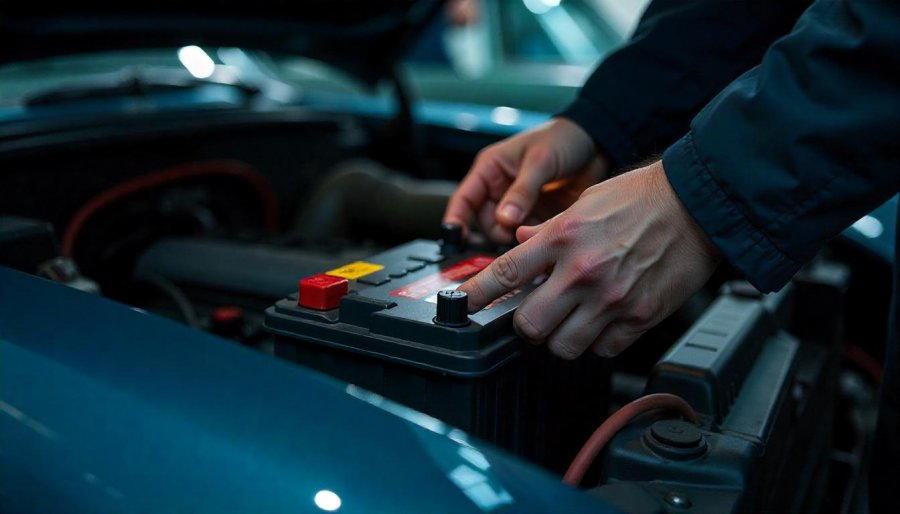
Establishing a routine for battery maintenance doesn’t have to be complicated or time-consuming. The key is consistency. When you integrate simple checks into your regular schedule, you catch potential issues early, preventing those frustrating roadside emergencies. Choose a specific day each month—perhaps the first weekend or a midweek evening—and set a reminder. Making these checks a habit ensures they become second nature rather than an afterthought.
Start your routine with a quick visual inspection. Look closely at the battery and its terminals for any signs of corrosion—those white, greenish, or bluish deposits that tend to accumulate over time. Corrosion creates a barrier, hindering proper electrical contact and making your engine harder to start. If you spot any buildup, don’t ignore it. Gently clean the terminals using a soft brush dipped in a mixture of baking soda and water. This simple step restores good contact and can significantly improve your battery’s performance and reliability.
Next, check that the terminal clamps are tight. Loose connections are one of the most common causes of starting problems, especially during colder months when batteries are more vulnerable. Use a wrench to gently tighten the clamps if they feel loose—just enough to ensure a snug fit. Properly secured connections help maintain a steady electrical flow, which is essential for reliable starts and smooth operation. Making this a regular part of your maintenance routine prevents many surprises and keeps your vehicle running smoothly.
If your battery is accessible for fluid checks, carefully remove the fill caps and examine the electrolyte level inside. In batteries that aren’t sealed, maintaining the right fluid level is crucial. If the electrolyte is low, add distilled water—never tap water—to bring it up to the recommended mark. Keeping the electrolyte within proper levels helps prevent internal corrosion and extends the battery’s lifespan. Watch for any swelling, leaks, or cracks around the case, as these can be signs of internal damage. Addressing fluid levels early can save your battery from premature failure and costly repairs.
Monitoring your battery’s voltage with a multimeter provides a quick, reliable way to assess its health. With the engine off, a healthy, fully charged battery should read around 12.6 volts. If your readings are consistently below 12.4 volts, it signals that the battery is weakening and may need replacing soon. Regularly checking the voltage helps you stay ahead of potential problems, giving you time to plan repairs or replacements before the battery leaves you stranded. It’s a simple step that can save you a lot of inconvenience.
Beyond technical checks, pay attention to how your vehicle behaves during daily starts. Slow cranking, flickering headlights, or dashboard dimming aren’t just minor issues—they’re warning signs that your battery might be nearing the end of its life. When you notice these symptoms, don’t ignore them. Take action—clean the terminals, tighten the connections, or replace the battery if necessary. Recognizing these early signs and responding promptly can prevent inconvenient breakdowns and keep your vehicle reliable.
Incorporating these steps into your monthly routine takes only a few minutes but offers big benefits. Consistency turns routine inspections into a safeguard that keeps your vehicle dependable. Over time, these habits become second nature, helping you identify issues early and avoid surprises on the road. By making battery maintenance part of your regular car care, you’re investing in peace of mind and vehicle longevity. A little effort now translates into fewer breakdowns, lower repair costs, and smoother drives in the long run.