Few moments in life encapsulate pure joy like a dog’s delighted walk through lush parks or serene trails, where senses come alive and bonds deepen. These routines are more than physical activity—they’re vital for mental stimulation, emotional connection, and overall well-being. But what makes these simple outings so profoundly meaningful? Is it the freedom to sniff, explore, and move at their own pace, or the shared trust cultivated between owner and pet? As outdoor spaces evolve and technology enhances safety and engagement, the future of dog walks promises to transform ordinary routines into enriching adventures filled with discovery. Tuning into a dog’s cues and environment can turn a simple walk into a joyful journey that nurtures confidence and curiosity. Are we truly appreciating these fleeting yet profound moments of companionship and happiness, or are we missing the deeper connection that makes every walk a treasured ritual?
The Heartfelt Joy of Outdoor Dog Walks
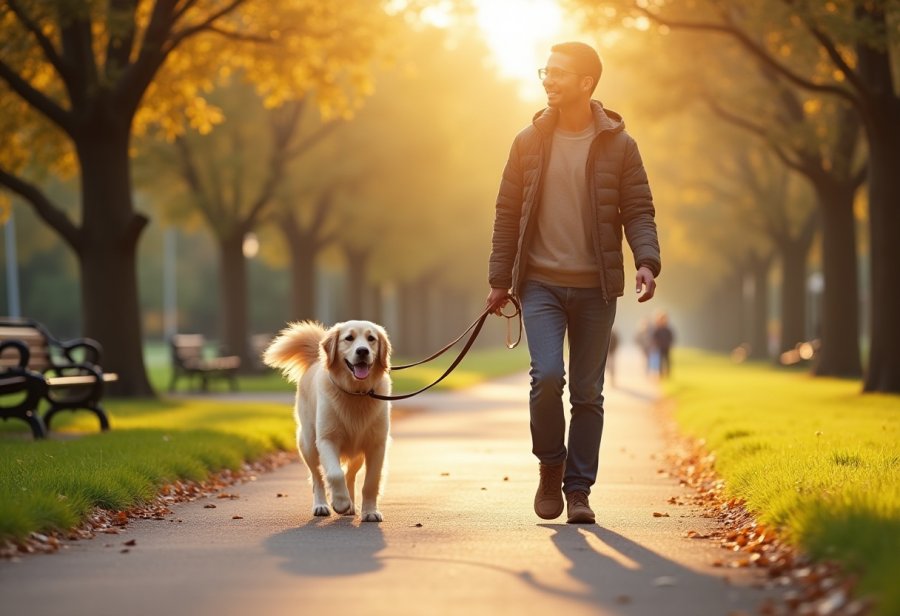
Few moments in life feel as simple and joyful as a dog on a sunny walk with their favorite human. These outdoor outings aren’t just about getting from one place to another; they’re a vital part of a dog’s happiness and well-being. When a dog is out in nature, they engage all their senses—sniffing new scents, observing different sights, and listening to a variety of sounds. These experiences keep their minds sharp and curious, providing mental stimulation that’s just as important as physical exercise.
For owners, walks offer more than a chance for their dog to stretch their legs. They’re opportunities to deepen the bond, sharing quiet moments of trust and affection amid natural surroundings. Each leisurely step and sniff creates a shared experience that builds mutual understanding and connection. Over time, these routines become treasured rituals, strengthening the relationship between you and your dog.
Beyond emotional benefits, outdoor walks are essential for a dog’s physical health. Regular outings help prevent obesity, build muscle tone, and improve cardiovascular health. But their value goes even deeper—these walks serve as a mental reset, offering variety and novelty to prevent boredom and behavioral issues. When dogs are both physically active and mentally stimulated, they tend to be more balanced, happier, and more content at home.
These simple routines also give owners a chance to unwind and enjoy nature themselves. Watching a dog explore freely, tail wagging and eyes bright with curiosity, reminds us that the best moments often come in the quiet and uncomplicated. Approaching walks with patience and attentiveness turns routine into a meaningful experience, nurturing trust and love.
The key to a joyful walk lies in allowing dogs to sniff, explore, and move at their own pace—all while feeling safe and unrestrained. Staying relaxed and present helps set a positive tone, making the outing more enjoyable for everyone. Comfortable equipment, pleasant weather, and varied routes all contribute to creating moments of happiness that both dog and owner will cherish. Ultimately, these small shared pleasures become the foundation of a strong, loving bond.
Recognizing the importance of these outdoor experiences helps us appreciate their true value. Each walk offers a chance to reconnect, explore, and simply enjoy each other’s company. When we approach these routines with awareness and patience, they turn into meaningful rituals that enrich our lives and our dogs’ lives in ways that go far beyond physical exercise. It’s in these simple moments that the profound joy of canine companionship truly shines.
Unlocking the Secrets to Canine Happiness
A dog’s happiness during outdoor walks hinges on feeling safe, mentally engaged, and free to explore. When a dog perceives its environment as secure, relaxation naturally follows. Signs of this comfort include wagging tails, calm body language, and alert, attentive eyes. These cues show that your dog trusts you and feels at ease, laying the groundwork for a joyful experience that’s rooted in confidence.
Mental stimulation is just as crucial as physical activity. Dogs thrive when they’re curious—sniffing new scents, observing different sights, and listening to a variety of sounds. Environments rich in sensory input, like parks or wooded trails, make walks more exciting and fulfilling. When dogs are eager to explore their surroundings, it indicates they’re mentally stimulated and genuinely happy.
Environmental comfort also plays a significant role in canine joy. Good weather, gentle breezes, and shaded spots can lift a dog’s mood, encouraging playful and relaxed behavior. Conversely, extreme heat or cold can cause discomfort or stress. Choosing the right time and place for each walk helps ensure your dog remains comfortable and eager to venture out again.
Paying close attention to body language helps you gauge your dog’s emotional state. A wagging tail, bright eyes, and relaxed facial expressions usually signal contentment. If your dog is sniffing enthusiastically or following their nose with curiosity, they’re enjoying the moment. Conversely, signs of stress or hesitation, like tucked tail or tense posture, suggest it’s time to take a break or adjust the environment.
Creating positive associations during walks builds confidence and trust. When dogs discover new scents or enjoy playful moments, they associate outdoor time with good feelings. This reinforcement encourages them to look forward to walks rather than see them as chores, fostering a sense of adventure and security in new environments.
Different environments influence your dog’s happiness uniquely. Wide-open spaces like parks give them room to run and stretch, boosting their spirits. Forest trails rich with scents and textures provide sensory delights, while urban settings challenge them with new sights and sounds. Matching the environment to your dog’s personality and preferences makes each outing more engaging and rewarding.
Understanding what makes a dog happy outdoors involves tuning into their instincts and cues. Dogs are naturally curious and thrive on mental and physical engagement. Allowing them to sniff, explore, and move freely taps into their genuine sources of joy. Recognizing these signals and respecting their boundaries creates a trusting, joyful experience that keeps your dog eager for each walk.
Crafting Memorable and Joyful Walks
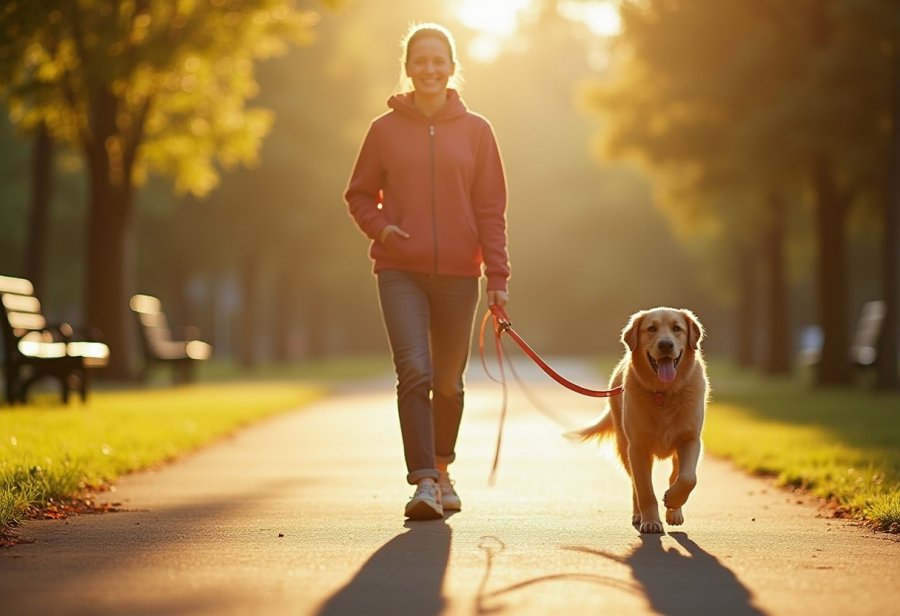
Turning a routine walk into a joyful experience for your dog starts with choosing environments that naturally stimulate their senses—think lush parks, wooded trails, or open fields where they can sniff, explore, and move freely. Allowing plenty of time for investigation and maintaining a relaxed pace helps your dog feel unhurried and curious. Pausing occasionally to let them enjoy new scents or catch their breath encourages calm, mindful exploration that boosts their happiness.
Your attitude during the walk is just as important as the route you take. Staying calm, positive, and attentive sets a reassuring tone. Use gentle praise and treats to reinforce good behaviors like walking nicely on a loose leash or exploring calmly. These small gestures build trust and make your dog eager to discover new things, creating a positive feedback loop that deepens your bond.
Adding variety to your routes keeps things fresh and engaging. Explore different parks, change paths, or visit new trails to prevent boredom and stimulate your dog’s mind. Incorporating playful activities like fetch or scent games along the way transforms a simple walk into an adventure, helping your dog burn energy and sharpen instincts while making the outing more memorable.
Pay close attention to your dog’s cues throughout the walk. If they seem hesitant or distracted, gently redirect their focus with treats or kind words. Recognize when they need a break for hydration or rest, especially on warm days. Respecting their limits ensures the experience stays positive and prevents exhaustion or frustration, so your dog looks forward to walks rather than dreading them.
Make the environment itself a source of discovery. Notice the details around you—fresh grass, blooming flowers, interesting textures, or bird sounds—and encourage your dog to sniff and listen. This sensory-rich approach turns a routine walk into a journey of exploration, keeping your dog mentally engaged and happy. Responding gently to hesitation and allowing them to move at their own pace builds trust and confidence.
Every dog is different, so tailor your approach to suit their personality and preferences. Some thrive on lots of activity and new sights, while others prefer calmer, familiar routes. Observing their responses helps you adjust the pace, route, and activities to make each walk a personalized, joyful experience. When your dog feels safe and engaged, outdoor outings become treasured moments of connection and happiness for both of you.
Transforming Routine into Enriching Adventures
Turning an ordinary walk into a truly enriching experience for your dog doesn’t require elaborate planning—just a mindful approach and a bit of creativity. Start by selecting environments that naturally stimulate your dog’s senses, like lush parks, wooded trails, or open fields. These spaces give your dog the freedom to sniff, explore, and move at their own pace, which is key to making the walk enjoyable and fulfilling.
Keeping a relaxed, unhurried pace allows your dog to investigate their surroundings without feeling rushed. Giving them time to pause and sniff at interesting scents or textures turns the walk into a sensory adventure. It also encourages calm exploration, which can reduce stress and heighten their overall happiness. Your calm presence reassures your dog, making the experience more positive and bonding.
Your attitude during the walk plays a crucial role. Approaching each outing with patience, positivity, and attentiveness creates a safe environment where your dog feels comfortable and eager to explore. Use gentle praise and treats to reinforce good behavior—like walking politely or calmly investigating new sights. These small gestures help build trust and make your dog more enthusiastic about future walks.
Variation is another essential ingredient. Changing your routes, exploring new parks, or visiting different trails keeps things interesting for your dog. Incorporate playful activities like fetch, scent games, or simple tricks along the way. These activities turn routine walks into mini-adventures, providing both physical exercise and mental stimulation that keep your dog engaged and eager.
Pay close attention to your dog’s cues throughout the outing. If they seem hesitant or distracted, redirect their focus with a treat or encouraging words. Recognize when they need a break to hydrate or rest, especially on warm days. Respecting their limits ensures they associate walks with positive experiences, preventing exhaustion and frustration.
Make the environment itself a source of discovery. Point out interesting sights, sounds, or textures—like blooming flowers, birdsong, or rustling leaves—and encourage your dog to sniff and listen. This sensory-rich approach turns each walk into a journey of curiosity and learning, deepening your dog’s engagement and joy.
Every dog is unique, so tailor your outings to suit their personality and preferences. Some may thrive on energetic exploration, while others prefer calmer, more predictable routes. Observing their responses and adjusting accordingly creates a personalized experience that keeps your dog excited for each walk. When they feel safe, stimulated, and loved, outdoor walks become treasured moments that strengthen your bond and enrich their happiness.
Embracing the Future of Dog Walking Innovation
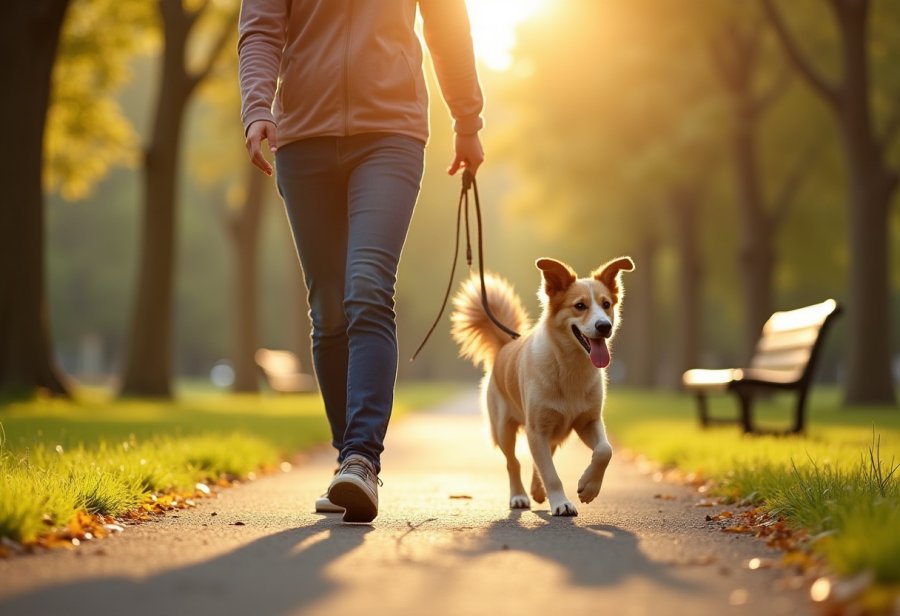
Looking ahead, the future of dog walks is becoming more dynamic and innovative, driven by new technology and evolving community spaces. Smart collars and GPS devices now allow owners to monitor their dog’s activity, health, and safety in real time, making outdoor adventures safer and more engaging. These tools help ensure your dog gets enough exercise while giving you peace of mind, even when you’re not right beside them. Apps that suggest new routes, track walks, and connect local dog communities are transforming solo strolls into social, stimulating experiences that benefit both mind and body.
At the same time, urban parks and neighborhoods are stepping up with more pet-friendly features. Shaded pathways, agility zones, and natural trails are designed to make outdoor spaces more accessible and enriching for dogs. These environments go beyond basic exercise, offering a sensory playground rich with textures, sounds, and smells. They turn routine walks into opportunities for mental stimulation and discovery, helping dogs develop confidence and curiosity in safe, thoughtfully designed settings.
This shift toward intentional outdoor spaces and tech integrations encourages owners to rethink their approach to daily walks. Instead of just covering ground, many are now incorporating playful activities, training exercises, or scent work that deepen the connection with their pets. These enriched routines foster trust, reduce anxiety, and promote happiness, making each walk a meaningful part of a dog’s development and well-being.
Keeping informed about these emerging trends enables owners to make the most of every outing. Resources like pet care blogs, local workshops, and community groups share tips on new tools, safety practices, and creative routes. Embracing these innovations allows you to tailor outdoor experiences to your dog’s unique needs and personality, turning simple walks into personalized adventures filled with discovery and joy.
Looking further into the future, outdoor canine activities promise to become more multi-sensory and connected. Technology, community efforts, and thoughtful design will continue to merge, creating environments where dogs can explore freely while owners feel confident and engaged. These developments will foster a deeper bond, enriching the daily routine with moments of curiosity, trust, and shared happiness. In this evolving landscape, every walk can be a new chapter of discovery, connection, and joy for both dogs and their owners.