Learning to ride a bike is more than a childhood milestone—it’s a profound journey of courage, independence, and family bonds. While many celebrate the triumph of balancing and pedaling, underlying fears of falling often overshadow the joy of freedom. Does overcoming this fear define true growth? The process teaches resilience, patience, and trust, as children navigate wobbling starts and inevitable tumbles, supported by nurturing families and community programs that foster confidence at every step. Today’s methods blend tradition with innovation—balance bikes, safety gear, and digital tools—making learning safer and more engaging than ever. Beyond physical skills, bike riding becomes a catalyst for emotional development: boosting self-esteem, encouraging social interactions, and expanding horizons. Every fall, every triumphant ride, deepens a child’s ability to face challenges with grit. Are these moments not the true essence of childhood growth—where fear meets perseverance to shape lifelong resilience?
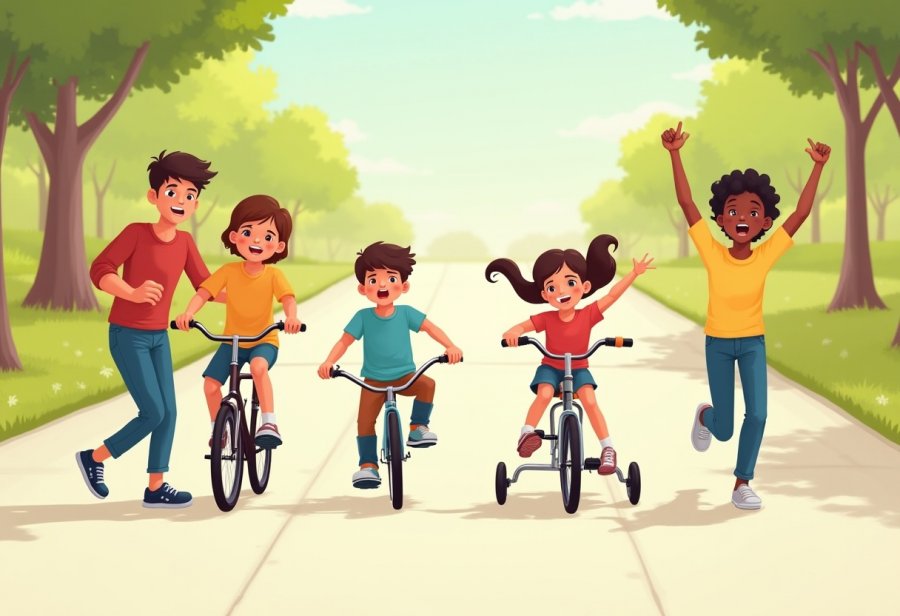
The Emotional Journey of Learning to Ride: From Nerves to Triumph
Learning to ride a bike is one of those childhood milestones that sticks with us forever. It’s a moment filled with a mix of nerves, excitement, and the thrill of doing something new. From those shaky first attempts to finally balancing on two wheels, every step is a small adventure. For many families, it becomes a shared story—one marked by patience, encouragement, and a few inevitable falls. Yet, beneath the physical act lies a deeper emotional significance: the emergence of independence and confidence.
Watching a child navigate their first bike ride often feels like witnessing growth in real time. The wobbling, the tentative pedaling, and the occasional tumble are all part of a vital learning process. Each fall teaches resilience, showing that setbacks are just stepping stones toward mastery. It’s a lesson in perseverance that extends far beyond the bike itself, helping children develop patience and a growth mindset that will serve them throughout life.
Family support plays a critical role in turning these moments into confidence-building experiences. Whether parents are running alongside, steadying the seat, or simply offering words of reassurance, their presence creates a safe space for trial and error. That sense of security encourages kids to try again after every wobble, fostering a sense of trust in their abilities. These shared efforts aren’t just about learning to ride—they strengthen bonds and create lasting memories of perseverance and triumph.
The emotional journey of learning to bike also involves overcoming fear. Many children are initially hesitant, wary of falling or failing in front of others. Yet, as they gradually gain control, those fears often give way to joy and pride. The moment they realize they can ride independently sparks a feeling of accomplishment that’s hard to match. It’s not just about physical skill but about conquering anxieties and trusting their own strength.
This process marks a key step toward greater independence. Once children start riding confidently, they begin exploring their surroundings more freely. Whether it’s riding to a friend’s house or cruising through the park, these small acts of autonomy boost their self-reliance and problem-solving skills. Learning to ride isn’t just about the bike—it’s about discovering their capacity to face challenges and take control of their world.
In the end, mastering the bike is about more than just transportation. It’s a rite of passage that helps shape a child’s emotional resilience and self-confidence. Every wobble, every fall, and every triumphant ride contributes to a deeper understanding: growth often comes with a few stumbles. And those stumbles make the achievement all the sweeter, laying the foundation for a lifetime of courage and independence.
Building Foundations: How Childhood Development and Family Support Shape New Skills
Learning to ride a bike is more than just mastering a new physical skill; it’s a pivotal moment in a child’s development. As children practice balancing and pedaling, they start trusting their abilities, which nurtures a sense of independence and self-confidence. Early successes, like steadying themselves on training wheels or managing a few unassisted pedal strokes, reinforce their belief in their capacity to learn and grow. These small achievements build a foundation for resilience that extends far beyond cycling.
Support from family plays a crucial role in this process. When parents or guardians cheer from the sidelines, offer gentle guidance, or simply provide reassurance, they create a safe environment for kids to take risks. Feeling supported encourages children to try again after falls or wobbling, helping them see setbacks as normal parts of learning rather than failures. This encouragement fosters a growth mindset, where persistence becomes a key ingredient for success.
Learning to ride also imparts important emotional lessons. Kids discover that mistakes and falls are temporary and part of the journey toward mastery. As they pick themselves up and try again, they develop patience and resilience—traits that will serve them in many other areas of life, from school challenges to social interactions. The process teaches them that perseverance can turn obstacles into stepping stones, cultivating a positive attitude toward future difficulties.
Beyond the physical aspect, riding a bike symbolizes growing independence. Once children gain confidence, they start exploring their surroundings more freely, whether riding to a friend’s house or cruising through local parks. These small acts of autonomy foster self-reliance and problem-solving skills, empowering children to navigate their world with greater confidence. Learning to ride is not just about mobility; it’s about discovering their ability to face challenges and take control.
This developmental milestone also influences social and emotional growth. As kids master cycling, they often join peers for bike rides or neighborhood adventures, expanding their social circles and building teamwork skills. Celebrating each other’s progress and encouraging one another along the way strengthens bonds and promotes a sense of belonging. These shared experiences boost self-esteem and teach children that persistence and camaraderie lead to shared success.
In essence, learning to ride a bike is a multifaceted journey that shapes a child’s emotional resilience and independence. The lessons learned—perseverance in the face of falls, trusting oneself, and supporting others—form a vital part of their growth. These foundational experiences remind us that setbacks are simply part of the process, and with patience and support, children can overcome fears and achieve their goals.
Today’s Approach to Riding: Combining Tradition with Innovation for Confident Learners
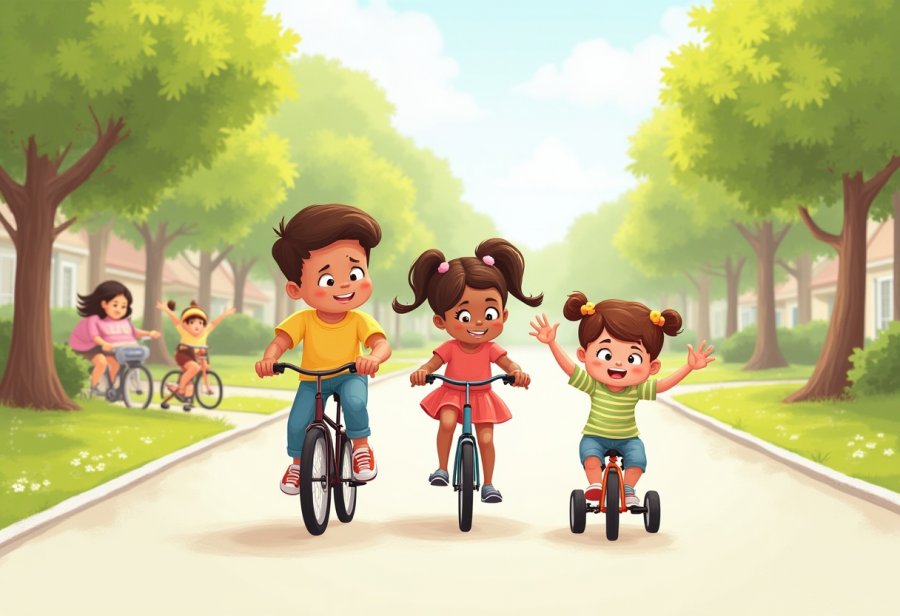
Today, learning to ride a bike combines time-tested methods with new approaches tailored to kids’ diverse needs. Many families start with balance bikes or training wheels, helping children develop a sense of balance and coordination without the pressure of pedaling right away. These tools offer a gentle introduction, allowing kids to build confidence gradually before transitioning to a pedal bike. Parents often encourage and supervise, creating a supportive environment where children can practice at their own pace, making the experience less intimidating.
In recent years, community programs and structured lessons have gained popularity for making learning to ride safer and more engaging. Local groups often organize group classes that teach the basics in a fun, social setting, helping kids feel more comfortable and motivated. Some innovations include adjustable bikes that grow with the child or safety apps that track progress and provide tips. These efforts aim to reduce anxiety and build a sense of achievement, especially for beginners.
Most children start in familiar, quiet spaces—driveways, parks, or quiet sidewalks—where they can practice balancing, steering, and pedaling without feeling overwhelmed. Supervised closely by parents or guardians, they get comfortable with the physical aspects of riding. As confidence grows, they gradually venture into busier streets or longer trails, which helps develop the skills needed for real-world cycling. This step-by-step approach keeps learning positive and stress-free.
Regional practices and cultural attitudes influence how children learn to ride. In many European countries, for example, balance bikes are introduced early, focusing on coordination before pedals. In North America, the common method involves training wheels and gradual independence. Despite differences, the goal remains the same: fostering confidence through a safe, encouraging process that adapts to each child’s comfort level.
Technological advances also shape today’s learning experience. Lightweight bikes, comfortable safety gear, and instructional tools like visual guides or virtual coaching make riding more accessible. These innovations help reduce fears and make the journey more enjoyable, especially for hesitant or anxious kids. The focus is on combining safety, fun, and patience to ensure children develop a love for cycling without unnecessary stress.
Overall, the landscape of learning to ride reflects a blend of tradition and innovation. Whether through family support, community programs, or new gear, the emphasis is on making riding safe, fun, and confidence-building. This approach keeps young riders motivated and prepares them for a lifetime of cycling adventures, turning the simple act of learning into a meaningful step toward independence.
Investing in Safety and Equipment: Navigating Costs for a Seamless Learning Experience
Learning to ride a bike involves a range of costs that families should consider to make the experience smooth and enjoyable. The most noticeable expense is the bike itself. Beginner models typically range from $100 to $300, but investing a bit more in a durable, well-made bike pays off in the long run, as it can withstand rough handling and last through years of use. Cheaper bikes might save money upfront but often require early replacements, which can add up over time.
Safety gear is equally essential and should never be overlooked. A good helmet, which is vital for protecting against falls, usually costs between $30 and $70. Knee and elbow pads, which provide extra safety, add another $20 to $50. While these costs might seem high initially, they are small compared to the peace of mind and injury prevention they offer. Quality safety gear encourages kids to wear it consistently, fostering good habits from the start.
Additional accessories like training wheels, bike locks, and reflective gear also add to the overall budget. Training wheels help transition from balance bikes to pedal bikes, while reflective gear and lights improve visibility—especially during dusk or dawn rides. Shopping during sales or exploring secondhand markets can significantly lower expenses, making cycling accessible even for families on tighter budgets.
Choosing high-quality equipment can be a smart financial move. A sturdy, reliable bike that can handle frequent use reduces the need for early replacements, saving money over time. Reliable safety gear not only ensures safety but also increases the likelihood that children will wear it regularly, which is crucial for their protection. These investments support a safer and more confident learning experience.
For families with limited budgets, secondhand options and community programs offer excellent alternatives. Used bikes and safety gear in good condition can often be found at a fraction of retail prices, and local charities or community groups frequently distribute free or low-cost bikes and accessories. These resources help ensure that all children have the opportunity to learn without financial stress.
Being selective and thoughtful about spending on quality gear and equipment pays off. Durable bikes and safety accessories last longer and promote consistent use, which boosts confidence and safety. While upfront costs might seem significant, they are a worthwhile investment in a child’s enjoyment, safety, and long-term cycling habits.
In the end, balancing affordability with quality creates the best environment for kids to learn and grow. Smart spending ensures that children can focus on developing their skills and independence without unnecessary worries. Making well-informed choices about equipment helps turn the learning journey into a positive, memorable experience, laying the groundwork for a lifetime of cycling adventures.
Beyond the Bike: How Learning to Ride Shapes Daily Life, Confidence, and Family Bonds
Learning to ride a bike often transforms daily routines and strengthens family bonds in unexpected ways. When children gain confidence on two wheels, they start riding to school, friends’ houses, or the local park without needing constant supervision. This newfound independence lightens the load for parents and opens up more opportunities for children to explore on their own, fostering self-reliance from an early age.
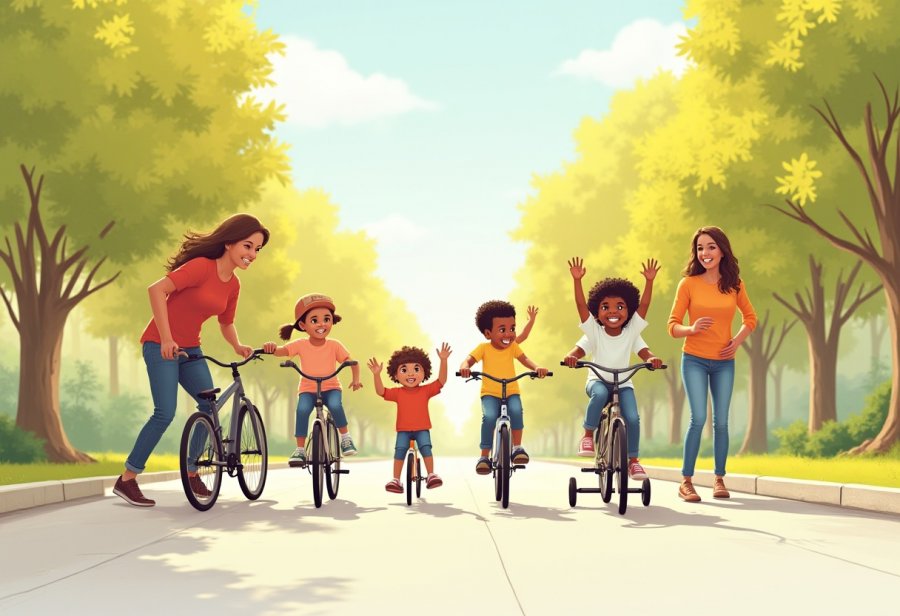
Shared riding experiences become powerful moments of connection. Family bike rides through neighborhood streets or scenic trails turn into memorable adventures—filled with laughter, encouragement, and shared pride. Watching a child master balancing and pedaling inspires a sense of achievement that echoes beyond the bike itself, creating a bond rooted in perseverance and mutual support. These rides often become a staple of family life, reinforcing trust and teamwork.
The lessons of resilience learned during bike training ripple into other areas of life. Kids quickly discover that falls and wobbles are just part of the process, not signs of failure. For example, a young rider who tumbles a few times but keeps trying builds patience and a growth mindset—traits that help them face challenges at school or in social settings with greater confidence. Parents’ reassurance and encouragement play a crucial role here, turning setbacks into stepping stones rather than obstacles.
Mastering cycling also broadens children’s social horizons. As they become more comfortable on their bikes, they naturally seek out peer rides or neighborhood meetups. These activities promote teamwork, sharing, and healthy competition, all while boosting self-esteem. Celebrating each other’s progress fosters a sense of community and belonging, making riding a shared joy rather than a solo endeavor.
Beyond practical skills, learning to ride influences a child’s emotional outlook. It nurtures independence, problem-solving, and resilience, shaping how they approach future challenges. Each successful ride builds confidence, and every fall becomes a lesson in perseverance. These small but significant experiences lay a foundation of courage and self-trust, equipping children with skills that extend well beyond the bike—turning a simple activity into a lifelong lesson in resilience and growth.