Underground street racing is more than just a high-speed thrill; it’s a deep-rooted culture of rebellion, brotherhood, and craftsmanship. From secret late-night meets in abandoned lots to meticulously customized cars, this scene fosters intense loyalty and trust among its members. How do racers forge bonds that transcend mere competition, relying on acts of support, secrecy, and shared risks? Despite persistent crackdowns and societal judgment, digital tools and evolving safety practices keep the scene resilient. As technology advances, so does the sophistication of car modifications and community organization—blending tradition with innovation. Will the future see underground racing shift toward sanctioned events or continue its covert evolution? What remains certain is that this culture’s core values—identity, loyalty, and unbreakable bonds—continue to fuel its enduring spirit, adapting yet resisting mainstream constraints, and ensuring its place as a powerful symbol of rebellion and resilience in urban life.
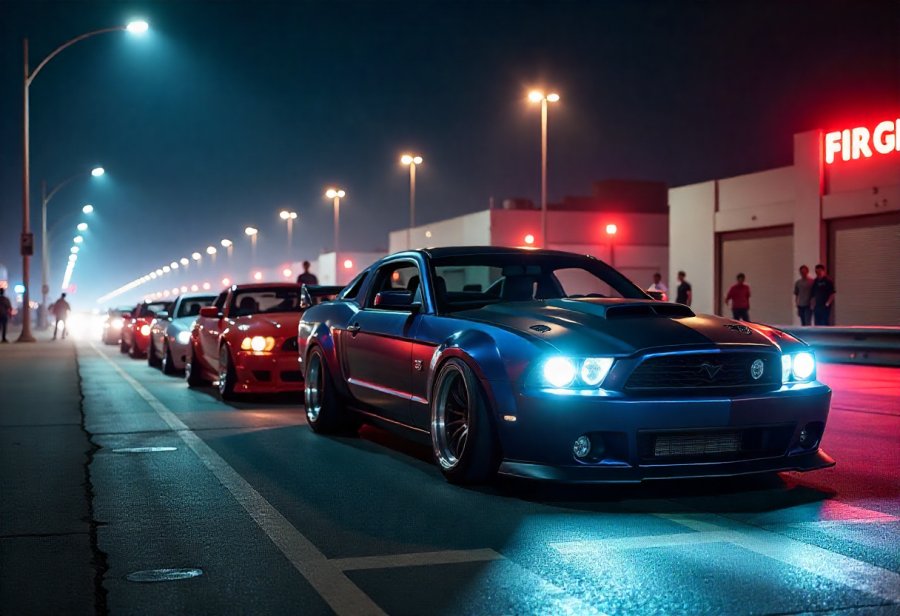
Underground Street Racing: A Rebellious Culture of Night and Loyalty
Underground street racing isn’t just about speed; it’s a vibrant element of urban culture rooted in rebellion, identity, and community. These races typically unfold late at night, in hidden spots like abandoned parking lots, quiet backstreets, or industrial zones, away from the watchful eyes of authorities. Over time, it’s evolved from casual meetups into a full-fledged subculture that symbolizes more than adrenaline—it’s a statement of freedom and defiance against societal norms.
At its core, this scene is driven by passion and a sense of belonging. Racers spend countless hours customizing their cars—transforming everyday vehicles into personal expressions of style and skill. Whether it’s a sleek tuner with a custom paint job or a muscle car with a roaring engine, these machines are badges of pride and loyalty. The act of modifying isn’t just about performance; it’s a social ritual that forges bonds and builds trust within crews.
Night racing creates an atmosphere of secrecy and camaraderie. Darkness offers a sense of exclusivity, making each race feel like a private club event. Drivers communicate through signals, shared knowledge, and silence during tense moments, forming a family-like connection that extends beyond the asphalt. Under the cover of night, friendships deepen, forged through shared risks and adrenaline-fueled experiences.
Loyalty acts as the glue holding these communities together. Racers support each other with repairs, share insider tips, and cover for teammates during police raids. These acts of support aren’t just helpful—they’re vital to maintaining the trust that keeps the scene alive. Respecting unspoken rules, like secrecy about race locations, helps preserve bonds and ensures the community’s resilience amid legal threats.
This underground scene also serves as a form of urban storytelling, shaping local culture and inspiring tales of resilience. For many, street racing offers a way to carve out identity within a city that often overlooks them. It’s a space where craftsmanship, loyalty, and brotherhood collide, creating a shared legacy that persists despite crackdowns and societal judgment.
While authorities continue to crack down, the scene’s spirit endures. Digital tools like social media and encrypted messaging keep racers connected and organized, helping the community adapt and thrive. Despite the risks, the passion for speed and connection keeps underground street racing alive—an unbreakable thread woven into the fabric of urban life.
Roots of Rebellion: The Origins and Cultural Growth of Street Racing
Underground street racing didn’t just spring up overnight; it has deep roots that stretch back decades, born from a mix of rebellion, passion, and a desire to carve out space outside mainstream motorsport. In its earliest days, racers gathered in secret spots like abandoned lots, quiet backroads, or industrial zones—places where police presence was minimal and the thrill of speed could unfold without interference. These clandestine races quickly grew beyond simple competitions into acts of defiance against societal norms and the restrictions of formal racing circuits.
As the scene evolved, so did its cultural significance. Car modification became a primary way for racers to express their identities. From turbocharged engines to eye-catching paint jobs, every detail told a story about its owner and their crew. These customized machines weren’t just about going fast—they symbolized pride, craftsmanship, and belonging. Tuning a car became more than a technical task; it became a social ritual that strengthened bonds and fostered trust among those who shared a common love for pushing limits.
Media, especially movies like the Fast and Furious franchise, played a major role in shaping underground racing’s image. These films romanticized the outlaw lifestyle, turning anonymous street racers into icons of rebellion and style. Music celebrating street life and speed further fueled its popularity, drawing in a new generation eager to challenge societal expectations. This exposure transformed underground racing from a hidden pastime into a cultural movement rooted in independence, craftsmanship, and resilience.
Over time, authorities cracked down on illegal races, but the scene proved adaptable. The rise of digital tools—social media, encrypted messaging, and video sharing—allowed racers to organize, share their skills, and showcase their machines while staying under the radar. Technological advancements in cars, like digital remapping and aerodynamic upgrades, kept the scene fresh and competitive. These innovations helped maintain the community’s vitality, even amid legal threats and societal scrutiny.
Today’s underground racing scene continues to blend its rebellious roots with modern safety and technology measures. Many groups now advocate for sanctioned events on private tracks, aiming to satisfy the craving for speed while minimizing risks to bystanders and participants. Car choices remain diverse, with Japanese imports like Nissan Skylines and Subaru WRXs alongside American muscle cars such as Mustangs and Chargers, all heavily customized to reflect individual style and skill. This ongoing evolution demonstrates how a culture rooted in defiance can adapt and thrive.
Despite the increased scrutiny, the core spirit of underground street racing endures. It remains a space for self-expression, brotherhood, and resilience—elements that transcend legality. Videos, online forums, and encrypted communication keep the community connected, ensuring the scene’s survival through shared passion and loyalty. The history of underground racing shows a culture that refuses to fade, constantly finding new ways to keep its legacy alive.
Locations for races have shifted to more remote or hidden spots, but the digital age means videos of these events often circulate online, sparking both admiration and controversy. This paradox of secrecy and exposure feeds the scene’s mystique, making it a symbol of rebellion that’s impossible to fully contain. As new generations take the wheel, the culture continues to evolve, blending tradition with innovation.
In the end, underground street racing’s roots are woven into the fabric of urban life. Its origins in defiance and independence have created a community that’s resilient and adaptable. From clandestine gatherings to global online networks, the scene’s cultural significance persists—fueling a movement that’s about more than just speed. It’s about identity, loyalty, and the unbreakable bonds forged through shared adrenaline and brotherhood.
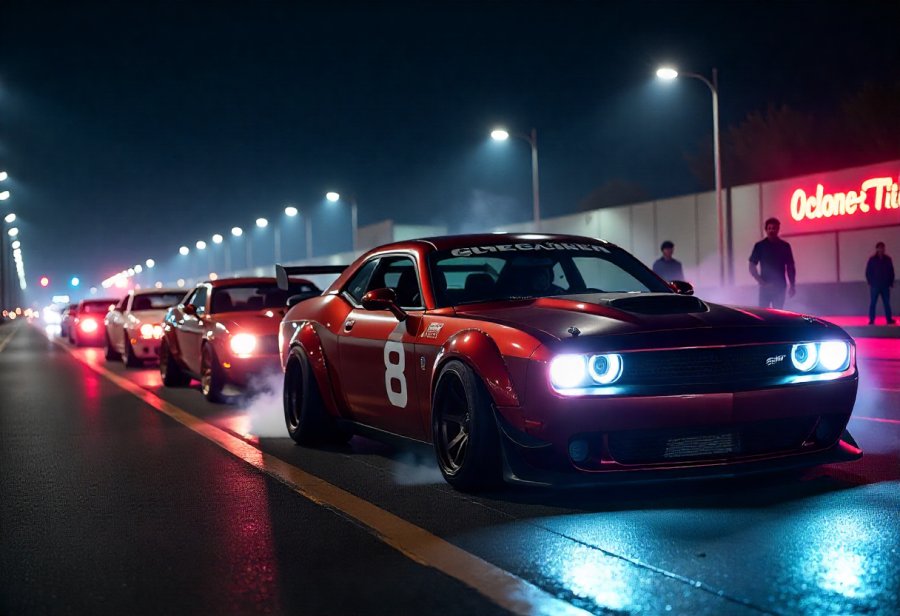
Modern Streets: How Technology and Attitudes Shape Today’s Racing Scene
Today, underground street racing continues to adapt alongside technological advances and changing cultural attitudes. Racers leverage social media platforms and messaging apps to organize clandestine events, share footage, and build community—keeping the scene alive despite increased law enforcement scrutiny. These digital tools make coordinating races easier and safer, helping the culture thrive in an era of heightened regulation.
Car modifications have become more sophisticated, with digital ECU tuning, aerodynamic upgrades, and lightweight materials pushing performance to new heights. Many racers rely on advanced software to fine-tune their setups, transforming their vehicles into expressions of craftsmanship and loyalty. This level of customization not only boosts speed but also cements identity within crews, fostering a sense of pride and shared achievement.
While the rebellious spirit remains, there’s a noticeable shift toward safer practices. Some groups now push for organized events on private tracks or controlled environments, aiming to satisfy adrenaline needs while reducing risks to bystanders and participants. This move reflects a broader sense of responsibility, blending the thrill of racing with a commitment to safety without sacrificing the core values of loyalty and brotherhood.
The diversity of car choices persists, with Japanese imports like Nissan Skylines and Subaru WRXs still favored for their tuning potential, alongside American muscle cars such as Mustangs and Chargers. The focus on individual style and craftsmanship remains strong, with modifications tailored for both performance and visual flair. This ongoing innovation highlights how the scene continues to evolve while staying true to its roots of self-expression and community.
Despite crackdowns and societal pressures, underground racing endures because it offers what mainstream motorsport can’t—an authentic space for personal expression, loyalty, and adrenaline-fueled brotherhood. Online platforms and encrypted messaging keep communities connected, ensuring the scene’s resilience. As new generations take the wheel, underground racing remains a vital part of urban culture, blending tradition with modern innovation in a dynamic, ever-evolving landscape.
Brotherhood on the Asphalt: Building Trust and Loyalty in Racing Communities
Building trust and loyalty within underground racing communities doesn’t happen by chance; it’s built through consistent actions that demonstrate reliability and respect. Racers earn loyalty by supporting each other—helping with repairs, sharing tuning tips, or covering for teammates during police raids. These acts of backing one another aren’t just helpful; they form the foundation of a brotherhood that’s stronger than any car or race result. When members see each other consistently showing up and sticking together, trust naturally deepens.
Clear, honest communication is key to maintaining that trust. Sharing race locations selectively, setting mutual expectations about safety, and respecting each other’s boundaries prevent misunderstandings. Respecting unspoken rules—like keeping race spots secret or not revealing crew secrets—further cements bonds. These small gestures show that members value each other’s safety and reputation as much as winning, fostering a sense of shared responsibility.
Loyalty is also demonstrated in how racers handle tense moments or conflicts. Covering for a teammate during police checks or risking their own safety to ensure everyone gets home exemplifies true brotherhood. Putting the crew’s well-being above individual gains creates a culture rooted in mutual trust. When everyone knows they can count on each other, those bonds become the glue that holds the entire scene together, even when the stakes are high.
Trust can be fragile, especially when disagreements arise over modifications, race tactics, or perceived favoritism. Addressing conflicts privately and respectfully helps prevent fractures. Recognizing each member’s contributions and respecting their roles—even during disputes—strengthens the community rather than dividing it. These moments of understanding and compromise reinforce the shared values that keep crews united.
Ultimately, loyalty in underground racing is an ongoing effort. It’s about being dependable, communicating openly, and respecting each other’s limits. When trust and loyalty become core parts of the scene, they transform a group of racers into a resilient family. This brotherhood isn’t just about the thrill of the race—it’s about shared loyalty, support, and the unbreakable bonds that make the culture enduring, race after race.
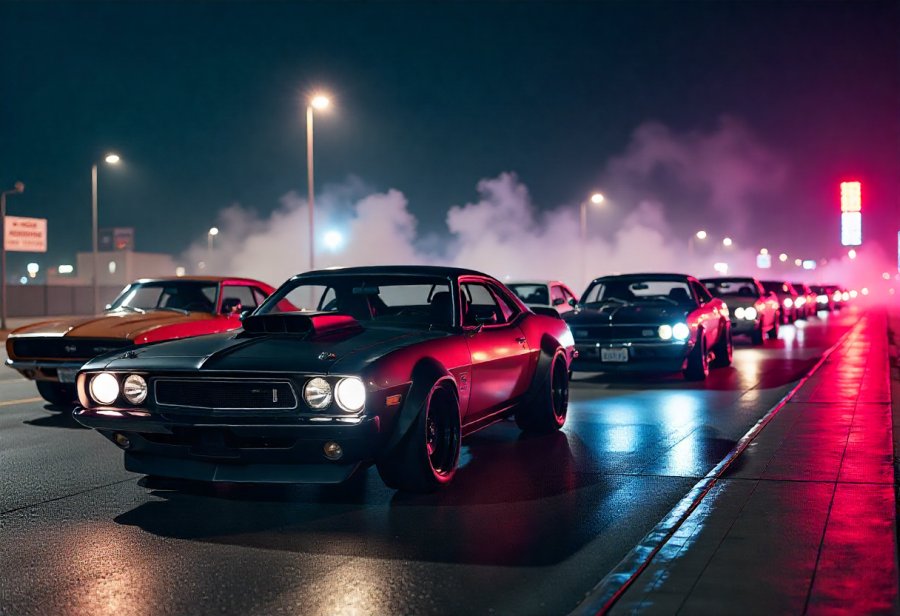
The Road Ahead: Future Trends and Changes in Underground Street Racing
The future of underground street racing is set to be shaped by rapid technological innovations and evolving attitudes toward safety and legality. Digital tools like encrypted messaging apps, social media platforms, and video-sharing sites will become even more central in organizing races discreetly and sharing highlights without drawing unwanted attention. These advancements help maintain the scene’s rebellious spirit while adapting to increased law enforcement efforts, ensuring racers stay connected and organized in a digital age.
At the same time, a growing segment of the community is pushing for safer, more regulated events. Organized races on private tracks or controlled environments are gaining traction, blending the thrill of illegal street racing with a responsibility to protect participants and bystanders. This shift reflects a broader awareness of the risks involved and a desire to preserve the culture by making it more sustainable, without sacrificing the brotherhood and adrenaline that define it.
Car technology will continue to push boundaries, with digital ECU tuning, aerodynamic enhancements, and lightweight materials becoming more accessible. These upgrades allow racers to fine-tune their vehicles for peak performance, turning their cars into dynamic expressions of craftsmanship and loyalty. As parts and software become easier to use, even newcomers can participate, fostering innovation and competition within the scene while strengthening bonds through shared effort and pride.
Despite growing scrutiny, the core rebellious spirit remains intact. Many enthusiasts see these technological and cultural shifts as ways to adapt rather than abandon their roots. Online communities, encrypted chats, and social media platforms help organize clandestine events and showcase their builds, extending brotherhood into digital spaces. This ability to evolve while maintaining the scene’s essence keeps underground racing resilient and relevant for new generations.
Locations for clandestine races will likely continue to shift to more remote or hidden spots, but the digital footprint of videos and photos shared online keeps the culture visible and controversial. This paradox of secrecy and exposure fuels fascination and debate, ensuring the scene remains a powerful symbol of rebellion that’s difficult to contain. As each new wave of racers takes the wheel, the culture will keep blending tradition with innovation, ensuring its vitality and enduring appeal.
Ultimately, underground street racing’s resilience lies in its ability to adapt while holding onto what makes it unique—self-expression, loyalty, and unbreakable bonds forged through adrenaline and brotherhood. As technology advances and societal perceptions shift, the scene will continue to find new ways to thrive, balancing legality and rebellion, tradition and progress. This ongoing evolution promises that underground racing will remain a vital part of urban culture, fueling passion and community for years to come.