In an era where communication can make or break a business, the power of customized telephony solutions is undeniable. Imagine transforming basic devices into strategic assets tailored precisely to your organization’s unique needs—streamlining workflows, boosting responsiveness, and elevating customer satisfaction. Grandstream’s innovative IP phones and cloud management platforms enable seamless scalability and remote configuration, ensuring your system evolves with your growth. But as technology advances rapidly—with AI, 5G, and IoT at the forefront—are your current systems prepared for the future? The journey from analog switches to intelligent, interconnected ecosystems underscores an ongoing evolution that promises smarter, more responsive communication. Yet, challenges around security, compatibility, and network optimization remain. The question is: will your organization harness these innovations to stay ahead or risk falling behind in a hyper-connected world? The future of telephony is personalized, agile, and driven by strategic vision—are you ready to lead?
Transforming Communication: How Customized Telephony Elevates Business Efficiency
In today’s fast-paced business world, clear and reliable communication can make or break an organization. Companies need systems that connect teams effortlessly, whether employees are working from the office, home, or on the move. Customized telephony solutions turn basic communication tools into strategic assets tailored specifically to each business’s unique needs. Instead of relying on generic setups, personalized systems are designed to match workflows, customer expectations, and remote work arrangements, helping reduce misunderstandings and speed up responses.
The power of tailored telephony lies in its flexibility. Modern solutions allow organizations to deploy different devices, set up advanced features, and integrate seamlessly with existing platforms like customer relationship management (CRM) tools. Features such as automatic call routing and dedicated lines ensure customers reach the right team members without delay, improving satisfaction and internal efficiency. When communication systems are customized, businesses can streamline daily operations and create a more cohesive, responsive environment.
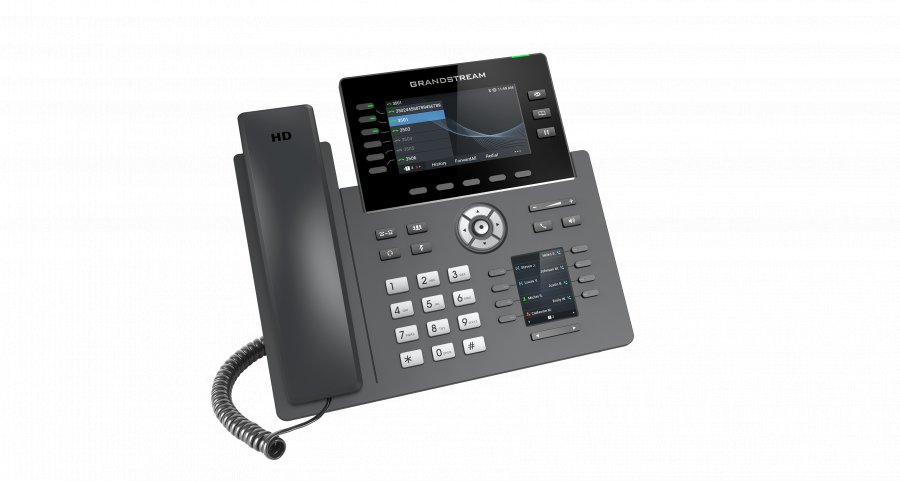
Technology has made this level of customization more accessible than ever. Devices like Grandstream’s IP phones are built for scalability, offering features that can be tailored to specific roles or departments. Some users benefit from quick access buttons for frequent contacts, while others require high-definition audio or support for multiple lines. By combining these devices with cloud management platforms, organizations can remotely configure and monitor their systems, simplifying deployment and ongoing maintenance. This adaptability allows businesses to evolve their communication environment swiftly as they grow.
Designing a personalized telephony setup requires understanding your workflows and anticipating future needs. It’s about creating a system that supports current operations while being flexible enough to accommodate new users, locations, or features without causing disruptions. Taking a proactive approach ensures your communication infrastructure remains a competitive advantage, rather than an obstacle, as your organization expands and adapts.
User experience plays a crucial role in the success of customized telephony. Proper training and ongoing support help staff navigate new devices and features confidently. When employees feel comfortable using their tools, productivity and morale naturally improve. Regular feedback sessions enable continuous refinement, ensuring the system stays aligned with evolving business needs. This ongoing support transforms a simple upgrade into a long-term investment in operational excellence.
Finally, network optimization is essential for maintaining high call quality and reliable communication. Ensuring sufficient bandwidth, implementing Quality of Service (QoS) settings, and segmenting voice traffic prevent disruptions and ensure professional audio clarity. As organizations adopt cloud-managed platforms and advanced devices like Grandstream’s IP phones, a robust network infrastructure becomes even more critical. Proper planning and monitoring keep communication channels open and effective, supporting a seamless, personalized telephony experience that drives business success.
From Analog to AI: The Evolution and Milestones of Telephony Technology
Telephony has come a long way since its birth in the late 19th century, fundamentally transforming how humans communicate across distances. Alexander Graham Bell’s invention of the telephone marked the beginning of a new era, replacing written messages and face-to-face conversations with instant voice contact. Early systems relied on analog technology, with physical switches and manual operators connecting calls—a labor-intensive process that limited scalability but laid the groundwork for future innovation.
As technology advanced into the mid-20th century, digital switching systems replaced manual exchanges, automating call connections and significantly increasing capacity. These electronic networks made telephony more reliable and manageable, enabling businesses and households to handle more calls simultaneously. With features like call forwarding, voicemail, and caller ID becoming standard, telephony evolved from a simple utility into a versatile communication platform.
The real turning point came with the rise of IP-based telephony, or VoIP, which began gaining traction in the late 20th century. By transmitting voice over the internet, VoIP integrated voice, video, and messaging into unified systems, drastically reducing costs and enhancing functionality. This shift allowed organizations to customize their communication setups extensively, supporting features like video conferencing, presence indicators, and mobile integration—all of which support modern, flexible workflows.
These technological leaps have been driven by core principles such as scalability, flexibility, and seamless integration with other business tools. Companies can now grow their systems without overhauling infrastructure, adding users or features on the fly. Connecting telephony to customer relationship management (CRM) systems transforms it from a basic tool into a strategic asset, boosting productivity and customer engagement. This evolution reflects a move from simple voice transmission to interconnected, intelligent communication ecosystems.
Today’s telephony solutions build upon these milestones, embracing cloud management, artificial intelligence, and 5G networks. Cloud platforms enable remote configuration and management, making deployment faster and more adaptable. Devices like Grandstream’s IP phones exemplify this trend—they are affordable, feature-rich, and designed for easy scalability, supporting high-quality voice and video calls across diverse environments. These innovations help organizations stay agile in an increasingly connected world.
Despite the progress, challenges remain. Compatibility issues, security concerns, and the need for continuous network optimization are critical considerations. Maintaining high call quality across varied network conditions requires careful planning, including implementing Quality of Service (QoS) settings and network segmentation. As telephony systems become more sophisticated, ensuring a robust infrastructure becomes essential to support the full range of functionalities.
Understanding this history highlights how far telephony has advanced and underscores its ongoing evolution. Each milestone has expanded capabilities, from manual switches to intelligent, cloud-managed platforms that support real-time analytics and automation. Recognizing these developments helps organizations appreciate the potential of current and future innovations, ensuring they stay ahead in a competitive digital landscape.

Navigating Today’s Telephony Landscape: Innovative Solutions for Modern Business
The landscape of telephony today is a blend of traditional hardware and cutting-edge digital solutions, giving businesses a spectrum of options to suit their needs. While some organizations still operate legacy systems, the shift toward IP-based platforms is accelerating, driven by the demand for greater flexibility and scalability. Cloud-managed telephony systems are leading this change, offering centralized control that simplifies deployment, updates, and maintenance—especially for companies with multiple locations or remote teams. This approach reduces reliance on on-site IT support and ensures consistent communication across all channels.
Devices like Grandstream’s IP phones are at the forefront of this transition. Known for their affordability and feature-rich design, these phones integrate seamlessly with various platforms, supporting high-quality voice, video, and messaging. They are suitable for businesses of all sizes, from small offices to large enterprises, and are easily managed remotely through cloud platforms. This ease of management makes scaling up or down straightforward, allowing organizations to adapt quickly to changing demands without major disruptions.
A key trend shaping today’s telephony landscape is the move toward flexible, easy-to-manage systems. Cloud-based solutions enable rapid expansion or contraction, supporting growth and remote workforces without extensive infrastructure changes. Hardware like Grandstream’s IP series simplifies deployment across multiple locations, providing consistent call quality and customization options. This agility is vital in a fast-paced business environment where adapting to new operational needs swiftly can be a competitive advantage.
Advancements in features such as AI-powered analytics, intelligent call routing, and real-time monitoring further enhance operational efficiency. Voice and data now traverse IP networks, creating interconnected systems that integrate with customer relationship management (CRM) tools and other business applications. These innovations turn telephony from a basic utility into a strategic asset that supports customer engagement, productivity, and data-driven decision-making.
However, the rapid evolution introduces challenges, including ensuring compatibility between hardware and software, maintaining security, and optimizing network infrastructure. To deliver high-quality, professional call experiences, organizations must invest in robust network design—implementing Quality of Service (QoS), segmenting voice traffic, and monitoring performance continuously. These measures are essential to prevent disruptions and preserve the reliability that modern communication demands.
Today’s telephony solutions are all about balancing reliability with innovation. Cloud management, scalable devices, and integrated features empower organizations to meet current needs while preparing for future growth. As new technologies emerge, the focus remains on building secure, flexible, and user-friendly environments. This dynamic landscape ensures that telephony continues to evolve into a crucial driver of business success in an increasingly digital, connected world.
Strategic Communication: Implementing Effective Telephony for Growth and Success
Implementing effective communication strategies requires more than just installing new devices or software; it demands a mindset focused on continuous adaptation, user-centric design, and strategic customization. Leveraging tools like Grandstream’s IP phones and cloud management platforms enables organizations to tailor their systems to specific workflows, boosting efficiency and responsiveness. Setting up intelligent call routing ensures customers reach the right team members quickly, while integrating telephony with customer relationship management (CRM) systems streamlines interactions and reduces manual effort.
Personalization plays a vital role in maximizing the value of telephony systems. Customizable features such as programmable keys, speed dial buttons, and voicemail options allow staff to navigate their tasks effortlessly. When employees can modify their tools to fit their roles, they experience less frustration and perform more effectively. This tailored approach fosters a seamless communication environment where users feel empowered and engaged.
Scaling solutions to match business growth is essential. Start by understanding current operational needs and future expansion plans. Cloud management tools make it easy to add users, locations, or features without disrupting existing workflows. This flexibility ensures your communication environment evolves alongside your organization, supporting agility and long-term success.
Providing thorough training and ongoing support is critical. Introducing new devices or features without proper education can lead to underutilization and confusion. Investing in user guides, hands-on training, and dedicated support channels helps staff maximize their tools. Regular feedback sessions also enable continuous refinement, ensuring the system remains aligned with changing needs and that employees feel confident in using new technologies.
Call quality and user experience depend heavily on both hardware and network infrastructure. Ensuring sufficient bandwidth, implementing Quality of Service (QoS) settings, and segmenting voice traffic are key steps to maintain clear, professional calls. Regular firmware updates and network monitoring keep devices functioning optimally, preventing disruptions that could hamper productivity or customer satisfaction.
Strategic integration enhances the overall effectiveness of your telephony environment. Gradually connecting new hardware like Grandstream’s IP phones to existing infrastructure minimizes downtime and costs. This phased approach allows your team to adopt new features smoothly, ensuring stability while expanding capabilities. Continuous evaluation of workflows and technology ensures your communication setup remains efficient and future-ready.
Fostering a culture of ongoing improvement encourages your team to explore new features and industry trends. Regular reviews of workflows, feedback collection, and staying informed about technological advances maximize your telephony system’s potential. This proactive mindset transforms communication from a routine function into a strategic asset that supports growth and innovation.
By adopting these principles—personalization, scalability, support, and integration—businesses can extract maximum value from their telephony systems. Effective strategies not only improve daily operations but also prepare organizations to adapt swiftly to future technological shifts. This approach ensures your communication infrastructure remains a reliable, flexible foundation that drives success in an increasingly connected, digital world.

Future Horizons: Embracing AI, 5G, and IoT in Customized Telephony Solutions
Looking ahead, the future of customized telephony solutions is poised to integrate emerging technologies like AI, 5G, and IoT, creating smarter and more responsive communication environments. These advancements will enable systems to anticipate user needs, optimize call routing, and seamlessly connect with a wide range of business tools. Cloud platforms will become even more streamlined, making deployment and management effortless and scalable across multiple locations or remote teams. This agility will be crucial as organizations seek to stay competitive in a rapidly evolving digital landscape.
Device hardware will continue to evolve, with more intuitive IP phones and unified interfaces that enhance user experience. Features such as voice recognition, real-time analytics, and context-aware controls will make communication more natural and efficient, reducing friction and increasing productivity. AI-powered capabilities like automatic call distribution based on customer profiles and predictive maintenance alerts will help prevent downtime and ensure consistent service quality. These innovations will transform telephony from a utility into a strategic driver of business success.
The rollout of 5G networks is set to revolutionize connectivity, offering faster speeds and greater reliability, even in mobile or remote settings. This will support high-quality video, voice, and data streams in real time, opening new opportunities for virtual meetings, remote collaborations, and virtual presence. IoT devices will further embed communication into operational environments, creating interconnected ecosystems that adapt dynamically to business demands. Together, these technologies will make personalized telephony solutions more flexible, secure, and integral to everyday business operations.
As telephony systems become more sophisticated, security and data privacy will remain top priorities. Future solutions will incorporate advanced security protocols, real-time monitoring, and adaptive defenses to safeguard sensitive information. This focus on robust security will enable organizations to adopt new features confidently, knowing their communication channels are protected from evolving threats. Maintaining trust and compliance will be essential as interconnected systems grow more complex and data-driven.
Reflecting on the journey from analog devices to cloud-managed, AI-enabled platforms highlights how rapidly the landscape is changing. The core principles of scalability, flexibility, and seamless integration continue to drive innovation, ensuring communication systems support long-term organizational goals. Staying informed about these trends and being willing to adapt will be key for businesses aiming to leverage the full potential of future-ready telephony.
By investing now in scalable, intelligent, and secure communication environments, organizations can unlock new levels of operational efficiency, customer engagement, and agility. Embracing these innovations early will position businesses to respond swiftly to market shifts, deliver superior customer experiences, and foster sustained growth in an increasingly connected world. The evolution of telephony is ongoing, and those who prioritize customization and innovation will lead in the digital age.