Step back into the roaring heart of the muscle car era with the 1970s Chevrolet SS, a symbol of American power, rebellion, and bold style. This legendary vehicle encapsulates fierce performance, from its massive 454 V8 engine to its aggressive design details like cowl-induction hoods and racing stripes. Beyond raw horsepower, these cars represented a cultural movement—embodying independence and adrenaline-fueled freedom. Today, their legacy endures through restored classics, car shows, and passionate communities that preserve their fierce spirit. But what does the future hold for these icons? As modern innovation blends with nostalgic design, electric muscle cars and advanced technology promise to redefine performance without sacrificing attitude. Will the roaring soul of the Chevrolet SS survive in today’s eco-conscious landscape? One thing’s certain: these vehicles remain more than relics—they’re enduring symbols of American ingenuity and rebellious spirit, bridging past and future in a relentless pursuit of speed and style.
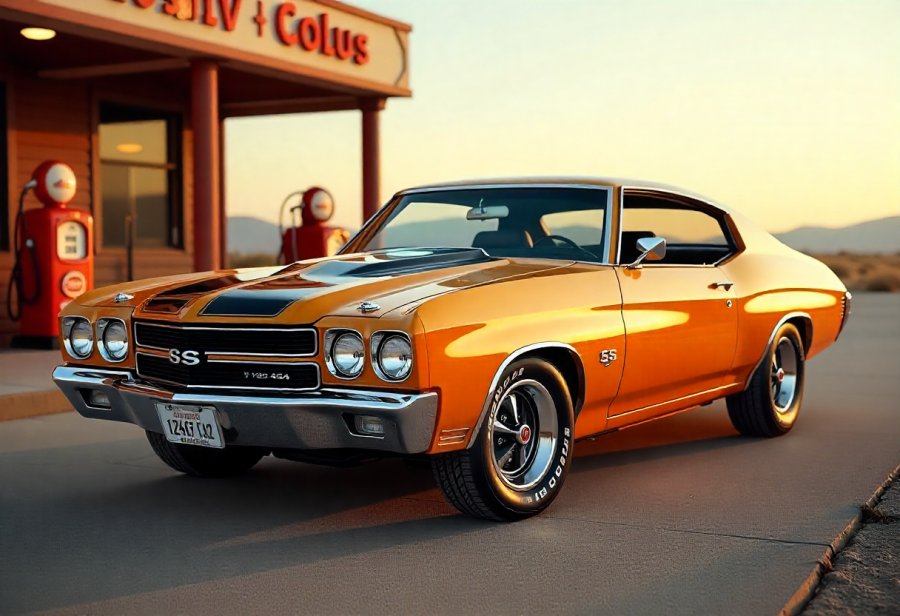
The Rise of the Muscle Car: A Rebellious Icon of American Freedom
The muscle car era of the 1960s and early 1970s is a defining chapter in American automotive history. It was a time when cars transcended mere transportation to become symbols of freedom, rebellion, and style. These vehicles combined powerful engines with bold, aggressive designs, creating a culture centered on speed and individualism. Whether tearing up drag strips or cruising city streets, muscle cars captured the imagination of young drivers and collectors alike, embodying a spirit that still resonates today.
During this period, automakers competed fiercely to produce the most impressive machines. Big-block V8 engines, like the legendary 426 HEMI or 454 Chevy, became icons of raw power. Their striking looks matched their performance, with racing stripes, scoops, and muscular bodies designed to turn heads. The visual appeal was as important as the engine specs, making each model a statement of personality and prowess.
But muscle cars weren’t just about speed—they represented a mindset. They were an extension of youthful rebellion, a way for drivers to express independence and defy convention. Car clubs, street races, and car shows flourished as enthusiasts shared their passion. The roar of a V8 engine became a rebellious soundtrack, signaling an era of social upheaval and youthful defiance. These cars weren’t just transportation; they were rolling works of art and engineering, crafted to evoke emotion and admiration.
This cultural backdrop helped elevate muscle cars from simple machines to icons of American identity. Models like the Pontiac GTO, Ford Mustang, and Chevrolet Camaro emerged during this golden age, each offering unique performance and style. Among them, the Chevrolet Chevelle SS 454 stood out for its staggering power and bold design, built not just to go fast but to make a statement. Every detail, from the gleaming paint to the muscular stance, reinforced the era’s drive for performance and flair.
In the end, muscle cars like these weren’t just vehicles—they were symbols of a generation’s desire for freedom and individuality. The sounds, sights, and sensations of that time continue to inspire, reminding us of a period when driving was about living loudly and embracing power. The muscle car era remains a vibrant chapter in automotive history, a testament to American ingenuity and rebellious spirit.
Inside the Powerhouse: Design and Specifications of the 1970s Chevrolet SS
The 1970s Chevrolet SS combined bold design with advanced technical features that made it a true standout among muscle cars. Its muscular stance was immediately recognizable, featuring a wide grille and a sleek, aerodynamic profile that hinted at the immense power underneath. The body lines were both aggressive and refined, emphasizing the car’s strength and speed. Notable details like the cowl-induction hood weren’t just for aesthetics—they improved airflow to the engine, boosting performance when it mattered most.
Under the hood, the Chevrolet SS often housed some of the era’s most formidable engines. The legendary 454-cubic-inch V8, common in many models, produced over 450 horsepower, making acceleration and top speeds impressive even by today’s standards. Equipped with high-rise intake manifolds and dual exhausts, these engines delivered a thunderous growl that announced their presence and amplified their performance. These features weren’t just for show—they played a crucial role in optimizing airflow and extracting maximum power.
Inside, the focus was on the driver’s experience. The interior combined comfort with a sporty feel, featuring bucket seats that kept drivers firmly planted during spirited drives. The dashboard was straightforward and functional, designed to keep the driver engaged and in control. Classic gauges and a clean layout supported performance, offering quick access to vital information without distraction. Every detail was crafted to enhance control and provide an exhilarating driving experience.
On the outside, visual flair was just as important as raw power. Wide Rally wheels gave the car a planted, aggressive stance, while racing stripes and period-correct badging highlighted its performance pedigree. Bright colors like Hugger Orange or Deep Red, contrasted with black accents, made each model stand out even more. These styling choices underscored the muscle car’s identity—muscular, bold, and unmistakably American. Every element was designed to turn heads and evoke admiration.
Handling and stability were carefully tuned to match its impressive power. The chassis and suspension were engineered for high-speed performance, providing excellent control on the road. Heavy-duty brakes and a reinforced frame ensured safety and reliability, allowing drivers to fully harness the engine’s potential. Every feature, from the high-performance suspension to the commanding exhaust note, worked together to create an experience that was as visceral as it was dependable. The Chevrolet SS was more than just a muscle car—it was a statement of American power and engineering prowess.
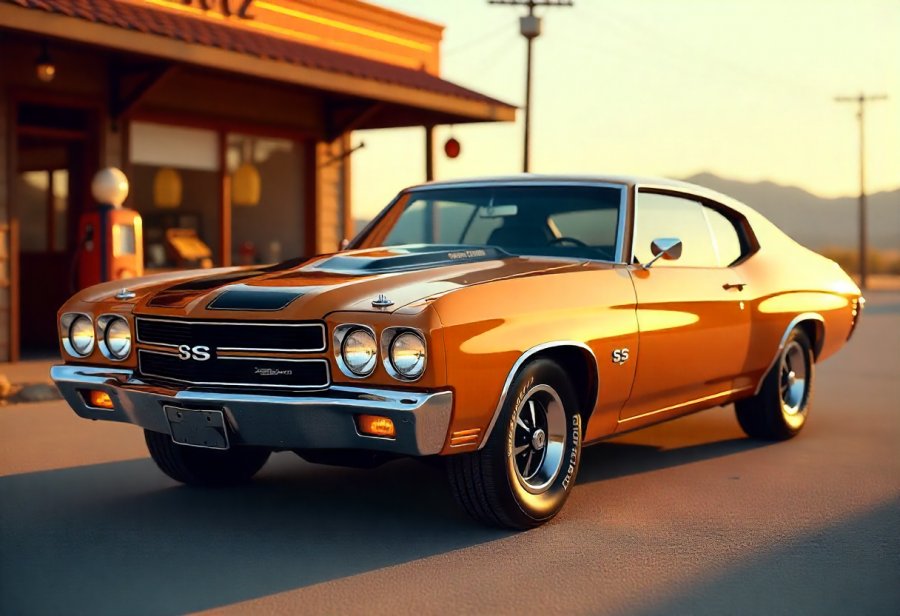
Legacy and Perception: How the Chevrolet SS Continues to Inspire
Today, the Chevrolet SS remains a celebrated icon in American muscle car history. For enthusiasts and collectors, it embodies the bold spirit of an era driven by raw power and striking style. Restored models frequently draw attention at car shows and vintage gatherings, keeping the legacy of the 1970s muscle car scene alive. These vehicles evoke nostalgia and admiration, serving as tangible links to a time when making a statement behind the wheel was everything.
Despite becoming less common on modern roads, the influence of the Chevrolet SS endures through a passionate community of car lovers. The Chevelle SS 454, in particular, continues to inspire awe with its impressive performance and unmistakable style. Many owners dedicate time and resources to restoring and maintaining these cars, ensuring their historical significance remains intact. Their presence in collections and at events highlights their status as enduring symbols of American horsepower and craftsmanship.
The legacy of the Chevrolet SS extends beyond nostalgia; it actively shapes contemporary automotive culture. These cars frequently appear in movies, TV shows, and advertisements as symbols of power, independence, and rebellion. Their image often evokes feelings of freedom and adventure, reinforcing their role as cultural icons. Their visibility helps newer generations appreciate the engineering and attitude that made muscle cars like the Chevrolet SS legendary, cementing their place in American automotive identity.
While muscle cars face criticism over environmental and safety concerns, their influence persists. Many enthusiasts celebrate their performance and style, even as modern perspectives encourage a balance between power and responsibility. This has sparked innovation, leading to modern interpretations that honor the muscle car spirit while addressing sustainability. Electric and hybrid models inspired by classics like the Chevrolet SS promise high performance without the environmental drawbacks, bridging the gap between past and future.
The ongoing passion within the muscle car community ensures these vehicles are more than just relics—they are living legends. Online forums, clubs, and expos foster a shared appreciation for their engineering, design, and cultural significance. Restorations, stories, and personalized builds keep the rebellious energy of the era alive, inspiring new drivers and collectors alike. The Chevrolet SS’s story continues to resonate, echoing the boldness and innovation that defined an entire generation of American automotive passion.
Reviving the Legend: How Enthusiasts Keep Muscle Car History Alive
Engaging with muscle car history isn’t just about owning a vintage Chevrolet SS; it’s about immersing yourself in the culture and actively keeping its legacy alive. Restoring a classic muscle car begins with a clear-eyed assessment of its condition—spotting rust, body damage, and mechanical issues. Sourcing authentic parts and sticking to original specifications ensures the restoration preserves the vehicle’s historical integrity, allowing it to tell its true story.
Patience and attention to detail are key. Carefully disassembling the car, labeling each piece, and hunting for period-correct components make the restoration process rewarding. Rebuilding the engine, restoring the bodywork, and selecting iconic colors like Hugger Orange bring the car back to life. When the mechanical systems are tuned and the exterior refinished, the thrill of hearing that legendary big-block roar again becomes a direct connection to the muscle car’s raw power and rebellious spirit.
Participating in car shows and muscle car events offers more than a chance to showcase your work; it’s an opportunity to learn from fellow enthusiasts. Sharing tips, swapping stories, and exchanging restoration ideas deepen your appreciation for the era’s craftsmanship. Online communities and dedicated clubs provide ongoing support, making the journey more enjoyable and less isolating. These interactions foster a sense of camaraderie rooted in a shared passion for preservation and performance.
Maintaining a vintage muscle car presents unique challenges. Rust can threaten the structure, and sourcing authentic parts becomes more difficult as originals grow scarce. Upgrading outdated wiring or suspension components requires a careful balance—preserving authenticity while enhancing safety and reliability. Every repair and upgrade is a step toward ensuring these cars remain roadworthy and true to their legendary status.
Sharing your restoration journey amplifies the collective enthusiasm. Many owners emphasize patience, persistence, and a love for the process. Tracking down rare parts or witnessing a project come to life after months of effort creates moments of pride and connection. These stories remind us that restoring a muscle car isn’t just about the vehicle—it’s about the experience, the knowledge gained, and the community built along the way. By actively engaging in this hands-on process, enthusiasts keep the spirit of the 1970s Chevrolet SS vibrant, ensuring that its roar continues to inspire future generations.
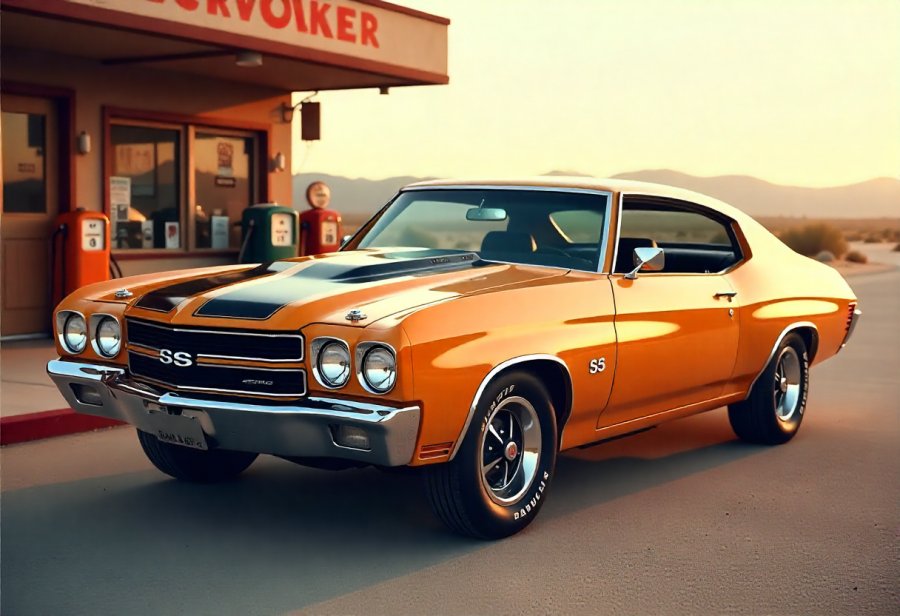
The Road Ahead: Innovation and Tradition Shaping the Future of Muscle Cars
Looking ahead, the future of muscle cars is a fascinating blend of honoring tradition and pioneering innovation. While the raw power and bold styling that made classics like the Chevrolet SS icons remain beloved, manufacturers are exploring new ways to push the boundaries. Electric muscle cars are gaining momentum, offering instant torque and blistering acceleration without the emissions associated with traditional engines. This shift not only preserves the performance spirit but also addresses modern concerns about sustainability, appealing to a new generation of enthusiasts who value both power and responsibility.
At the same time, modern interpretations of vintage designs are becoming more prevalent. Car companies are crafting sleek, contemporary models that pay homage to the muscle cars of the 1970s, seamlessly blending retro aesthetics with cutting-edge technology. These vehicles often feature lightweight materials, aerodynamic enhancements, and digital dashboards, all while maintaining the aggressive stance and visual flair that define muscle car culture. Such designs attract both nostalgic fans and newcomers, creating a bridge that connects past excitement with future innovation.
Technology continues to reshape what muscle cars can do. Driver-assist features, hybrid powertrains, and advanced safety systems are increasingly integrated into new models, making high performance safer and more practical for everyday driving. Hybrid systems deliver impressive horsepower with better fuel efficiency, proving that the core appeal—power, attitude, and style—can adapt to a more environmentally conscious world. As a result, muscle cars become more versatile, appealing to drivers who seek thrill without sacrificing reliability or sustainability.
Beyond hardware, the culture surrounding muscle cars remains vibrant. Enthusiast communities are embracing customization and personalization more than ever, adding modern touches like digital gauges, custom lighting, and upgraded sound systems. These modifications keep the scene fresh, allowing owners to express their individuality while respecting the legacy. Car clubs, online forums, and expos foster a sense of camaraderie, ensuring that the rebellious spirit of the muscle car era continues to thrive in new forms.
Looking further, innovations like lightweight composites and electric drivetrains promise to slash environmental impacts without sacrificing performance. Some manufacturers are even exploring how automation and connectivity can elevate driving experiences—adding performance modes or autonomous features that appeal to a broader audience. These advancements show that the essence of American muscle—power, attitude, and freedom—can evolve, staying relevant in a rapidly changing automotive landscape.
The future of muscle cars isn’t about replacing the classics but building on their legacy. As technology progresses and cultural values shift, these vehicles will continue to symbolize American ingenuity and rebellion. Whether through electrification or modern design, the roar of a muscle car will remain a powerful expression of freedom and performance—an enduring echo of an era defined by boldness, innovation, and unrelenting spirit.