Nylon is everywhere—from our clothes to carpets—yet its environmental footprint is often hidden beneath its practicality. Derived from fossil fuels, its production involves energy-intensive chemical processes that emit greenhouse gases and toxic chemicals, polluting air and water. Once in use, nylon’s resilience means it persists in landfills for decades and fragments into microplastics, contaminating oceans and harming marine life. This cycle of extraction, manufacturing, and waste contributes significantly to climate change and ecological degradation. Can we continue to prioritize convenience without reckoning with the true cost? Emerging innovations like recycled and bio-based nylon offer hope, but widespread adoption faces hurdles. Addressing these issues requires concerted efforts—industry shifts, stricter policies, and consumer awareness—to transform nylon’s lifecycle into a more sustainable one. How can we balance human needs with planetary health when the stakes are so high?
Unveiling Nylon: Its Ubiquity and Hidden Environmental Costs
Nylon is one of the most common synthetic fibers found in our daily lives. From the clothes we wear to the carpets under our feet and outdoor gear we rely on, this versatile material has become a staple across industries. Its popularity stems from its strength, flexibility, and affordability, making it an easy choice for manufacturers and consumers alike. However, behind its practicality lies a more complex story—one that involves significant environmental costs often hidden from view.
As a man-made fiber derived from petrochemicals, nylon’s production is deeply connected to fossil fuels. Its lifecycle begins with extracting oil and natural gas, which are processed into the chemicals necessary for manufacturing nylon. This chemical process, known as polycondensation, involves heating and reacting specific hydrocarbons to form long, durable polymer chains. The energy-intensive nature of this process means that nylon production relies heavily on non-renewable resources, contributing significantly to carbon emissions and climate change.
The environmental impact of nylon extends far beyond its creation. Its durability ensures it resists natural breakdown, persisting in landfills for decades. Over time, nylon waste fragments into microplastics—tiny fibers that contaminate soil and water. These microfibers are released into waterways during washing, escaping filtration systems and entering oceans, where they threaten marine life and enter the food chain. Additionally, manufacturing facilities emit hazardous chemicals and volatile organic compounds, polluting local air and water, and posing health risks to nearby communities.
This widespread use and long lifespan make nylon a persistent environmental problem. Its microfibers harm marine ecosystems, while its resistance to natural degradation results in long-term pollution. As demand continues to grow in fashion, home furnishings, and outdoor equipment, so does nylon’s ecological footprint. Recognizing these issues is crucial to understanding the true cost of a material often praised for its convenience and durability, prompting a need to rethink how we produce and consume synthetic fibers.
From Petrochemicals to Fibers: The Complex Manufacturing of Nylon
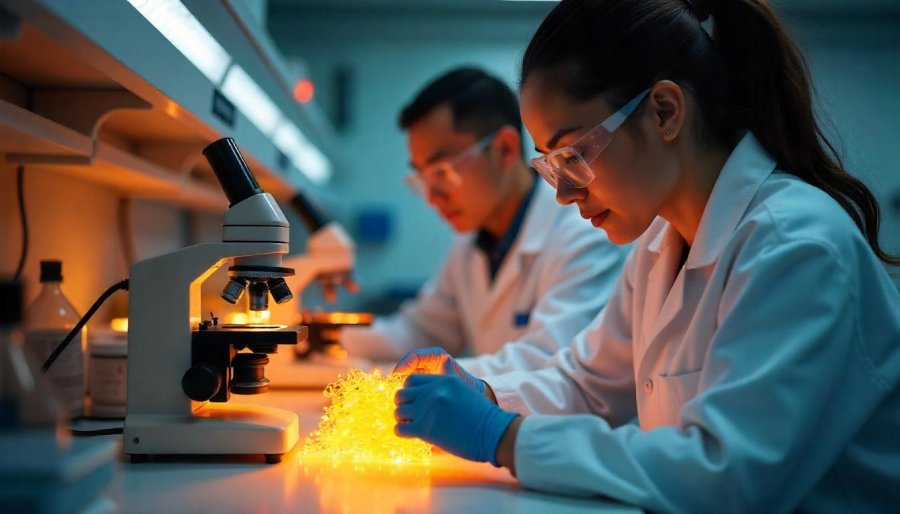
Nylon production starts with a series of chemical reactions that transform raw petrochemicals into the synthetic fibers we see in countless products. The core process, known as polycondensation, involves combining two key chemicals: hexamethylenediamine and adipic acid. These substances are heated and reacted under controlled conditions, during which water molecules are removed, allowing long chains of nylon polymer to form. The result is a strong, flexible fiber that can be spun into threads, textiles, or used in industrial applications.
These raw materials don’t come directly from the ground; instead, they are synthesized from hydrocarbons such as oil and natural gas. Extracted through extensive refining processes, these hydrocarbons serve as the building blocks for the chemicals needed in nylon manufacturing. This dependency ties nylon’s creation tightly to the finite resources of fossil fuels, making its production inherently linked to environmental issues like resource depletion and greenhouse gas emissions.
The manufacturing process itself demands large amounts of energy, primarily derived from coal, natural gas, or oil-fired power plants. High temperatures and precise chemical reactions are necessary to produce nylon fibers, releasing significant quantities of greenhouse gases into the atmosphere. During production, factories also emit volatile organic compounds and other hazardous chemicals, which can contaminate local air and water sources, posing risks to nearby communities and ecosystems.
Chemical waste management is a persistent challenge. Toxic byproducts and unreacted chemicals sometimes escape into the environment through air and water discharges, polluting surrounding ecosystems and degrading water quality. Without strict regulations or cleaner technologies, many manufacturing facilities continue to contribute to pollution, leaving a lasting ecological footprint that extends beyond resource use.
Once produced, nylon fibers are transformed into textiles, carpets, and industrial materials. During their lifecycle, they shed tiny microfibers—so small that they often bypass water filtration systems—flowing into rivers, lakes, and oceans. These microfibers are a growing component of the global microplastic crisis, harming marine life and entering the food chain, with potential impacts on human health.
From raw material extraction to manufacturing and disposal, nylon’s lifecycle highlights its deep dependence on fossil fuels, energy-intensive processes, and chemical pollution. As demand continues to grow, so does its environmental footprint, emphasizing the urgent need for cleaner, more sustainable production methods. Innovations like recycling and bio-based alternatives are promising steps forward, but widespread adoption remains a challenge.
Addressing these issues requires a combined effort. Industry investment in greener technologies, supportive policies, and consumer demand for sustainable products can drive meaningful change. Transitioning toward a more responsible nylon industry is essential to reduce its ecological impact and align manufacturing practices with the planet’s ecological limits.
Nylon in Our Environment: Pollution, Microplastics, and Ecosystem Impact
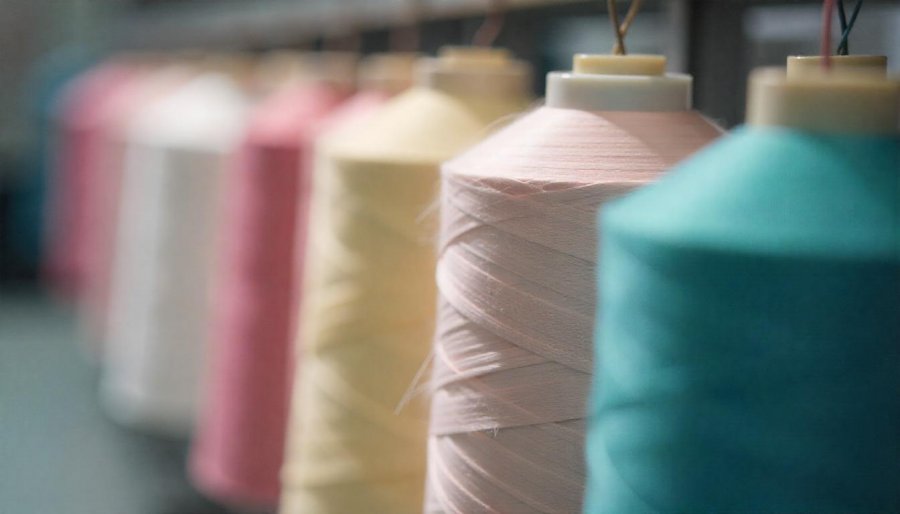
Nylon’s widespread presence in consumer products has led to persistent environmental challenges that are often overlooked. One of the most significant issues is microplastic pollution. Every time nylon clothing, carpets, or outdoor gear are washed, tiny fibers—called microfibers—are released into water systems. These microfibers are so small that water treatment plants struggle to filter them out completely, allowing them to flow into rivers, lakes, and oceans. Once in the environment, they don’t simply disappear; instead, they become part of the global microplastic crisis, affecting marine life and ecosystems worldwide. Fish, seabirds, and other wildlife ingest these fibers, which can cause physical harm and introduce toxins into their bodies, ultimately impacting biodiversity and food safety.
Nylon waste also accumulates in landfills, where it can persist for decades without breaking down naturally. Unlike organic materials, nylon is extremely resistant to decomposition, slowly fragmenting into even smaller microplastics that seep into soil and water. This long-lasting presence compounds environmental contamination, making nylon waste management a growing concern. As landfills fill up, these microfibers spread through soil and groundwater, contaminating ecosystems and threatening the health of both wildlife and humans. The durability that makes nylon so useful in products becomes a double-edged sword, turning it into a long-term pollutant.
The environmental toll continues through the manufacturing and disposal process. Factories often release hazardous chemicals—volatile organic compounds and other toxic substances—into the air and water during production. These pollutants can harm nearby communities and degrade local ecosystems, adding a chemical burden alongside plastic contamination. When nylon products are discarded or burned, they emit greenhouse gases and toxic fumes, fueling climate change and air pollution. This cycle of chemical emissions and waste disposal highlights the extensive environmental footprint woven into nylon’s lifecycle.
The impact extends beyond pollution and waste. The energy-intensive production of nylon relies heavily on fossil fuels, contributing significantly to greenhouse gas emissions. As demand for nylon grows globally, so does its carbon footprint, intensifying climate change and depleting finite resources. This dependence on non-renewable energy sources makes nylon an unsustainable choice in the long run. Its durability, once an asset, now translates into a persistent ecological burden, with microfibers contaminating water bodies and microplastics infiltrating food chains.
Addressing these ongoing issues requires urgent action across multiple fronts. Improving waste management systems to capture microfibers, developing biodegradable alternatives, and shifting toward recycled nylon can reduce environmental harm. Industry innovation, supported by stricter regulations and consumer demand for sustainable products, is critical to transforming nylon’s lifecycle. Raising awareness about the true environmental costs of nylon encourages more responsible choices and fosters a transition toward a circular economy for synthetic fibers.
The challenge is complex, but the stakes are high. By recognizing the full impact of nylon—from resource extraction to waste—society can push for meaningful change. Reducing reliance on fossil fuels, investing in greener technologies, and making more informed purchasing decisions are steps toward minimizing nylon’s ecological footprint. Protecting ecosystems and combating climate change depend on our collective ability to rethink how we produce, use, and dispose of this ubiquitous material.
Overcoming Challenges: Toward Sustainable Alternatives for Nylon
Reducing nylon’s environmental footprint faces significant hurdles because of its deep ties to fossil fuels. Its production relies on complex chemical processes that depend heavily on non-renewable resources, making a shift to sustainable alternatives challenging without major technological breakthroughs. Recycling nylon from waste streams—like discarded fishing nets or old textiles—offers a promising path, but scaling these solutions remains difficult due to issues with maintaining fiber quality, high costs, and supply chain logistics. Without widespread, efficient recycling systems, the cycle of resource extraction, manufacturing, and waste continues largely unchecked.
Innovations in materials science are beginning to offer hope. Recycled nylon, made from post-consumer waste, can significantly cut down on the demand for virgin petrochemicals and reduce landfill overflow. However, integrating recycled nylon into mainstream manufacturing still faces hurdles around fiber quality and cost competitiveness. Consumer support for brands that prioritize recycled and eco-friendly materials can drive industry change, encouraging broader adoption and investment in sustainable practices.
Technological breakthroughs also hold promise for the future. Solvent-free polymerization processes eliminate the need for harmful chemicals, making production cleaner and more energy-efficient. Researchers are exploring bio-based feedstocks derived from renewable resources like plant materials, aiming to develop nylon fibers that degrade more quickly and have a smaller carbon footprint. Closed-loop recycling systems—where old nylon products are reprocessed into new fibers—are gaining traction, moving the industry toward a circular economy for synthetic fibers.
Policy plays a crucial role in overcoming these challenges. Governments can implement stricter emission standards, enforce better waste management regulations, and offer incentives for research into greener materials. Such policies can accelerate industry shifts toward sustainable practices, making it easier for companies to adopt cleaner technologies. Meanwhile, consumers can influence this transition by demanding transparency, choosing products made from recycled or biodegradable sources, and supporting brands committed to sustainability.
Changing entrenched manufacturing habits and reducing reliance on fossil fuels won’t happen overnight. It requires coordinated efforts across research, regulation, and market demand. But the potential benefits—less pollution, lower greenhouse gas emissions, and healthier ecosystems—make the effort worthwhile. Industry innovation, supportive policies, and informed consumers are all essential to transforming nylon’s lifecycle into a more sustainable one.
Supporting these changes involves more than technological advances. It calls for a mindset shift among consumers and industries, recognizing that durability and convenience shouldn’t come at the planet’s expense. Small choices—like selecting products with recycled content or advocating for stricter environmental policies—can collectively drive significant change. As these efforts grow, they can help reduce nylon’s ecological toll and foster a more responsible, circular approach to synthetic fibers.
The journey toward sustainable nylon is complex but achievable. Innovation, policy support, and consumer activism are all pieces of the puzzle. The goal isn’t just to replace nylon but to fundamentally rethink how we produce and use synthetic fibers—aligning them more closely with ecological limits. This ongoing transition promises a future where comfort and durability no longer carry such a heavy environmental cost, creating a healthier planet for generations to come.
A Call for Action: Reducing Nylon’s Environmental Footprint Together
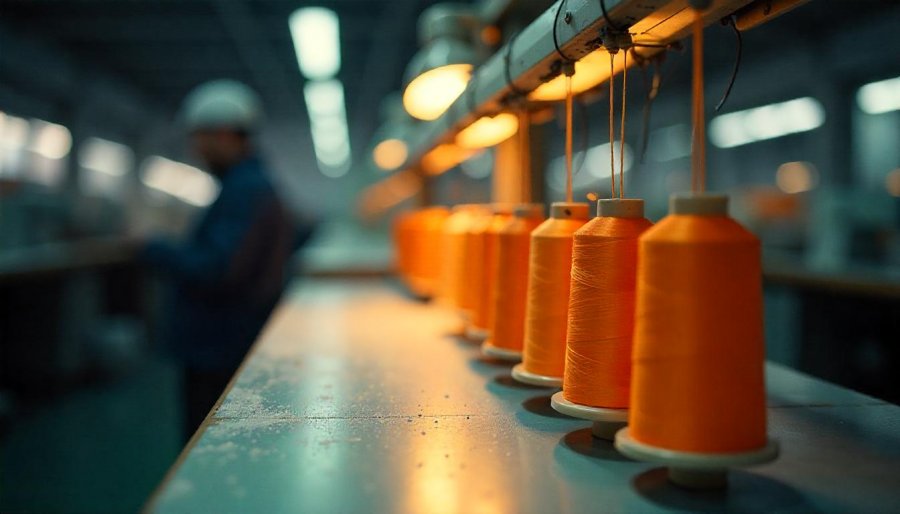
Reducing the environmental impact of nylon demands a collective effort from industry, policymakers, and consumers alike. Its deep roots in fossil fuel consumption make it a complex challenge, but progress is within reach. Industry investment in cleaner production methods, recycling initiatives, and the development of bio-based fibers can significantly cut its ecological footprint. These innovations, however, require time, resources, and supportive policies to scale effectively. Encouragingly, as awareness grows, so does the demand for sustainable alternatives, pushing companies to adopt more responsible practices.
Governments play a crucial role by setting stricter emission standards, enforcing waste management regulations, and providing incentives for green technologies. Policy frameworks that promote transparency and accountability can accelerate the shift toward eco-friendly manufacturing. When regulation aligns with industry innovation, it becomes easier for businesses to transition to cleaner processes and for consumers to make informed choices. Supporting legislation that fosters a circular economy for synthetic fibers can help close the loop, turning waste into a resource rather than a problem.
Consumers hold significant power through their purchasing decisions. Supporting brands committed to sustainability—those using recycled nylon, biodegradable materials, or transparent supply chains—sends a clear message: environmental responsibility matters. Small actions like choosing eco-conscious products or advocating for stricter regulations amplify the push toward industry change. Collective consumer demand can drive innovation and incentivize companies to prioritize sustainability over short-term profits.
Addressing nylon’s environmental toll isn’t just about technological solutions; it’s about shifting mindsets. Recognizing that durability and convenience shouldn’t come at the expense of ecosystems and climate stability is key. Every purchase, advocacy effort, or policy support contributes to a broader movement for responsible manufacturing and consumption. The transition toward more sustainable nylon is challenging, but the long-term benefits—less pollution, healthier ecosystems, and a more stable climate—make it essential.
The journey toward a greener future for nylon is ongoing, but it’s a path worth pursuing. By combining technological advances, supportive policies, and conscious consumer choices, we can reshape an industry that’s been deeply rooted in fossil fuels for decades. Each step forward reduces the ecological burden, creates healthier environments, and ensures that durability and comfort no longer come at the planet’s expense. Together, these efforts can help build a sustainable, responsible textile industry that aligns with the planet’s ecological limits.
