Are winter tires the safety miracle they’re often made out to be, or is their reputation perhaps exaggerated? Designed with specialized rubber compounds and aggressive tread patterns, winter tires are engineered to improve grip and control on icy and snowy roads. Scientific research confirms they can reduce stopping distances by up to 30%, making them invaluable in severe winter conditions. Yet, many drivers believe that simply installing these tires guarantees safety, overlooking their limitations and the importance of responsible driving habits. Personal stories and real-world tests demonstrate that winter tires significantly enhance confidence and handling but are not foolproof. With ongoing technological innovations and evolving policies, the future promises even smarter tire systems to combat winter hazards. But how much can these advances truly compensate for cautious driving and proper maintenance? The truth lies in understanding that while winter tires are a critical safety tool, they are most effective when combined with prudent behavior and proactive preparation.

Discover the Essential Role of Winter Tires in Cold Weather Safety
Winter tires are designed specifically to handle the unique challenges of cold weather driving. Their purpose is to improve safety and control when roads are icy, snowy, or packed with slush. Many drivers see them as essential tools for winter, believing they significantly reduce the risk of accidents on icy surfaces. These tires use special rubber compounds and tread patterns that remain flexible in low temperatures, helping maintain better contact with slippery roads.
Unlike all-season tires that try to perform well year-round, winter tires are built to excel in cold conditions. Their softer rubber allows them to mold more closely to icy patches, providing increased grip and stability. The tread designs are deeper, with numerous biting edges called sipes that grip into ice and snow, enabling better braking and steering. This engineering makes winter tires noticeably more effective on winter roads than their all-season counterparts.
Perceptions about winter tires often lean toward the idea that simply installing them guarantees safety. Many believe they can prevent skids and make driving on ice completely safe. This belief, however, can be misleading. While winter tires do improve traction and reduce slips, they are not foolproof. Their effectiveness depends on factors like quality, proper installation, and the severity of road conditions. Overestimating their capabilities might lead drivers to become complacent, relying solely on the tires rather than adjusting their driving habits.
Understanding what winter tires can and cannot do helps in making smarter choices. They are a valuable safety feature, but they are just one part of responsible winter driving. Good habits—such as reducing speed, increasing following distances, and staying alert—remain crucial. Recognizing their limits prevents a false sense of security that could be dangerous in extreme conditions.
In regions with harsh winters, winter tires have become a standard safety measure. Their specialized rubber and tread designs are tailored to meet the demands of icy, snowy roads, delivering better braking, handling, and stability. When combined with cautious driving, they can genuinely help drivers navigate winter more safely. But relying on them alone isn’t enough; responsible driving and awareness are key to truly staying safe on winter roads.
Unveiling the Science Behind Winter Tire Traction and Performance
Winter tires are carefully engineered with materials and design features that maximize grip and traction in cold conditions. One of the most important elements is their rubber compounds, which stay softer and more flexible at low temperatures. Unlike standard tires that harden and lose grip in the cold, winter tires maintain their pliability, allowing the tread to conform closely to icy and snowy surfaces. This flexibility significantly increases friction, making it easier to brake, steer, and accelerate on slick roads.
The tread patterns on winter tires are also purposefully designed for winter challenges. They often feature deeper grooves that help channel away slush, snow, and water, reducing the risk of hydroplaning and maintaining better contact with the road. Small, sharp biting edges called sipes are incorporated within the tread to grip into icy patches. These edges bite into packed snow and ice, providing essential traction during braking and cornering, especially in sudden maneuvers.
Scientific research confirms that combining softer rubber and aggressive tread designs leads to better traction on winter surfaces. When roads are icy, the flexibility of the rubber allows the tire to mold into uneven terrain, increasing the surface contact and creating more friction. Simultaneously, the deeper grooves and biting edges help break through packed snow and ice, enhancing grip and reducing stopping distances. This synergy makes winter tires vastly more effective than all-season tires when it counts most.
The performance benefits of these design features are backed by rigorous testing. Controlled braking and acceleration tests reveal that winter tires can reduce stopping distances on ice by up to 30%, a crucial safety advantage in emergencies. Their superior responsiveness also translates into more precise steering and control, helping drivers navigate treacherous winter roads with confidence. Proper maintenance—such as regular pressure checks and timely replacements—ensures these design elements continue to deliver optimal performance.
Understanding the science behind winter tire performance highlights why these tires are a vital safety upgrade. Their specialized rubber compounds and tread patterns are tailored to combat the low temperatures, ice, and snow that make winter driving hazardous. These engineering choices turn physical principles of traction and friction into tangible safety benefits, making winter tires a reliable tool for safer driving in cold climates. When matched with responsible driving habits, their scientific foundation translates into real-world control and peace of mind on icy roads.

Scientific Insights and Practical Evidence on Winter Tire Effectiveness
Research and testing consistently show that winter tires deliver tangible safety benefits, especially on icy and snowy surfaces. Controlled experiments conducted on icy tracks and snow-covered roads reveal that vehicles equipped with winter tires can stop up to 30% sooner than those with all-season tires. This significant reduction in stopping distance can be the difference between avoiding a collision and losing control. Many drivers in regions with harsh winters notice fewer skids and more predictable handling after switching, confirming the real-world advantages observed in lab conditions.
Advancements in winter tire technology continue to push performance further. Modern models incorporate highly engineered tread patterns with more biting edges and optimized siping designed specifically for icy surfaces. Rubber compounds are now developed to stay flexible at even lower temperatures, maintaining traction where older tires might become brittle and ineffective. Some manufacturers have integrated sensors that monitor tread wear and tire temperature, providing drivers with real-time data to ensure optimal performance. These innovations underscore that winter tires are evolving tools, not static products, aiming to meet the increasing demands of winter driving.
Scientific comparisons and rigorous testing back the claim that winter tires outperform all-season alternatives. On icy roads, braking tests demonstrate that winter tires can cut stopping distances by up to 30%. Their deeper treads and specialized rubber compounds increase friction and grip, especially in emergency situations where seconds count. Safety experts universally recommend switching to winter tires in cold climates because of these proven benefits—they significantly improve your ability to stop, steer, and accelerate when conditions are at their worst.
However, the effectiveness of winter tires hinges on proper maintenance and quality. Even the most advanced tires won’t perform at their peak if underinflated or worn out. Regularly checking tire pressure, replacing tires when tread depth diminishes, and ensuring correct installation are essential steps. Choosing high-quality tires with cutting-edge rubber compounds and tread designs makes a noticeable difference, especially in severe weather. Proper tire care maximizes their safety potential, translating scientific advantages into real-world protection.
All these insights from research, testing, and technological development reinforce a straightforward truth: winter tires offer genuine safety advantages in icy and snowy conditions. Their design features are rooted in science, turning principles of traction and friction into tangible benefits. While they aren’t a foolproof solution, their proven performance can significantly tilt the odds in your favor during winter. Recognizing the real-world impact of these tires helps drivers make smarter, more informed choices about winter safety.
By understanding the science and evidence behind winter tire performance, drivers can better appreciate their role in winter safety. The data and tests demonstrate that winter tires do more than just improve grip—they can reduce accidents, prevent skids, and provide peace of mind. When combined with cautious driving and proper maintenance, these tires become a critical part of staying safe on icy roads. Their effectiveness isn’t just theoretical; it’s validated by consistent results and driver experiences across harsh winter conditions.
Real-World Driver Experiences Confirm the Power of Winter Tires
Many drivers notice a clear difference when they switch to winter tires during the colder months. They often share stories about how their cars respond more predictably on icy roads, with improved grip during braking and sharper steering. For example, someone navigating snowy streets might find that after installing winter tires, their vehicle stops sooner and feels more stable, giving them a newfound sense of control that all-season tires just can’t provide. These experiences are more than anecdotes; they reflect real improvements that many drivers observe firsthand in winter conditions.
Confidence behind the wheel tends to grow with winter tires. Drivers frequently describe feeling more secure when accelerating or turning on snow-covered roads, thanks to the enhanced traction. One driver might mention that their vehicle no longer skids unexpectedly, even on icy patches, making winter driving less stressful. These stories highlight how winter tires help transform potentially hazardous winter drives into safer, more manageable journeys.
In regions with severe winters, fleets of delivery trucks equipped with winter tires often demonstrate fewer accidents and less vehicle damage during snow and ice storms. Personal vehicle owners also report noticeably fewer skids and more controlled handling after switching from all-season to winter tires. Multiple studies support these observations, showing that vehicles with winter tires experience shorter stopping distances and more reliable steering on icy surfaces. Such practical examples reinforce that winter tires truly deliver safety benefits in real-world conditions.
Drivers also recount how winter tires aid in unexpected situations. For instance, encountering an icy patch on an otherwise clear road can be less intimidating if the vehicle responds confidently. Many mention that the biting edges and deeper treads of winter tires bite into packed snow and ice, allowing for more precise steering and braking. These everyday experiences confirm that winter tires do more than just look good—they actively improve control in unpredictable winter scenarios.
Different winter tire styles suit various needs, and drivers often choose based on local climate. In areas with frequent ice, studded tires with metal studs provide extra grip, while in milder regions, non-studded models with advanced tread patterns suffice. Proper maintenance, like regular pressure checks and timely replacements, plays a key role in ensuring the tires perform as intended. When well cared for, winter tires consistently enhance safety and confidence on icy roads.
While winter tires significantly improve safety, they are not foolproof. Drivers still need to exercise caution—reducing speeds, maintaining safe distances, and adapting their driving to road conditions remain essential. Nonetheless, the collective feedback from drivers who have experienced better grip, shorter braking distances, and steadier handling underlines their value. These stories demonstrate that winter tires, backed by science and practical use, do make a real difference.
The recurring theme across driver experiences is clear: winter tires turn scientific principles of grip and traction into tangible safety benefits. They help drivers navigate icy and snowy roads more confidently, reducing the risk of accidents and skids. Though no tire can eliminate all hazards, these positive stories show that winter tires are a vital part of winter safety, making challenging conditions more manageable.
In the end, personal accounts align strongly with scientific data, confirming that winter tires deliver real-world control and security. These stories underscore their importance beyond technical specs, illustrating how they help drivers face winter’s worst conditions with greater peace of mind. For anyone in a cold climate, the message is simple: investing in winter tires can genuinely improve safety and confidence, especially when every second counts on icy roads.
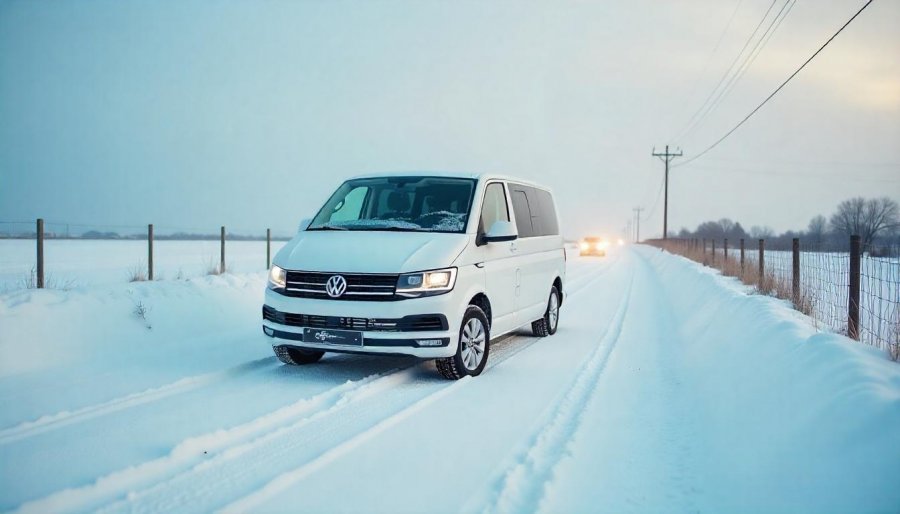
Future Innovations and Policies Shaping Winter Tire Safety and Usage
Looking ahead, the future of winter tires is set to be shaped by technological innovations that promise to boost safety and performance even further. Researchers are exploring new materials that stay flexible at lower temperatures, which could dramatically improve grip on the iciest surfaces. Imagine tires equipped with adaptive tread systems that respond dynamically to changing road conditions, providing enhanced traction whether you’re on packed snow or slick ice. Such advancements could help drivers react more effectively in unpredictable winter environments, reducing slips and skids where it matters most.
Alongside these technological strides, policies around winter tire use are gradually evolving. Some regions are considering stricter regulations or offering incentives to encourage early installation before winter begins. The goal is to lower accident rates caused by icy roads and foster a culture of proactive safety. When more drivers recognize winter tires as an essential safety measure rather than an optional upgrade, overall road safety in winter conditions could significantly improve. These policy shifts aim to embed winter tire use into standard driving practices, making them a routine part of preparing for cold months.
Driver behavior will continue to play a crucial role, regardless of technological progress. Education campaigns emphasizing proper tire maintenance—such as regular pressure checks and timely replacements—are vital. Cold temperatures can diminish tire pressure and accelerate tread wear, undermining safety if ignored. Encouraging cautious driving—slowing down, maintaining safe distances, and adapting to road conditions—complements the benefits of advanced tires. Combining smarter technology with responsible habits ensures that safety isn’t left to chance but is actively reinforced at every level.
Emerging innovations may also include integrated sensors and monitoring systems embedded directly into winter tires. These could alert drivers when tread depth is low or pressures are too low in real-time, especially in cold weather. Some prototypes are experimenting with tires that can adjust their stiffness or grip dynamically based on surface conditions, transforming tires from passive components into active safety devices. Such integrated technology would give drivers better control and situational awareness, making winter driving safer and less stressful.
To make the most of these advancements, early adoption and proper maintenance are essential. Investing in high-quality, modern winter tires well before winter hits ensures optimal performance when conditions worsen. Maintaining proper tire pressure, inspecting tread wear, and storing tires correctly off-season help preserve their safety benefits. Supportive policies and manufacturer standards can further encourage drivers to see winter tires as a necessary safety investment. By combining innovative technology with informed driver habits and effective regulations, we can create safer roads and more confident drivers all winter long.