In a digital age filled with surface-level interactions, rediscovering the profound connection found in shared gardening offers both healing and relationship-strengthening benefits. Tending to a garden together—whether in a backyard, community plot, or balcony—becomes more than a hobby; it transforms into a ritual of patience, care, and collaboration that nurtures both plants and bonds. As soil is turned and seeds are planted, participants experience mindfulness, reduce stress, and foster trust naturally through routine shared efforts. These activities build resilience, empathy, and open communication, turning everyday moments into meaningful connections. From family projects to neighborhood initiatives, the act of working side by side with nature reveals how genuine relationships can flourish when rooted in patience, effort, and presence. Could tending to a garden together be the key to unlocking deeper, more authentic bonds in our often disconnected world?
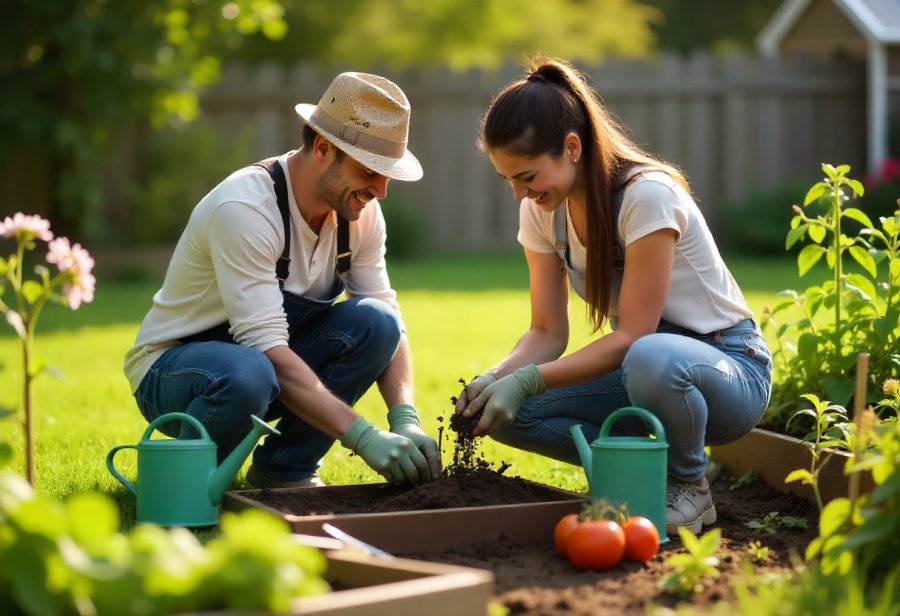
Reconnecting Through Shared Gardening: A Deep Dive into Modern Bonding
In a world dominated by screens and digital distractions, genuine human connection can sometimes feel harder to find. We often spend hours scrolling through social media, exchanging quick texts, or sharing moments that stay at surface level. Amid this noise, a simple act like gardening together offers a refreshing chance to reconnect on a deeper level. It’s not just about planting seeds; it’s about creating shared experiences rooted in patience, collaboration, and care.
Gardening, especially when done with others, acts as a natural antidote to modern stress. The physical activity of working with soil and plants encourages mindfulness, helping us slow down and be present. When shared, these routines become opportunities for conversation and quiet understanding, strengthening bonds without needing elaborate plans or words. Over time, working side by side in the garden fosters trust and teamwork—qualities that extend well beyond the planting bed.
In an age where loneliness and digital fatigue are common, many are craving authentic, offline activities. Gardening meets this need by inviting people outdoors, away from screens, into a shared space of growth and nurturing. Whether in a backyard, a community plot, or a balcony garden, these activities nurture not only plants but also relationships. Caring for something together reminds us that connection is built through effort, patience, and mutual responsibility.
Beyond its physical benefits, gardening has a healing power. Working with nature reduces stress, boosts mood, and clears mental clutter. When done with others, these effects multiply, creating a calming environment where conversations come more easily and emotional wounds can begin to heal. The garden becomes a sanctuary of trust and understanding, where patience and nurturing are exchanged just as freely as water and sunlight.
Shared gardening emphasizes that relationships develop through routines—cooperative efforts, shared responsibilities, and consistent care. Watching plants grow under joint attention mirrors the growth of bonds rooted in trust and patience. Whether with family, friends, or neighbors, these moments of tending together create a foundation that supports emotional resilience and deepens connections in ways words often cannot.
In a digital age that often pulls us apart, tending a garden side by side reminds us that authentic bonds are rooted in attention, effort, and time. It encourages us to unplug, listen, and nurture—not just plants, but each other. Gardening becomes a quiet yet powerful act of healing, reconnecting us with nature and with one another in a way that feels both timeless and profoundly meaningful.
Harnessing Nature’s Power: How Gardening Strengthens Bonds and Eases Stress
Engaging with nature through gardening offers a timeless avenue for healing and connection. The simple act of tending plants, feeling the texture of soil, and watching growth unfold can provide a profound sense of calm, reducing stress and elevating mood. When shared with others, these activities deepen their impact, transforming individual moments into collective achievements and strengthening bonds rooted in mutual effort.
Being outdoors in a garden creates a natural sanctuary away from daily worries. Tasks like digging, pruning, and watering serve as active meditation, helping us stay focused and centered. The sensory experience—soil under our nails, leaves brushing our skin, the scent of blooms and fresh air—activates our senses and naturally lowers stress hormones. Working side by side amplifies these benefits, fostering conversations and emotional support without even trying.
Sharing routines such as planting and watering builds cooperation and trust. These shared acts create milestones—seeing a seed sprout or a flower bloom—that reinforce teamwork and pride. Over time, these small, consistent efforts become rituals that deepen emotional bonds, making the garden a space not just for growth but for mutual investment and understanding. Watching life thrive under joint care symbolizes the potential for relationships to flourish with patience and nurturing.
Scientific studies support what gardeners instinctively feel: time spent in green spaces boosts mental health. Natural environments lower cortisol levels, reduce anxiety, and enhance cognitive clarity. When working together in a garden, these effects are even stronger, creating a peaceful setting where honest conversations and emotional healing can occur. The gentle rhythm of caring for plants acts as a soothing balm, helping to foster resilience and patience in both mind and heart.
Routine activities like planting, watering, and weeding develop a steady pace that nurtures bonds over time. As participants see tangible results—healthy plants and vibrant flowers—they experience a sense of accomplishment that translates into trust and confidence. These shared successes become symbols of what patience and care can achieve, both in the garden and in relationships, reinforcing the power of consistent effort.
Beyond individual well-being, shared gardening creates a space for genuine connection. It cultivates empathy, patience, and open communication, turning everyday interactions into meaningful moments. As people nurture life together, they also nurture trust and understanding, transforming the garden into a quiet arena for emotional growth. These experiences remind us that healing and connection often flourish when rooted in care, attention, and shared purpose.
Ultimately, engaging with nature through gardening isn’t just about cultivating plants—it’s about cultivating ourselves and each other. The act of working in a garden can serve as a powerful reminder that healing and authentic bonds are ongoing processes rooted in patience and presence. As we care for the earth, we also nurture relationships, finding resilience and grace in the simple act of tending to life together.
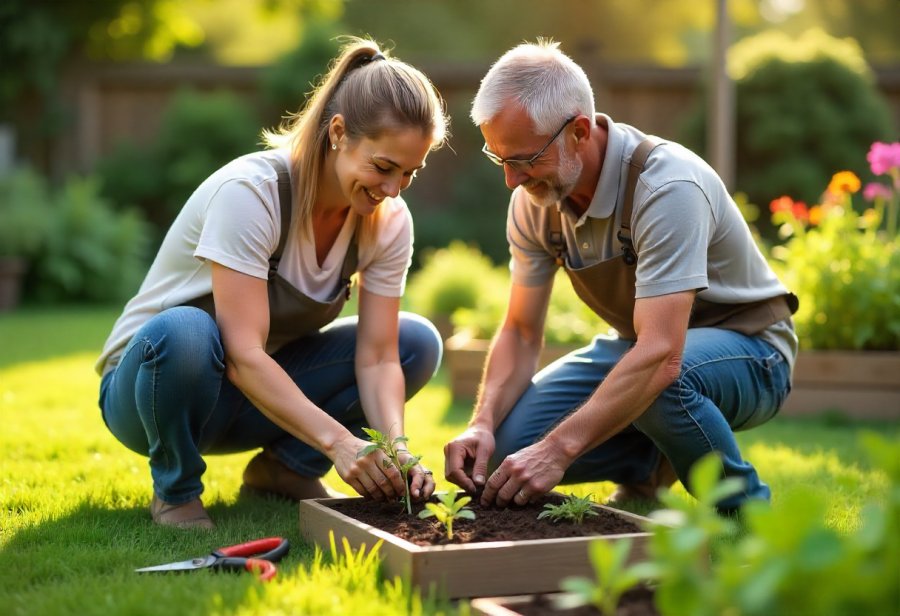
Current Trends in Gardening: Cultivating Community in a Digital Age
Today, more people than ever are turning to gardening as a meaningful way to reconnect with others in a hands-on, offline setting. Amid the constant digital buzz and busy schedules, many seek activities that foster genuine relationships built on effort, patience, and collaboration. Whether it’s a community garden, a rooftop plot, or a backyard patch, these shared spaces become oases of connection in an otherwise fast-paced world.
While gardening was once seen mainly as a solitary hobby, that perception is shifting. Urban dwellers and suburban families alike are embracing group planting sessions, neighborhood projects, and indoor garden clubs. These efforts highlight a broader desire for community and shared purpose, transforming gardening from a private pastime into a social activity that brings people together.
The rise of eco-consciousness and wellness trends also plays a role. More individuals recognize the mental health benefits of working outdoors and engaging with nature. Initiatives like volunteer planting days, workshops, and sustainability programs create opportunities for connection, turning shared efforts into deeper relationships. These activities foster a sense of collective achievement that extends beyond the garden beds.
Gardening spaces are now more diverse than ever. From small balcony containers to sprawling community plots, each setting offers unique chances for interaction. Schools incorporate gardening into classrooms, teaching children responsibility and teamwork early on. Urban rooftops turn limited space into lively green hubs, hosting social events and workdays. No matter the size, these gardens serve as platforms for learning, bonding, and emotional support.
Digital platforms further expand gardening’s reach, connecting enthusiasts across distances. Online communities share tips, seeds, and successes, making it easier to maintain shared projects remotely. These virtual ties often inspire in-person meetups, reinforcing bonds and creating new opportunities for collaboration and friendship.
Emerging trends like permaculture and sustainable gardening emphasize shared responsibility and patience, reinforcing core values that support relationship building. Workshops on mindful gardening or outdoor therapy sessions turn gardening into meaningful experiences that promote emotional well-being. As these practices grow, they help solidify gardening’s role as a tool for connection and healing.
All these shifts reflect a cultural change—gardening is no longer just about plants but about people coming together. Whether in urban or rural settings, this activity offers simple, accessible ways to unplug, collaborate, and nurture lasting bonds. In a world where digital connections often feel fleeting, tending a shared garden provides a steady, tangible means to foster community, resilience, and genuine relationships.
Budget-Friendly Gardening: Making Shared Spaces Accessible and Affordable
Starting a shared garden doesn’t have to break the bank, but knowing the costs involved helps make smarter decisions. The good news is that you can begin small—think a few containers or a modest plot—and expand as your resources allow. Basic tools like trowels, gloves, watering cans, and pruning shears are affordable and widely available. Many budget-friendly starter sets are perfect for those new to gardening routines that foster connection without requiring a big upfront investment.
Seeds, surprisingly, are one of the most economical parts of gardening. Opt for native plants or heirloom varieties—they tend to be more resilient and cost less over time. Buying in bulk or sharing seed packets with friends in your gardening group stretches your dollars further, allowing experimentation without overspending. Soil and compost are essential, but making your own compost from kitchen scraps or selecting inexpensive soil mixes can save money while boosting plant health.
Fertilizers and soil conditioners don’t need to be pricey. Organic options like compost tea or natural amendments are both cost-effective and eco-friendly. If you’re working in a community garden or shared space, some resources—such as tools or soil—may already be provided, reducing your initial costs. Even small setups, like a few pots on a balcony, can be budget-friendly when approached with creativity and a focus on long-term value.
Watering can be a significant ongoing expense, but there are ways to cut costs. Installing rainwater harvesting systems or using drip irrigation helps reduce water bills and conserves resources. Reusable tools and supplies also keep expenses down across multiple seasons. Growing plants from cuttings or saving seeds further minimizes recurring costs, making gardening more affordable over time.
For those with tight budgets, recycled containers or repurposed pots provide an easy entry point without large expenses. Community gardens often offer shared plots and tools, which can dramatically lower costs and foster collaboration. Even a small balcony garden can become a shared space for nurturing plants and strengthening bonds without a hefty price tag, emphasizing that connection doesn’t require big spending.
Beyond initial costs, the real financial benefit comes from the savings on groceries and the mental health advantages that reduce healthcare costs. Growing herbs and vegetables at home cuts down on store-bought produce, while the joy of shared effort adds emotional value that’s hard to quantify. Investing in a shared garden is more than planting—it’s nurturing relationships and well-being in a cost-effective way that pays dividends beyond the garden bed.
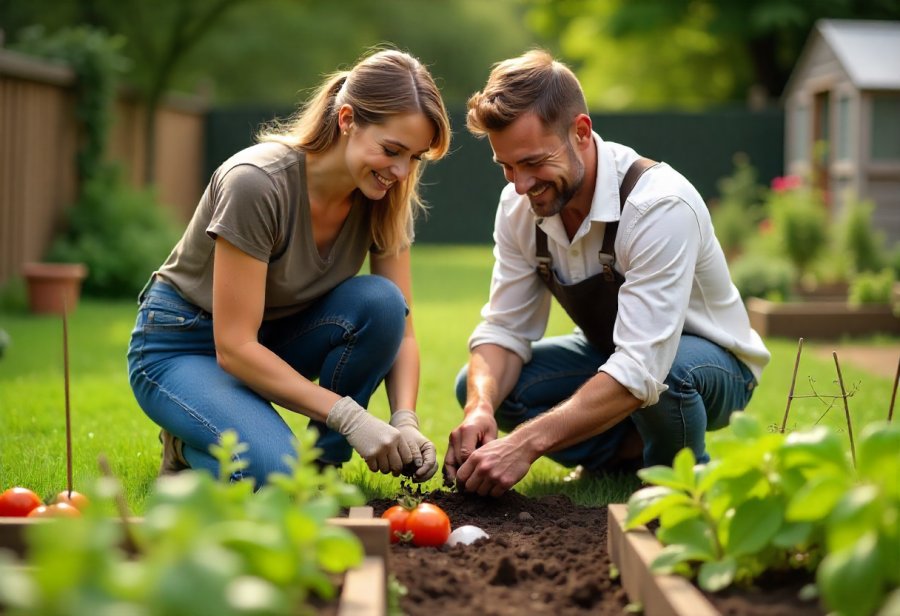
Real-Life Successes: How Shared Gardens Transform Relationships Daily
Shared gardening has a clear and tangible impact on everyday relationships, with stories that highlight just how powerful this activity can be. Take a family working together in their backyard: what starts as routine chores like planting or watering quickly turns into meaningful moments of connection and pride. Over time, these small shared tasks help build stronger bonds and foster better understanding among family members, creating a sense of teamwork that extends beyond the garden.
Similarly, neighborhood community gardens demonstrate how shared effort transforms strangers into a connected group. When neighbors collaborate on planting and maintaining a common space, they develop friendships rooted in cooperation and mutual support. These relationships often grow beyond the garden—neighbors share meals, organize local events, and help each other through life’s challenges, proving that tending plants can nurture lasting bonds.
For individuals, routine gardening routines become a dependable part of daily life that promotes emotional stability. Watching a seed sprout or flowers bloom under consistent care instills a sense of accomplishment and trust. These small victories foster patience and resilience, translating into stronger, more supportive relationships outside the garden. Gardening routines create a reliable rhythm that anchors emotional well-being and personal growth.
There are inspiring stories of using gardening as a tool for healing. For example, a single parent and their child working together in a small container garden found that the activity improved communication and patience. This shared effort created calm, trust, and a sense of joint achievement, helping to rebuild emotional bonds and foster resilience during difficult times. Such stories show that gardening is not just about plants but about nurturing emotional health and connection.
Even when conflicts arise—disagreements over roles or pests—addressing these challenges openly can turn them into opportunities for teamwork. Navigating obstacles together often strengthens relationships, reminding us that patience and collaboration are key both in the garden and in life. These shared struggles reinforce bonds and demonstrate how persistence in gardening mirrors perseverance in relationships.
These real-world examples reveal that working side by side in a garden transforms routine interactions into meaningful, supportive connections. Whether with family, friends, or neighbors, the act of tending together builds trust, patience, and mutual care. As people nurture life in the soil, they also nurture their relationships, turning gardening into a powerful space for emotional growth and lasting bonds.