What if the greatest obstacle to learning to swim is simply taking that first brave step? This inspiring journey reveals how water confidence can transform fears into freedom at any age, from hesitant children to adults overcoming long-held anxieties. Learning to swim isn’t solely about perfect strokes; it’s a pathway to safety, joy, and personal growth. The process involves gentle familiarization—standing in shallow water, practicing breathing, and celebrating small victories—building trust and resilience. Rooted in a rich history of cultural significance and evolving techniques, modern perspectives emphasize inclusivity and safety, making water skills accessible to all. With patience and persistence, each splash becomes a symbol of overcoming, fostering independence and lifelong confidence. Are you ready to embrace the challenge and discover the empowering freedom that comes with every successful step into the water? The journey begins with that first courageous plunge.
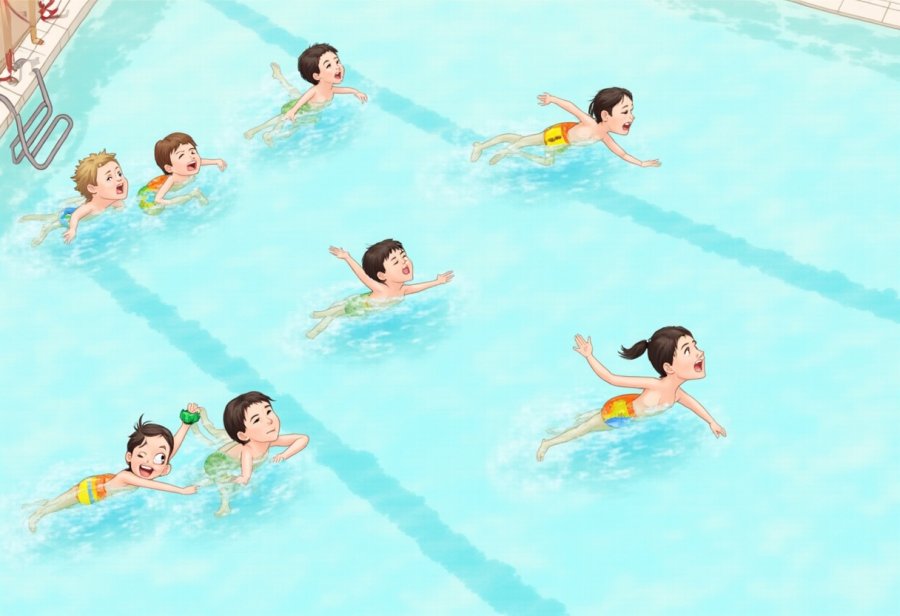
Unlock Water Confidence at Any Age: Your Journey Begins Today
Learning to swim isn’t just about mastering strokes or floating—it’s a skill that can positively change your life at any age. Whether you’re a young adult, a parent, or someone rediscovering water confidence later in life, taking that first step into the pool can feel daunting but incredibly rewarding. Gaining comfort in the water opens up a world of possibilities—recreation, safety, and a sense of personal achievement.
Many people associate swimming with childhood memories or summer fun, but its benefits extend far beyond that. Learning to swim boosts your confidence, enhances safety, and promotes physical and mental well-being. It’s a skill that stays with you, offering lifelong security and enjoyment. For adults especially, overcoming water fears can be a transformative experience, turning anxiety into empowerment and hesitation into freedom.
The journey begins with small, manageable steps. Familiarizing yourself with the water—standing in shallow areas, splashing gently, or simply observing—helps build trust. These simple actions reduce anxiety and lay the foundation for more confident movement. Supportive tools like floaties or kickboards can make a big difference in easing initial fears and encouraging gradual progress.
Water confidence isn’t about rushing to master every stroke immediately. It’s about feeling safe and relaxed in an environment that can seem intimidating at first. Each small victory, like getting your face wet or floating for a few seconds, reinforces your progress. Over time, these moments build a sense of control, making the water feel less like an obstacle and more like a space for joy and discovery.
Practicing regularly is key. Consistency helps your body and mind adapt, turning initial nervousness into familiarity and ease. Even short, frequent visits to the pool can make a difference. As confidence grows, you can gently challenge yourself with deeper water or new techniques, always within your comfort zone. Patience and persistence turn tiny steps into meaningful progress.
Breathing techniques play a crucial role in easing anxiety. Slow, steady breaths promote relaxation and help prevent panic. Combining breathing exercises with water familiarization creates a solid base for learning more advanced skills later on. Every small effort—whether floating, breathing, or splashing—contributes to building your water confidence.
Remember, learning to swim is a lifelong journey. Every splash, every breath, and every float adds to your sense of mastery and independence. Water can transform from a source of fear into a space of happiness and exploration. Trust in your ability to grow, celebrate each milestone, and enjoy the process. The water is waiting—your journey to confidence starts with that first brave step.
Building Blocks of Swimming: From Ancient Roots to Modern Techniques
Learning to swim is built on a foundation of core concepts that have evolved over centuries, shaping the way we teach water skills today. At its simplest, swimming education aims to help individuals become comfortable in the water, develop safety habits, and master basic techniques like floating, breathing, and moving efficiently. These elements serve as the building blocks for more advanced strokes and water activities, emphasizing the importance of a solid, gradual progression.
The history of swimming reveals its deep cultural significance. In ancient societies such as Egypt, Greece, and China, water skills were vital for survival, military training, and community bonding. Greek athletes valued swimming as part of the Olympic Games, highlighting its role in physical fitness. Over time, different cultures viewed water either as a symbol of freedom or a force to be respected, influencing how water skills were passed down through generations. This blend of tradition and scientific understanding has influenced modern teaching methods, making water safety and technique a priority.
Core swimming skills revolve around mastering a few essential components. Learning to float—whether on your back or stomach—serves as both a safety measure and a confidence booster. It conserves energy and provides a sense of control in the water. Developing controlled, rhythmic breathing prevents panic and encourages relaxation, which is crucial for progressing to movement and strokes. Basic strokes like freestyle, backstroke, and breaststroke involve coordinating arm movements, kicks, and breathing patterns to propel yourself smoothly. These fundamentals are interconnected, forming a reliable base for improving skills and increasing confidence.
The evolution of swimming techniques reflects advances in science and safety awareness. Early strokes, such as sidestroke, prioritized efficiency and survival, while later styles like front crawl and backstroke focused on speed and ease. Improvements in swimwear and biomechanics in the 20th century led to more refined strokes that reduce drag and improve efficiency. Safety considerations also played a role in shaping strokes, encouraging methods that conserve energy and reduce risks, especially in rescue situations. Today, ongoing research continues to refine these techniques, making swimming more accessible and enjoyable.
Milestones in swimming education have marked the shift from informal, trial-and-error learning to structured programs emphasizing safety and technique. Organizations like the Red Cross and the Royal Life Saving Society set standardized protocols that have helped reduce drowning incidents worldwide. Technological innovations, from improved swimwear to rescue equipment, support these efforts. Recognizing these developments underscores that modern swim instruction is designed to foster safety, build skills, and nurture a lifelong love of water, giving learners a reliable foundation for confident swimming.
Understanding these core concepts and historical roots helps learners appreciate their progress and the importance of proper technique. It highlights that swimming is not just about movement but about safety, resilience, and confidence. By grasping the evolution and structure of swim education, beginners can approach their learning journey with curiosity and trust. This knowledge reinforces that every swimmer, regardless of age, is building on a rich tradition of skill, safety, and shared human connection to water.
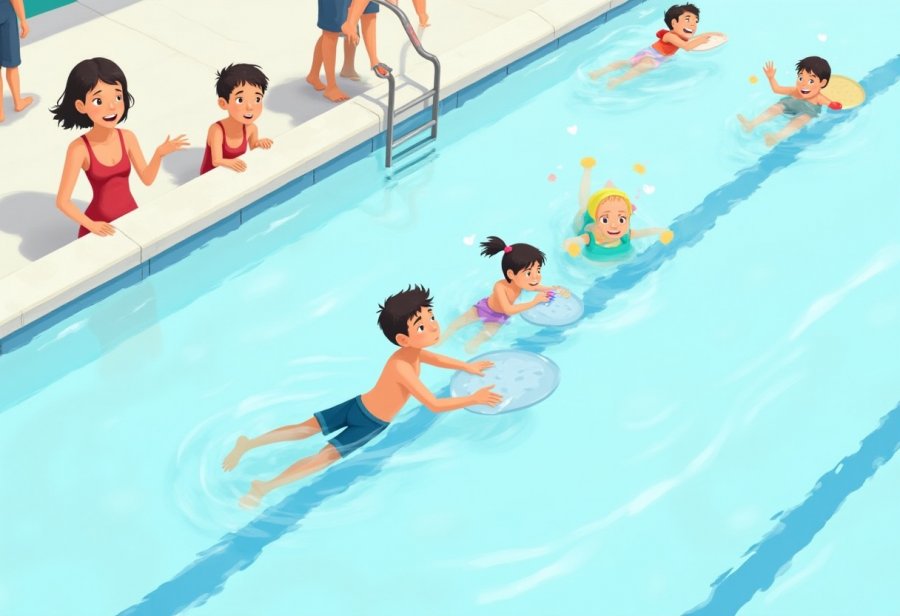
Current Perspectives on Water Safety: Embracing Inclusion and Responsibility
Today, attitudes toward learning to swim and water safety are more proactive and inclusive than ever before. Recognizing that swimming is a vital life skill, schools, community centers, and organizations actively promote water confidence from a young age. This shift reflects a broader understanding that strong swimming skills can prevent accidents, save lives, and foster lifelong habits of safety and enjoyment. As a result, more people see water familiarity not just as recreation but as an essential aspect of personal well-being and community resilience.
Public campaigns and media stories play a significant role in shaping how we think about water safety today. Tales of overcoming fears or heroic rescues highlight the importance of confidence in the water, motivating individuals to seek lessons and develop their skills. Conversely, reports of drownings and near-misses serve as stark reminders of the risks involved, emphasizing that proper education and safety routines are crucial for everyone. These narratives help to keep water safety top of mind, encouraging a collective responsibility to learn and practice safe swimming.
There’s also a notable rise in efforts to make swimming accessible to all. Today, adults and seniors are increasingly participating in lessons, recognizing that water confidence isn’t limited by age. This inclusive approach promotes resilience and health benefits for people at every stage of life. It challenges the outdated notion that swimming is only for children, fostering an environment where continuous learning and skill development are valued and encouraged.
Safety standards and regulations have become more rigorous and widespread. Certified instructors, standardized curricula, and safety protocols are now common, ensuring that learners not only develop proper techniques but also understand rescue skills and risk prevention. These measures create a foundation of trust, giving hesitant swimmers confidence that they are in capable hands. Water safety is no longer an afterthought but integrated into every lesson, reflecting a collective commitment to reducing accidents and empowering confident swimmers.
Media and cultural portrayals continue to influence our perceptions of water safety. Movies, TV shows, and online content depict water scenes that inspire or warn, shaping societal expectations. These stories can motivate viewers to learn or serve as cautionary tales, reinforcing the importance of proper training. Recognizing the diversity of cultural attitudes worldwide, from formal programs in Western countries to traditional family-based teachings elsewhere, highlights the need for adaptable, respectful approaches. Overall, the current perspective emphasizes that lifelong water confidence is within reach for everyone, supported by education, community effort, and shared responsibility.
Kickstart Your Swim Confidence: Practical Steps for Beginners of All Ages
Starting your water confidence journey can feel overwhelming at first, but breaking it down into simple, manageable steps makes all the difference. Find a safe, welcoming environment—preferably a shallow pool with certified instructors who understand how to support beginners. Your first visits should focus on familiarization: stand in shallow water, splash gently, or simply observe the surface. These small actions help build trust and reduce anxiety, setting a positive tone for your progress.
Using supportive tools like floaties, kickboards, or pool noodles can boost your confidence. These aids support your body, making it easier to practice basic movements without fear of sinking. Remember, there’s no rush—taking your time is key. Celebrate every small victory, like getting your face wet or floating for a few seconds. These moments reinforce your ability and motivate you to keep going.
Consistency is crucial. Establish a regular routine, even if it’s just once a week. Short, frequent visits help your body and mind gradually adapt to the water. Repeating familiar exercises makes movements feel natural and reduces hesitation. As your confidence builds, gently challenge yourself with slightly deeper water or new skills, always within your comfort zone. Progress may be slow sometimes, but persistence turns small steps into lasting gains.
Practicing controlled breathing early on can significantly ease anxiety. Focus on slow, steady breaths—inhale through your nose, exhale through your mouth. This simple habit calms your nervous system, making floating and moving through water easier. Combining breathing exercises with water familiarization creates a solid foundation for more advanced skills later.
Remember, many successful swimmers started just where you are now—facing fears and taking deliberate, small steps forward. Patience and persistence are your best allies. Each visit, each small achievement, adds up over time. Trust the process, stay committed, and celebrate your progress. Building water confidence isn’t about perfection; it’s about trusting yourself enough to keep moving forward.
As you continue, recognize that learning to swim is an ongoing journey. Every splash, every breath, every float contributes to your sense of mastery and independence. Over time, water transforms from an intimidating obstacle into a space of joy and discovery. Embrace each step with patience, knowing that every effort brings you closer to feeling safe, comfortable, and even excited to be in the water.
Support from others can make a big difference. Whether it’s an encouraging instructor, a patient friend, or a community group, sharing your goals and progress helps reinforce your commitment. Celebrating these small wins with others keeps motivation high and makes the process more enjoyable. Remember, you’re not alone—many have faced similar fears and come out stronger on the other side.
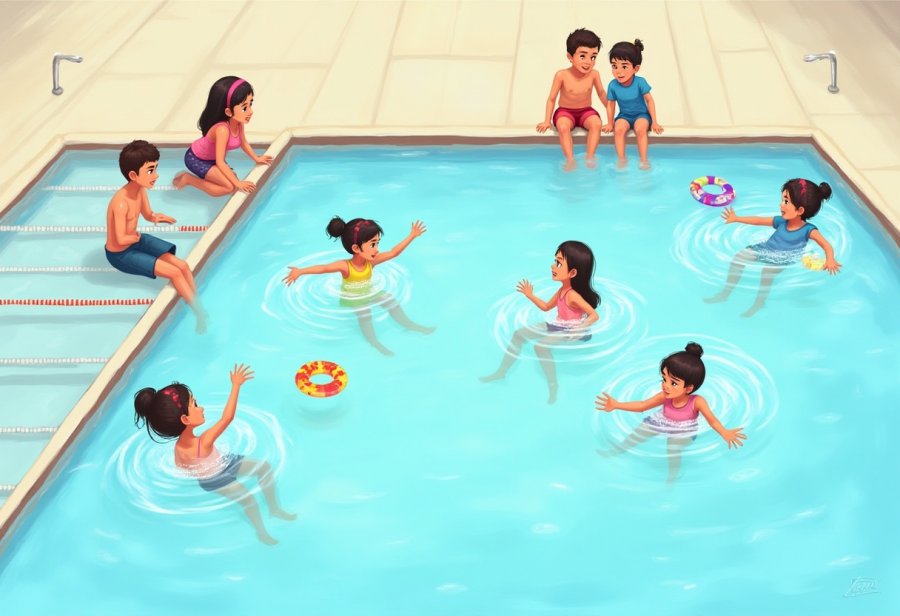
Keep Moving Forward: Embrace the Lifelong Journey of Water Mastery
Building water confidence is a journey that extends far beyond learning a few strokes or floats. It’s about developing resilience, nurturing patience, and embracing steady progress. Each small step you take—whether it’s floating a little longer, breathing more calmly, or simply stepping into the water—builds a foundation of trust in your abilities. Staying consistent with practice, even in small doses, reinforces this trust and helps turn initial fears into genuine confidence.
Every swimmer encounters setbacks along the way. It’s natural to feel frustrated at times or to struggle with certain skills. What sets successful learners apart is their perseverance and willingness to keep going despite these hurdles. Celebrate every minor victory, and see setbacks as opportunities to learn rather than failures. This mindset transforms challenges into motivation, making your water confidence journey not just a skill-building process but a personal growth experience.
Remember why you started—whether for safety, health, or simply to enjoy the water—and let that reason motivate you through the tougher days. Progress might feel slow or uneven, but persistence is key. Over time, your fears will diminish, replaced by a sense of mastery and freedom. Each splash and breath becomes a stepping stone toward a more confident, relaxed relationship with water. Trust that your efforts are shaping a resilient, lifelong skill that will serve you well in countless ways.
The process is ongoing, and even seasoned swimmers continue to learn and refine their skills. Water confidence is not a destination but a continuous journey of exploration and improvement. Every new challenge you embrace adds to your sense of independence and joy. Focus on progress rather than perfection, stay curious, and celebrate each milestone. The water’s vastness is an invitation—an endless space for growth, discovery, and fun.
Support from others can make all the difference. Whether it’s an encouraging instructor, a patient friend, or a community of water lovers, sharing your journey fuels motivation and makes the experience more meaningful. Remember, you’re not alone in this. Every swimmer who has ever faced fears and doubts has found their way through persistence and patience. Keep showing up, stay positive, and enjoy every splash along the way—because the true reward is a lifelong relationship with water that’s safe, joyful, and empowering.