In an era where seamless communication is vital yet increasingly complex, how can organizations harness the power of customizable telephony to boost efficiency and scalability? Grandstream’s innovative IP phones and cloud management solutions redefine what’s possible in network deployment. By transforming traditional systems into tailored communication hubs—supporting high-definition audio, programmable keys, and easy remote management—businesses can streamline workflows, reduce downtime, and adapt swiftly to growth. But the real question is: are you leveraging the full potential of digital, IP-based solutions to stay ahead in a competitive landscape? With centralized tools like GDMS simplifying deployment and maintenance across dispersed teams, organizations can build resilient, personalized networks that not only meet today’s needs but also future-proof their operations. This evolution in telephony isn’t just about technology; it’s about empowering your business to communicate smarter, faster, and more effectively—are you ready to unlock this next level?
Unlocking the Power of Customizable Telephony for Modern Business Success
In today’s fast-moving business landscape, reliable and clear communication isn’t just a convenience—it’s a core necessity. Companies of all sizes are looking for smarter ways to keep their teams connected, whether employees are working from the office, home, or across multiple locations. Traditional phone systems often fall short in supporting these dynamic needs, especially as organizations grow and workflows become more complex. This is where customizable telephony solutions step in, offering tailored features that align perfectly with specific organizational demands and help streamline daily operations.
Customizable telephony isn’t just about adding bells and whistles; it’s about creating a communication environment that fits how your team works best. Whether it’s integrating with customer management systems, supporting multiple call lines during busy periods, or setting up quick-dial buttons for frequent contacts, personalized solutions make a real difference. They help reduce downtime, improve workflows, and boost productivity—benefits that become even more valuable as your business expands and your communication needs evolve.
The shift toward digital, IP-based telephony has transformed how organizations approach their communication infrastructure. Unlike traditional landlines, modern systems use the internet to transmit voice data, unlocking a wealth of customization options. IP phones now come with programmable keys, high-definition audio, and user-friendly interfaces that can be tailored to different roles within your organization. Cloud management platforms like Grandstream’s GDMS make it easy to configure, update, and troubleshoot devices remotely, saving time and reducing the need for on-site support.
This technology is also highly scalable, supporting growth without the headaches of hardware upgrades or extensive wiring. Cloud-managed solutions enable organizations to add new devices, modify configurations, and push updates with just a few clicks, no matter where teams are located. As remote and hybrid work models become the norm, this flexibility ensures consistent, high-quality communication across dispersed teams, future-proofing your network for long-term success.
At its core, customizable telephony transforms a basic communication tool into a strategic asset. It allows organizations to build networks that are not only reliable but also precisely aligned with their workflows. From simplified deployment to enhanced user experience and improved network performance, these solutions enable your business to stay agile and competitive in an increasingly connected world. Making the right choices today lays the groundwork for a more efficient, scalable, and responsive communication environment tomorrow.
Mastering the Foundations: Telephony Technology and Network Management Essentials
Understanding modern telephony starts with grasping the core technology that powers it: Voice over Internet Protocol (VoIP). Unlike traditional landlines that depend on copper wires, VoIP transmits voice as digital data over the internet. This shift not only reduces costs but also opens a world of possibilities for customization and integration. Calls are broken into small data packets, allowing for flexible routing, easier management, and advanced features like call forwarding, conferencing, and seamless connection with other business tools. This digital foundation makes telephony more adaptable and aligned with today’s digital workflows.
Managing these IP-based devices effectively requires a solid understanding of network fundamentals. IP phones need proper configuration to communicate securely and reliably over existing network infrastructure. Setting up IP addressing, implementing Quality of Service (QoS) protocols to prioritize voice traffic, and establishing security measures to guard against cyber threats are crucial steps. Without these, even the most advanced devices can suffer from poor call quality or dropped connections. A well-structured network ensures that voice data flows smoothly, maintaining clarity and stability even during peak usage times or when multiple users are connected simultaneously.
Centralized management platforms like Grandstream’s GDMS simplify the complexity of device deployment and maintenance. These systems allow administrators to remotely provision, configure, and monitor hundreds or thousands of phones from a single interface. Instead of manually setting up each device, organizations can pre-configure devices in bulk, saving time and reducing errors. Firmware updates, security patches, and troubleshooting can all be handled remotely, minimizing disruptions and ensuring consistent performance across multiple locations. This approach is invaluable for scaling operations and maintaining system integrity as the network grows.
Hardware innovation has kept pace with the need for customization. Modern IP phones feature high-resolution screens, programmable soft keys, and support for multiple lines—making them adaptable to various roles within a business. Whether used for sales, support, or executive communication, these devices can be tailored to specific workflows, enabling quick access to key functions and contacts. This personalization not only enhances user experience but also boosts productivity, transforming standard phones into powerful tools that support daily operations seamlessly.
Finally, the ability to integrate telephony with other business systems adds a new layer of efficiency. Many IP phones and management platforms support connectivity with CRM systems, helpdesk tools, and productivity applications. This integration allows users to initiate calls directly from their CRM, automatically log interactions, and access relevant information during conversations. Such capabilities turn your communication infrastructure into a smart, responsive hub that simplifies workflows, improves customer interactions, and reduces manual data entry. A strong understanding of these fundamentals empowers organizations to build reliable, scalable, and highly personalized communication networks that meet current needs and adapt to future growth.
Navigating Today’s Telephony Landscape: Flexibility, Cloud Solutions, and Personalization
Today’s telephony landscape is more dynamic than ever, driven by the need for flexible, scalable communication systems that can be tailored to a variety of organizational needs. As businesses increasingly rely on digital and cloud-based solutions, the emphasis shifts from traditional hardware-centric setups to platforms that support remote work, high call volumes, and seamless integration with other digital tools. This evolution allows organizations to craft communication environments that are not just functional but also highly personalized, streamlining workflows and enhancing overall user experience.
Voice over Internet Protocol (VoIP) remains the backbone of modern telephony. It enables voice calls to travel over the internet, freeing businesses from the constraints of physical landlines. This technology has revolutionized communication by offering greater flexibility and a broad range of customization options. With VoIP, companies can easily add new features, support multiple lines, and enable remote or hybrid work setups—all without costly hardware upgrades or extensive wiring. It’s a game-changer for agility and growth.
Customization has become central to today’s telephony solutions. Organizations now expect their communication tools to support specific workflows and user roles. For example, sales teams benefit from speed dials and quick access to key clients, while customer service teams rely on programmable keys to handle high call volumes efficiently. This level of personalization transforms standard IP phones into strategic assets, boosting productivity and making daily operations more intuitive. It’s about designing systems that fit how your team actually works, not the other way around.
Device management has evolved alongside these technological advances. Cloud platforms like Grandstream’s GDMS enable remote provisioning, configuration, and monitoring of hundreds or thousands of endpoints from a single dashboard. This centralized approach simplifies deployment, reduces errors, and ensures consistency across multiple locations. Firmware updates, security patches, and troubleshooting are handled remotely, minimizing disruptions and making scaling operations smoother. This flexibility is especially vital for growing businesses or dispersed teams.
The integration of telephony with other business systems adds another layer of efficiency. Modern IP phones and management platforms support connectivity with customer relationship management (CRM) software, helpdesk tools, and productivity applications. Initiating calls directly from a CRM, automatically logging interactions, or accessing relevant data during conversations makes communication more intelligent and responsive. These integrations turn your telephony into a central hub that streamlines workflows, enhances customer interactions, and reduces manual data entry.
Cloud management has become a key enabler of scalability and adaptability. Organizations can add or remove devices quickly, push updates remotely, and modify configurations on the fly. This agility is crucial in today’s hybrid and remote work environments, where staff may be spread across multiple locations. Regular security patches and firmware updates can be deployed seamlessly, keeping systems current and protected without interrupting daily operations. It’s a vital component of future-proofing your communication infrastructure.
As the industry continues to evolve, the focus on customization and flexibility only intensifies. Businesses that leverage these modern telephony solutions can build more resilient, efficient, and personalized networks. They enhance daily operations and position themselves to adapt swiftly to emerging technologies and market shifts. Embracing tailored, scalable telephony isn’t just a competitive advantage anymore—it’s essential for staying connected and responsive in a rapidly changing world.

Deep Dive into Grandstream Devices: Scalability, Management, and Customization Excellence
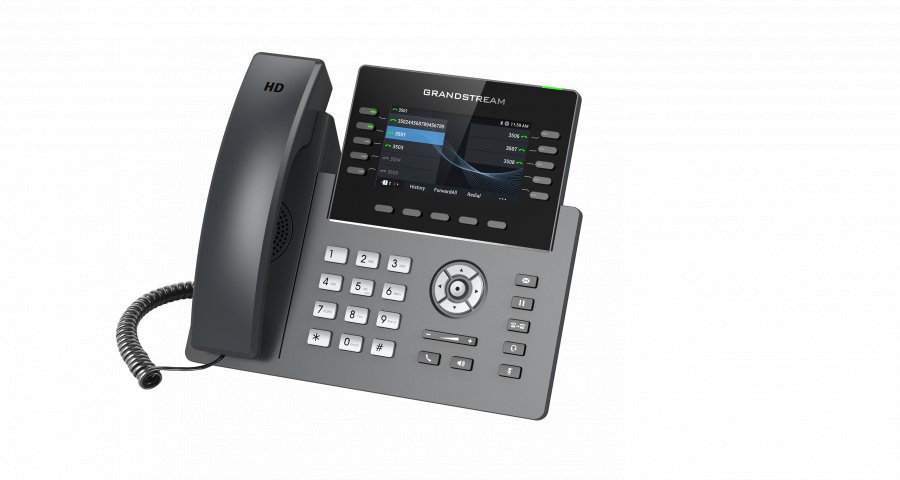
Grandstream’s range of telephony devices is designed to meet the diverse needs of organizations, from small offices to large-scale deployments. Their IP phones, particularly the GRP series, combine sleek, modern design with robust functionality. These devices support high-definition audio, programmable keys, and customizable interfaces, transforming them into versatile tools that can be tailored to various roles within a business. Built for easy scaling, they enable rapid deployment across multiple locations, helping organizations expand without sacrificing efficiency or consistency.
A key strength of Grandstream’s offerings lies in their support for large-scale deployment. Their IP phones are durable and feature a modular architecture that simplifies configuration. With pre-configured, mass-producible devices, teams can quickly roll out standardized hardware that’s ready to use right out of the box. Features like multi-line support and multiple SIP account integration make these phones adaptable to different workflows, whether used for sales, support, or executive communications. This flexibility ensures that each device serves a purpose while maintaining a consistent user experience.
Complementing their hardware are Grandstream’s Device Management System (GDMS), which provides a centralized platform for managing all endpoints. From a single dashboard, administrators can remotely provision, configure, and monitor thousands of devices. This remote management capability dramatically reduces deployment times, minimizes errors, and guarantees uniformity across multiple sites. Firmware updates, security patches, and troubleshooting can be handled seamlessly without the need for on-site visits, making scaling operations more efficient and less resource-intensive.
Grandstream’s devices also emphasize cloud management, supporting flexible, scalable setups that suit today’s hybrid work environments. Cloud-based control allows organizations to add, remove, or modify devices on the fly, with updates and security patches pushed remotely to ensure systems stay current and protected. This approach minimizes downtime and provides the agility needed to adapt quickly to changing business demands, whether for remote teams or dispersed offices. The ease of remote management makes it easier to maintain performance consistency across all locations.
Many of Grandstream’s IP phones come equipped with advanced features that enhance personalization and user experience. Programmable soft keys enable instant access to frequently used functions, while high-resolution screens and intuitive interfaces simplify device interaction. These features allow businesses to customize devices according to specific workflows, improving efficiency and making daily tasks smoother. Whether it’s quick dialing for sales teams or call queue management for support, these customizable options turn standard phones into powerful communication hubs.
Overall, Grandstream’s device portfolio stands out for its combination of flexibility, scalability, and ease of management. Their solutions are designed to grow with your business, supporting current needs while providing a clear path for future expansion. With powerful management tools like GDMS and cloud integration, deploying, maintaining, and customizing telephony systems becomes straightforward and cost-effective. This comprehensive approach helps organizations build reliable, efficient, and personalized communication networks that boost productivity and support long-term growth.