What if the greatest strength isn’t measured by trophies or territorial gains but by the resilience and discipline within? Marcus Aurelius exemplified this paradox, showing that true power lies in mastering oneself amidst chaos—war, plagues, and political turmoil—rather than external conquest. His life invites us to reconsider leadership and success through the lens of inner virtues: patience, humility, and moral clarity. While society often celebrates visible achievements, Aurelius’s Stoic philosophy reveals that enduring influence stems from cultivating inner discipline, which creates a fortress that external upheavals cannot breach. Could this inward focus be the true legacy of strength, inspiring us to prioritize moral mastery over fleeting victories? This perspective challenges conventional notions of power, urging us to build an inner empire of resilience that lasts beyond external triumphs, fostering a profound and lasting impact rooted in character rather than conquest.
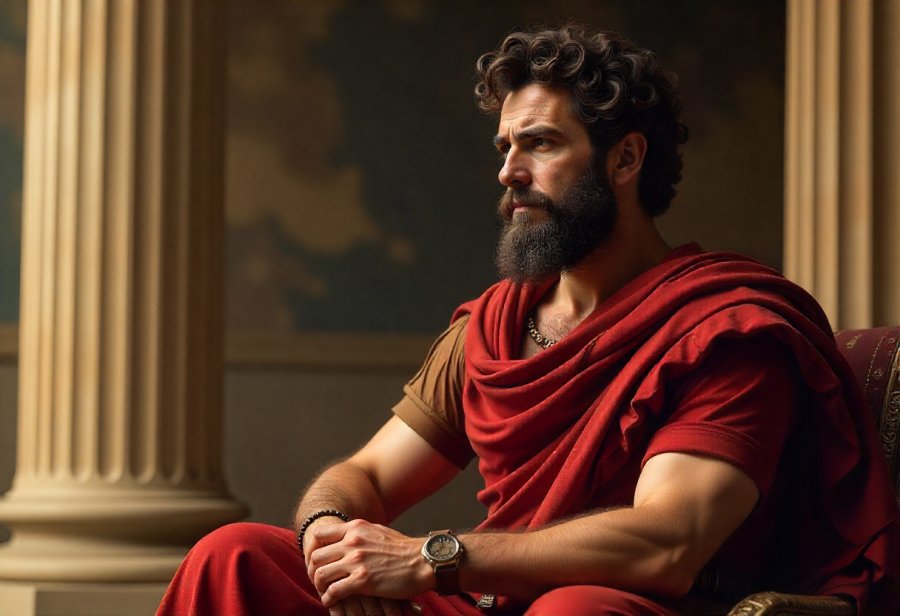
Unveiling True Power: Inner Discipline Over External Triumphs
Throughout history, society has often celebrated strength by what’s visible—military victories, territorial expansion, or material wealth. Leaders who conquer lands or amass riches are celebrated as powerful, their achievements displayed for everyone to see. But what if true strength isn’t about what’s on the surface? What if the deepest kind of power comes from within—through discipline, resilience, and moral clarity? This question challenges us to look beyond external accomplishments and consider a different kind of greatness rooted in self-mastery rather than outward success.
Marcus Aurelius offers a compelling example of this inward focus. As Roman Emperor during a tumultuous period filled with wars, plagues, and political chaos, he faced challenges that tested anyone’s resolve. Instead of relying solely on military might or imperial authority, he emphasized inner resilience and philosophical insight. His writings in Meditations reveal a man who prioritized self-control, moral virtue, and calm judgment above all else. His life suggests that genuine strength is cultivated within, forming an internal fortress that external circumstances cannot easily breach.
This idea runs counter to traditional views of power that focus on domination and external achievement. It highlights that real strength is about mastering reactions, desires, and fears—qualities that don’t fade when external fortunes change. Marcus’s example shows that resilience isn’t about suppressing emotions but understanding and managing them wisely. Developing this inner discipline creates a mental and moral stability that endures through life’s storms, making it a power that grows stronger the more it’s practiced.
Inner discipline also involves pursuing wisdom—knowing how to act rightly amid complex situations. It’s about clarity of purpose and moral integrity, which guide decisions even when external pressures tempt us to stray. Marcus’s writings emphasize that true strength stems from aligning actions with moral principles, not from external displays of power. This inner clarity acts as a steady compass, helping us navigate chaos with calm and purpose.
Building resilience isn’t a one-time achievement but an ongoing effort rooted in daily habits. Practices like journaling, mindfulness, and deliberate reflection reinforce our capacity for self-control. Recognizing moments when impulsive reactions threaten our inner peace provides opportunities for correction. Over time, these routines become second nature, cultivating a resilient mindset that remains calm and clear—even during life’s inevitable upheavals. Marcus’s life reminds us that inner discipline is a continuous journey, not a destination.
In essence, true strength is less about external success and more about inner mastery. Marcus Aurelius’s example shows that resilience, virtue, and calm judgment form a foundation that withstands external chaos. Cultivating these qualities through daily effort transforms our understanding of power—from fleeting victories to lasting influence rooted in character. Inner discipline, when practiced consistently, becomes the greatest empire we can build—one that endures beyond any external conquest.
Philosophy of Inner Strength: Resilience, Wisdom, and Virtue
Inner strength is fundamentally about resilience—the ability to stand firm amid adversity and maintain a steady course regardless of external chaos. Different philosophical traditions highlight this quality, but Stoicism offers a particularly clear and practical blueprint. For Marcus Aurelius and other Stoics, developing self-control, rationality, and emotional resilience forms the core of true strength. It’s not about suppressing feelings but understanding and managing them so they serve us rather than control us.
Resilience in this context goes beyond simply bouncing back from setbacks; it’s about cultivating a mindset that remains unshaken when circumstances shift—whether through hardships, losses, or turmoil. This involves exercising discipline over impulses, passions, and reactions. Marcus’s daily reflections and disciplined routines exemplify how consistent effort in these areas builds mental toughness. The more we practice controlling our reactions, the more resilient we become, creating an internal fortress capable of withstanding life’s storms without breaking apart.
At the heart of inner discipline lies the pursuit of wisdom. This isn’t just about acquiring knowledge but understanding how to apply virtue in everyday life. Wisdom provides clarity of purpose, helping us act rightly even when external conditions tempt us to stray. Marcus Aurelius’s writings emphasize that true strength comes from aligning our actions with moral principles, not from external displays of power. This inner clarity guides us through complex situations with steadiness and integrity, serving as a moral compass that keeps us centered.
Developing emotional resilience is equally vital. Emotions are natural, but Stoics teach that they shouldn’t dominate our judgment. Instead, emotions should be acknowledged, examined, and directed in line with reason. Marcus often wrestled with feelings like anger and frustration but aimed to understand these emotions and respond virtuously. This practice of emotional regulation strengthens inner resolve and fosters a stable character that remains composed under pressure, reinforcing that our inner strength is built through mindful effort.
Building resilience is an ongoing process rooted in daily habits. Practices like journaling, mindfulness, and deliberate reflection reinforce our capacity for self-control. Recognizing moments when impulsive reactions threaten inner peace offers opportunities for correction. Over time, these routines become second nature, cultivating a resilient mindset that remains calm and clear—even during life’s inevitable upheavals. Marcus’s example demonstrates that inner discipline isn’t a one-time achievement but a continuous journey of growth, shaping a character that endures regardless of external circumstances.
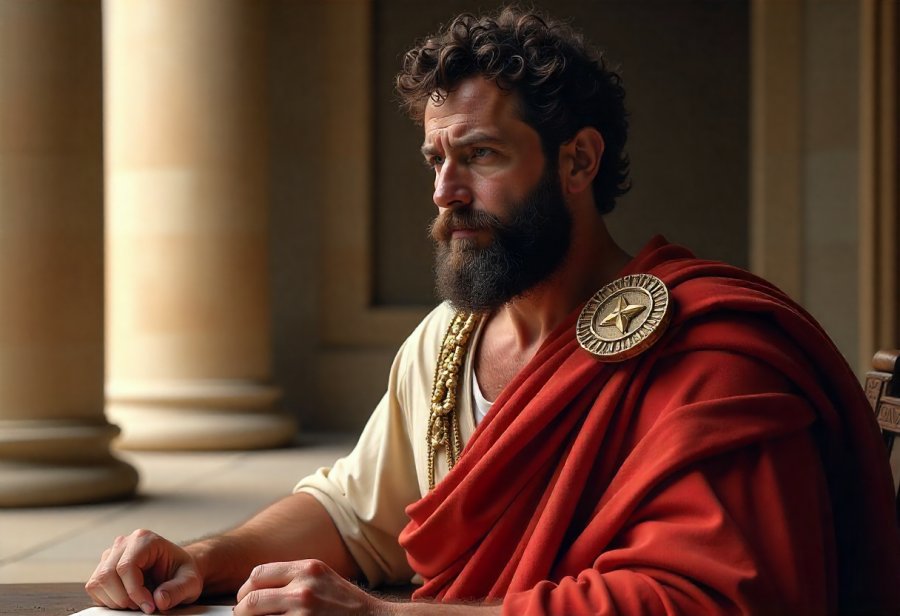
Conquest vs. Mastery: The Battle for Lasting Power
External conquest and internal mastery represent two fundamentally different ways of defining power, and understanding their differences reveals much about what true strength really entails. Conquest relies on outward displays—armies, borders, riches, and symbols of dominance that are visible and easy to measure. Leaders focused on expanding territories or accumulating wealth often celebrate these accomplishments as signs of strength. These victories bring quick recognition and tangible results, but they’re inherently fragile—easily lost when circumstances shift or defeat strikes.
In contrast, internal mastery is rooted in self-control, moral integrity, and mental resilience. It’s a quieter, more enduring form of power—built from virtues rather than possessions. When a leader governs themselves well—exercising patience, humility, and clarity—they create a strength that isn’t dependent on external factors. Marcus Aurelius exemplified this approach, emphasizing inner resilience over external triumphs. His leadership was rooted in moral clarity and self-awareness, which inspired trust far more than territorial gains ever could.
The danger of relying solely on external conquest is that it’s inherently unstable. Empires rise and fall; armies are defeated; fortunes change with a single event. History is full of figures whose legacies crumbled because they prioritized outward symbols of power over inner virtues. The Roman Empire, at its peak, was built on conquest, yet internal decay and external pressures eventually led to its decline. This pattern suggests that external power, no matter how grand, cannot match the durability of inner strength.
Meanwhile, cultivating internal discipline provides a foundation that can adapt and endure through adversity. Leaders who develop resilience and virtue gain a steadiness that remains intact despite external upheavals. This inner strength isn’t flashy or seeking applause; it influences others through example. Marcus’s writings demonstrate that a ruler’s true influence lies in mastery of his own mind and character, not in territorial expansion. This quiet confidence fosters loyalty and respect built on authenticity.
Focusing only on external achievements also risks fostering arrogance or complacency. When success is measured by visible signs—like armies or wealth—it can lead to overconfidence and moral neglect. Inner discipline, on the other hand, encourages humility and continuous growth. It reminds us that true strength isn’t about dominating others but about mastering ourselves. Leaders who understand this inspire trust and loyalty, not through superficial displays but through genuine virtue.
In the end, the contrast between external conquest and internal mastery highlights that real strength is rooted in the latter. External victories may impress temporarily, but inner discipline sustains influence and respect over the long term. Marcus Aurelius’s life reminds us that a leader’s true legacy is built on inner virtues—patience, humility, and clarity—more than on fleeting conquests. Recognizing this shifts our view of power from external achievements to lasting inner virtues, the real marks of authentic strength.
Living Inner Discipline: Daily Practices That Shape Resilient Leaders
Inner discipline isn’t just a lofty ideal; it reveals itself in the small, everyday choices we make. Simple routines like mindful breathing, journaling, or pausing before reacting help build resilience and clarity over time. When faced with stress or temptation, taking a moment to center ourselves and stick to our long-term values reinforces mental strength. These small acts, repeated daily, forge a sturdy foundation of self-control that shapes how we respond to life’s inevitable ups and downs.
For leaders, inner discipline manifests in consistency and integrity. When decisions are guided by calm reflection rather than impulsiveness, it inspires trust and confidence among followers. Marcus Aurelius exemplified this in his leadership—maintaining inner calm amid external chaos and sticking firmly to his principles. Such steadiness earns respect not through force but through moral authority, proving that true influence comes from moral strength rather than external power.
Communities and organizations also thrive when inner discipline is woven into their culture. Promoting values like patience, honesty, and self-regulation fosters stability and fairness. Schools that emphasize character alongside academics shape resilient individuals, while governments that prioritize moral integrity build trust and social cohesion. When collective routines—like shared reflection or community service—become the norm, they create environments capable of weathering crises and upheavals, showing that inner strength is a collective asset.
Building inner discipline requires ongoing effort. Daily habits like journaling thoughts, practicing mindfulness, or setting clear intentions gradually strengthen mental resilience. Recognizing moments when impulsive reactions threaten our peace offers opportunities for correction. Over time, these routines become second nature, allowing us to stay calm and composed even when external circumstances are turbulent. The key is viewing discipline as a continuous journey, not a one-time achievement.
Marcus Aurelius’s example reminds us that this mastery isn’t achieved through grand gestures but through persistent, mindful effort. Regular reflection and deliberate self-awareness reinforce our capacity to remain resilient and morally grounded. This steady practice doesn’t just bolster personal strength; it influences leadership and societal trust, creating a ripple effect of stability and integrity.
When individuals and communities commit to these virtues daily, patience, humility, and self-control become contagious. These qualities foster environments where trust and moral strength flourish, even during difficult times. The quiet persistence of inner discipline may go unnoticed at first, but it builds a durable foundation of influence that endures beyond external upheavals.
Marcus Aurelius demonstrated that inner mastery—practiced consistently—is the most reliable source of power. It’s a form of strength rooted in virtues that grow stronger through daily effort. By cultivating inner discipline, we create an empire within ourselves that can withstand storms, inspire others, and leave a lasting legacy of integrity and resilience.
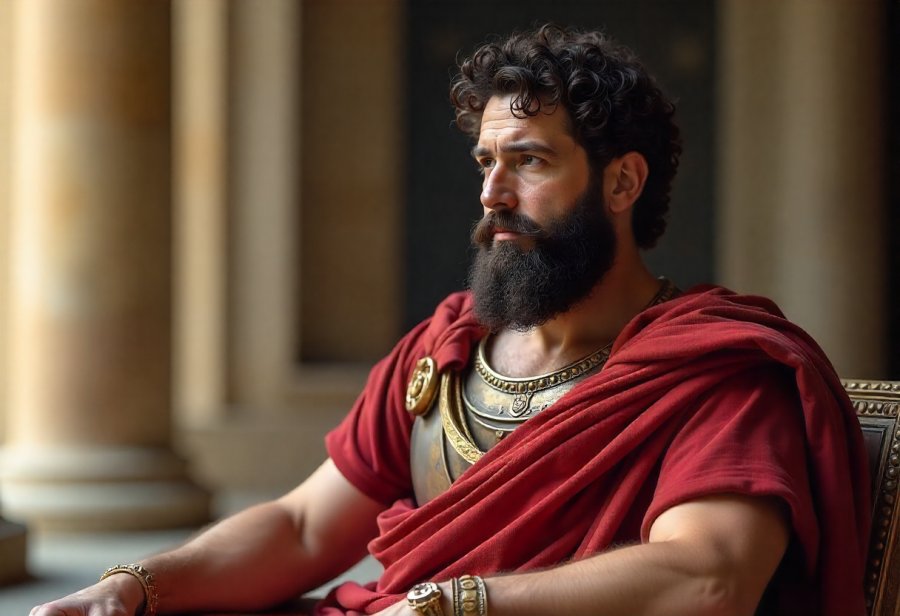
Wisdom as Power: Cultivating an Unshakeable Inner Empire
Inner discipline and wisdom form the true foundation of genuine strength. Marcus Aurelius’s life and writings remind us that external achievements, no matter how grand, are fleeting. What endures is the inner mastery we cultivate—our ability to stay calm, act with virtue, and remain resilient in the face of adversity. Wisdom guides us to navigate life’s challenges with clarity and moral integrity, ensuring that our actions are aligned with our deepest values. When inner discipline is rooted in wisdom, it becomes the steady force that sustains us beyond external success or failure.
This inner strength doesn’t shout or seek recognition; it quietly influences and inspires. It shapes a character capable of weathering storms, making thoughtful decisions, and leading with integrity. Marcus’s example shows that a leader’s legacy isn’t built on conquests or titles but on the inner virtues—patience, humility, and clarity of purpose—that are practiced daily. These virtues serve as a moral compass, helping us act rightly even in chaos and temptation. The strength born from wisdom and discipline becomes unbreakable, providing a moral anchor amid external upheaval.
Choosing inner discipline over external conquest shifts our view of power from fleeting material gains to the cultivation of a well-formed mind and character. This inner power is more reliable because it’s rooted in moral virtue rather than validation from the outside world. It’s the difference between a leader who commands respect through fear or force and one who inspires loyalty through authenticity and moral strength. Marcus Aurelius demonstrated that true leadership begins within, with mastery of oneself. When we develop this inner strength, we build a foundation that cannot be shaken by external chaos.
Inner discipline and wisdom are not static qualities—they require ongoing effort and reflection. Daily habits like mindfulness, journaling, and moral self-examination deepen our resilience and clarity. These practices help us stay aligned with our values, especially when external circumstances push us toward impulsiveness or despair. Over time, this consistent effort creates a character that remains steady and morally grounded, regardless of external events. It’s a lifelong journey of growth, one that fortifies us against the inevitable storms of life.
The influence of inner discipline extends beyond individual resilience; it shapes how we lead and serve others. Leaders grounded in virtue foster environments of trust, stability, and moral integrity. Societies built on these principles are more capable of weathering crises and upheaval because their strength lies in shared values and collective inner resilience. Marcus Aurelius’s example reminds us that the most enduring power is rooted in the virtues we practice every day, not in fleeting external rewards.
When we prioritize inner discipline and wisdom, we cultivate an inner empire that remains strong regardless of external circumstances. This inner strength radiates outward, inspiring confidence and trust in others. It’s a power that grows through effort and reflection, not through superficial displays. Marcus understood that the greatest leader is one who masters himself—whose internal virtues outshine external conquests and leave a lasting legacy.
Ultimately, embracing inner discipline and wisdom transforms the way we approach life and leadership. It shifts our focus from chasing external validation to nurturing the virtues that define true strength—patience, humility, clarity, and resilience. These qualities become our guiding light, helping us navigate chaos with calm confidence. The legacy of Marcus Aurelius reminds us that within each of us lies the potential for a lasting, unshakable power—one rooted in moral virtue and self-mastery, capable of enduring beyond any external storm.