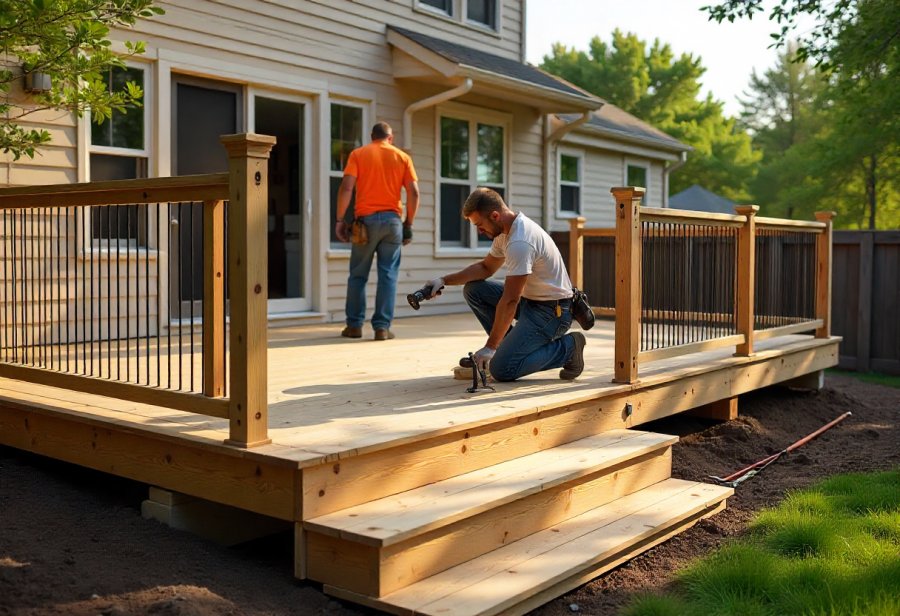
Transforming Toronto yards into eco-friendly retreats isn’t just about aesthetics—it’s a delicate balancing act between beauty, sustainability, and client satisfaction. How can homeowners achieve vibrant, resilient landscapes that support local ecosystems while expressing personal style? This guide explores innovative strategies, from native plantings and rain gardens to permeable pavements and recycled materials, all designed to withstand Toronto’s seasonal extremes. It emphasizes that thoughtful design can seamlessly integrate ecological principles with visual appeal, creating outdoor spaces that are both low-maintenance and environmentally responsible. Implementing these practices requires careful planning, site assessment, and ongoing care, but the results—a lush, sustainable haven—are worth the effort. Looking ahead, advances in smart technology and eco-conscious materials promise even more resilient, versatile landscapes. As urban environments grow greener, this approach not only elevates property value but also fosters biodiversity and urban well-being, proving that responsible landscaping can be beautiful, functional, and vital for a sustainable future.
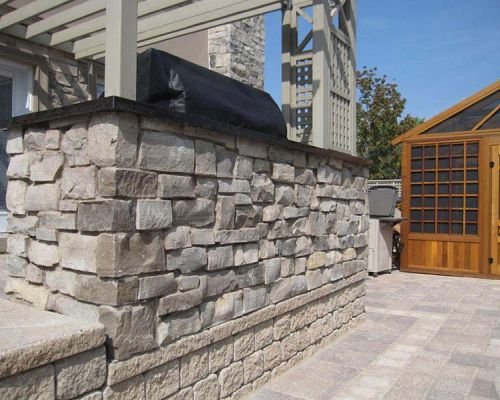
Transform Your Toronto Yard into a Beautiful Eco-Friendly Sanctuary
Transforming Toronto yards into inviting outdoor retreats goes beyond curb appeal—it’s about creating personal spaces that seamlessly blend beauty with sustainability. In a city known for its diverse climate and dense urban environment, designing landscapes that are both stunning and eco-friendly is more important than ever. A thoughtfully crafted yard can become a peaceful sanctuary for relaxing evenings or a lively gathering spot for friends and family, all while supporting local ecosystems and reducing environmental impact.
The potential for meaningful yard transformations is significant. With limited space and climate variability, Toronto homeowners are embracing innovative ideas like native plantings, rain gardens, and sustainable hardscaping materials. These elements make even small yards vibrant and functional, encouraging resilience through all seasons. Each project reflects a commitment to environmental stewardship—demonstrating that beauty and responsibility can go hand in hand.
Achieving this balance starts with a shift in how we view landscape design. It’s about finding that sweet spot where visual appeal meets eco-conscious practices. Selecting plants suited to Toronto’s climate, using recycled or locally sourced materials, and incorporating water-efficient features all contribute to creating landscapes that are both eye-catching and sustainable. When these principles come together, yards become resilient, low-maintenance havens that enhance the quality of urban life.
Transforming outdoor spaces into eco-friendly retreats also benefits the broader community. Native plants support pollinators and local wildlife, while stormwater management features like rain gardens reduce runoff and prevent flooding. These efforts support biodiversity, improve air quality, and foster healthier neighborhoods. Each yard becomes a small but impactful act of environmental care—a model for others to follow.
Many Toronto homeowners now see their yards as more than decorative patches of grass; they’re personal retreats that reflect eco-conscious values and style. Designing such spaces involves understanding local conditions, embracing native plants, and choosing sustainable materials. The result is a landscape that’s not only beautiful but also resilient, environmentally responsible, and built to last.
Starting the journey toward a sustainable yard begins with a clear vision and a commitment to eco-friendly principles. Incorporating native plants, water-saving features, and sustainable materials transforms a simple backyard into a vibrant part of a healthier urban environment. Every successful transformation inspires others, contributing to a city-wide movement toward greener, more inviting outdoor spaces that enrich daily life and support ecological health.
Master the Essential Principles of Landscape Design in Toronto
Understanding the fundamentals of landscape design in Toronto starts with appreciating the city’s unique climate. Toronto experiences four distinct seasons, from cold, snowy winters to hot, humid summers, which directly influence plant choices and landscape maintenance. Native plants are especially valuable here because they’re naturally adapted to these conditions, requiring less water, fertilizers, and pesticides. This not only makes yards easier to care for but also supports a more sustainable, eco-friendly approach.
Over time, Toronto’s landscape style has shifted from formal, European-inspired gardens to more natural and resilient designs. Today’s focus is on creating landscapes that support local biodiversity and withstand seasonal changes. Incorporating native species, rain gardens, and permeable hardscapes helps yards manage stormwater, stay vibrant year-round, and reduce the environmental footprint. This approach reflects a broader commitment to sustainability, blending beauty with practicality.
Design principles such as harmony, balance, and purpose are central to effective landscape planning. A well-designed yard combines elements like plants, stones, and water features in ways that feel natural yet intentional. Harmony ensures all components work together seamlessly, while balance creates visual stability. Functionality is equally important—landscapes should serve how homeowners want to use their outdoor spaces, whether for relaxing, gardening, or entertaining.
Choosing native plants is a cornerstone of sustainable landscaping. These species are best suited to Toronto’s climate, making them more resilient and requiring fewer resources. They also support pollinators and local wildlife, helping to establish a balanced ecosystem within the yard. Drought-tolerant plants and rain gardens further reduce water use and help manage heavy rains, making landscapes more resilient and eco-friendly.
Toronto’s landscape innovations—like rain gardens and permeable paving—go beyond aesthetics. They naturally handle stormwater, reducing runoff and preventing urban flooding. Eco-friendly materials, energy-efficient lighting, and native plantings all contribute to a landscape that is easier to maintain, durable across seasons, and environmentally responsible. These practices demonstrate how thoughtful design can turn a simple yard into a thriving, sustainable outdoor space.
Understanding the site is crucial. Soil quality, sunlight exposure, and drainage influence plant health and feature placement. Conducting a thorough assessment helps identify the best opportunities for eco-friendly improvements, ensuring the landscape is tailored to Toronto’s environment. This practical knowledge guides choices that promote long-term resilience, low maintenance, and harmony with nature.
Incorporating sustainable principles into your landscape is about more than selecting the right plants and materials. It’s about designing a space that works with nature, supporting healthy growth and ecological balance. When you align your design with Toronto’s environmental needs, your yard remains vibrant through all seasons, reducing resource use and fostering biodiversity. This approach makes your outdoor space a true reflection of responsible, resilient landscaping.
Ultimately, a solid understanding of local climate, native plants, and sustainable practices empowers homeowners to create outdoor retreats that are both beautiful and durable. When these elements are integrated thoughtfully, yards become vibrant ecosystems that support urban wildlife, improve air quality, and contribute to a healthier city. Knowledge combined with intentional design transforms everyday outdoor spaces into sustainable, inspiring retreats that stand the test of time.
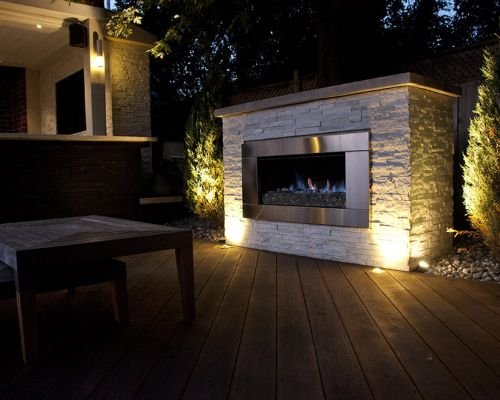
Strategies to Harmonize Beauty and Sustainability in Your Outdoor Space
Balancing beauty and sustainability in landscape design is about weaving eco-friendly practices into the aesthetic fabric of your yard. The foundation begins with choosing native plants that naturally thrive in Toronto’s climate. These species require less water, fertilizers, and pesticides, which means a greener yard that’s easier to maintain and more supportive of local ecosystems. Native plants also provide vital habitat for pollinators, adding vibrancy and resilience to your outdoor space.
Incorporating features like rain gardens and permeable pavements elevates both form and function. Rain gardens capture stormwater, allowing it to soak into the ground naturally, reducing runoff and preventing urban flooding. Permeable surfaces, like gravel or specially designed pavers, serve the same purpose while adding visual interest. These elements turn practical stormwater management into focal points that enhance your yard’s overall beauty.
Eco-friendly materials are another key ingredient. Reclaimed stone, recycled wood, and sustainably sourced hardscapes can give your landscape character while minimizing environmental impact. When thoughtfully selected, these materials blend seamlessly with native plantings and other design features, creating a cohesive, inviting environment that ages gracefully.
Designing multifunctional spaces also plays a vital role. Combining seating areas, shaded retreats, and green walls creates a yard that’s both beautiful and versatile. These features invite outdoor living and entertainment, making your space more engaging without sacrificing sustainability. By carefully planning how each zone serves your needs, you foster a sense of harmony that feels natural and effortless.
Simplicity and coherence keep the landscape approachable and manageable over time. A clean, balanced design with a harmonious color palette ensures every element complements the next. Clutter-free layouts emphasize natural forms, making the yard feel expansive and calming. This clarity encourages ongoing maintenance and helps your landscape look polished through every season.
Smart use of lighting and water features can elevate your landscape’s appeal while supporting eco-friendly goals. LED lighting minimizes energy consumption, while drip irrigation conserves water. Green walls or vertical gardens maximize small spaces and add visual interest, transforming even modest yards into lush retreats. These touches show that thoughtful details make a significant difference.
Maintaining the balance requires ongoing attention. Organic fertilizing, regular pruning, and efficient watering keep your landscape healthy and vibrant long-term. Monitoring how features perform across seasons allows you to fine-tune your approach, ensuring your yard remains both stunning and sustainable. This proactive care sustains the integrity of your design and minimizes environmental impact.
By integrating these strategies, your yard becomes a reflection of thoughtful, responsible design. It’s not just about aesthetics—it’s about creating a resilient, eco-conscious space that supports local biodiversity and climate resilience. When beauty and sustainability work hand in hand, your outdoor retreat transforms into a source of pride, comfort, and environmental stewardship.
Turning Sustainable Landscape Concepts into Vibrant Reality
Turning sustainable landscape ideas into reality requires careful planning from the very beginning. It starts with translating the homeowner’s vision into a clear, eco-friendly blueprint that prioritizes sustainability. Selecting native plants, eco-conscious materials, and water-efficient features early on lays a strong foundation. Conducting a detailed site assessment—examining soil quality, sunlight, and drainage—helps identify the best opportunities for green solutions like rain gardens or permeable paving. These features not only manage stormwater naturally but also serve as attractive focal points that enhance the overall design.
During installation, close coordination with the project team ensures everything aligns with the original plan. Using recycled materials and minimizing waste keeps the process environmentally responsible. Durable, weather-resistant hardscapes are essential to withstand Toronto’s variable climate, reducing the need for repairs and replacements over time. Maintaining open communication with clients throughout the process helps manage expectations and allows for adjustments, ensuring the final result matches the envisioned landscape and the homeowner’s eco-conscious goals.
Incorporating eco-friendly practices during installation can be seamless. Prioritizing organic soil amendments rather than chemical fertilizers supports healthy plant growth without harming the environment. Installing energy-efficient outdoor lighting and native plants further reduces the landscape’s ecological footprint. These choices create a resilient yard that requires less ongoing maintenance and fewer resources, embedding sustainability into every aspect of the landscape’s development.
Many successful Toronto projects demonstrate how thoughtful planning and eco-conscious decisions produce stunning, functional outdoor spaces. Combining native plant beds with permeable paving not only reduces runoff but also enriches the visual appeal. Incorporating rain gardens alongside energy-efficient lighting and recycled materials results in vibrant, stormwater-smart landscapes that stand the test of time. These projects prove that well-executed sustainable design elevates outdoor spaces into beautiful, practical retreats.
Challenges such as limited space or balancing client expectations with eco-friendly goals are common during implementation. Overcoming these hurdles involves clear communication and educating clients on the long-term benefits of sustainable choices. Creative solutions like vertical gardens or compact native plantings maximize space without compromising environmental principles. Staying flexible and innovative ensures each project remains true to its eco-conscious intent while fulfilling practical needs, turning visions into thriving, responsible outdoor environments.
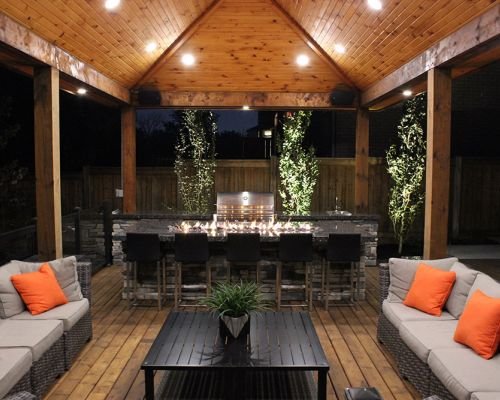
Envisioning the Future of Resilient, Eco-Conscious Outdoor Spaces in Toronto
Creating outdoor spaces in Toronto that are both beautiful and sustainable is becoming more achievable, thanks to thoughtful design and eco-conscious practices. As we look ahead, innovative approaches like native plantings, stormwater management solutions, and smart technology will continue to shape resilient, functional, and inspiring landscapes. The key lies in ongoing collaboration—homeowners, designers, and communities working together to foster environments where nature and urban life thrive side by side.
Native plants are essential allies in this effort. They flourish naturally in Toronto’s climate, require less water and maintenance, and support local biodiversity. When combined with features like rain gardens and permeable pavements, they help manage stormwater effectively while elevating the visual appeal of outdoor spaces. These strategies prove that beauty and responsibility can coexist, creating landscapes that remain vibrant and resilient across seasons with minimal resource input.
Looking to the future, landscape design in Toronto will emphasize innovative, eco-friendly solutions aligned with evolving client needs. Smart technology, such as automated irrigation systems and energy-efficient lighting, will optimize resource use and reduce environmental impact. Clients increasingly seek versatile, low-maintenance landscapes that combine natural elements with modern features—think green walls, outdoor kitchens, and sustainable water systems. As climate resilience becomes a priority, designers will adopt adaptive strategies that incorporate native plants, renewable materials, and eco-conscious principles at every stage.
This shift extends beyond aesthetics; it’s a commitment to supporting health, well-being, and ecological balance. Each successful project sets a standard, encouraging more homeowners to view their yards as active contributors to a healthier city. When sustainability is woven into the fabric of landscape design, outdoor retreats become vital parts of Toronto’s urban ecosystem, fostering biodiversity and reducing environmental stress.
The impact of these efforts can be profound. Transformed yards serve as models of resilience, demonstrating that responsible landscaping enhances property value, beautifies neighborhoods, and deepens our connection to nature. The future of outdoor spaces hinges on a balanced approach—where visual appeal and ecological stewardship strengthen each other. Embracing ongoing innovation and collaboration will ensure outdoor environments that are not only stunning today but sustainable for generations to come.
Every yard transformed into a vibrant, eco-friendly retreat advances a shared vision of a greener, healthier Toronto. It’s a collective journey driven by continuous education, creativity, and a genuine desire to make a difference. When homeowners and designers work hand in hand, they turn visions into realities—outdoor spaces that uplift spirits and protect the environment simultaneously. These efforts pave the way for a future where urban living and ecological health go hand in hand, making outdoor spaces inspiring, resilient, and truly reflective of our commitment to a more sustainable planet.