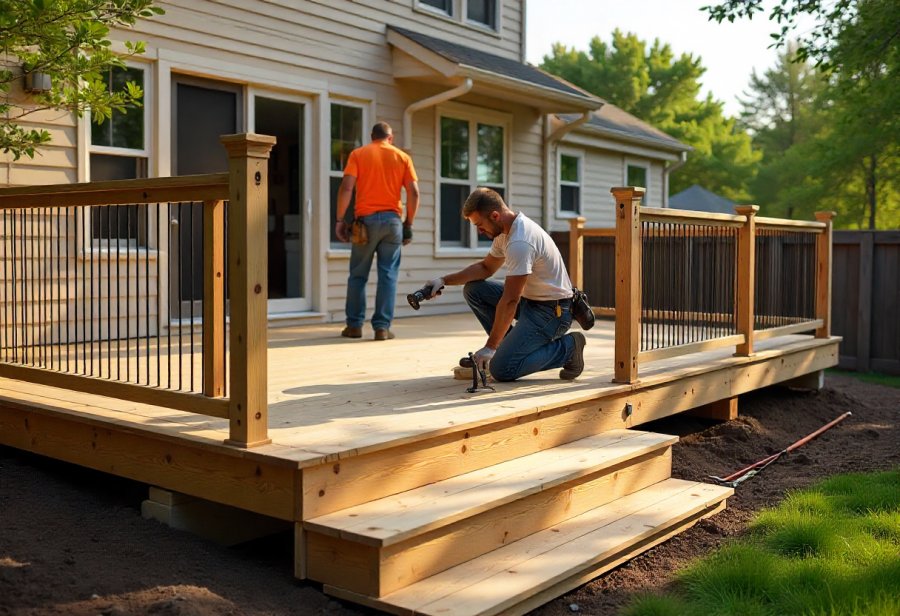
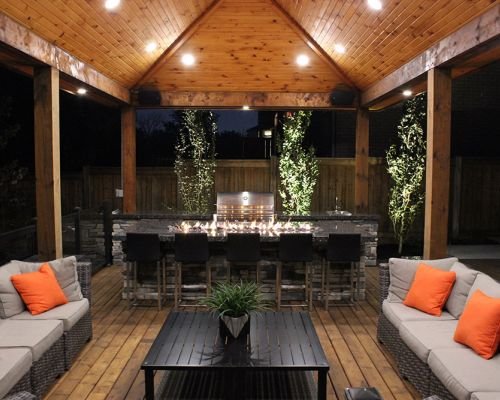
Building a custom deck transforms outdoor spaces into stunning retreats, yet why do many projects fall short of perfection despite expert craftsmanship? This comprehensive guide explores the delicate balance between innovative design, high-quality materials, and meticulous execution. While skilled carpenters can elevate a deck into a durable masterpiece, oversight in planning, material choice, or site preparation can compromise its longevity and beauty. From evaluating your yard’s unique features to selecting eco-friendly, weather-resistant materials and integrating smart technology, every decision influences the outcome. Are trendy innovations and sustainable options enough to guarantee lasting satisfaction, or do they introduce new challenges? The roadmap emphasizes careful planning, precise construction, and thoughtful design—essential for creating an outdoor haven that withstands the test of time. Ultimately, the secret lies in harmonizing craftsmanship, cutting-edge trends, and personal style—ensuring your deck remains both breathtaking and enduring for years to come.
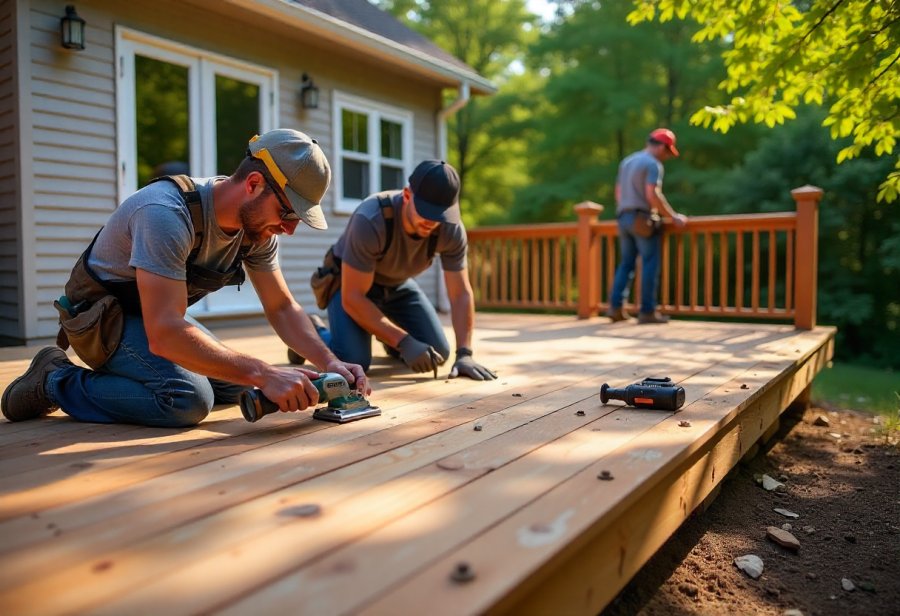
Transform Your Backyard: The Art of Custom Deck Building
Building a custom deck transforms an ordinary backyard into a personal outdoor retreat. It’s more than just a structure—it’s an extension of your home, designed to reflect your style and enhance your lifestyle. Unlike off-the-shelf options, a bespoke deck is tailored to your specific space, needs, and aesthetic preferences, making it a truly unique feature that elevates your outdoor living experience.
This process begins with careful planning. Assessing your yard’s slope, drainage, and sunlight exposure helps create a design that fits seamlessly and performs reliably over time. Defining your goals early—whether for entertaining guests, relaxing solo, or creating a multi-level gathering space—keeps the project focused and manageable. Visualizing ideas through sketches or digital models ensures your vision takes shape with clarity and purpose.
Choosing the right materials is a crucial step. High-quality options like pressure-treated lumber or composite decking resist weathering and wear better than cheaper alternatives. Durable fasteners and weatherproof finishes add to the deck’s longevity, reducing maintenance and keeping it looking fresh for years. Proper material selection sets the foundation for a structure that’s not only beautiful but built to last.
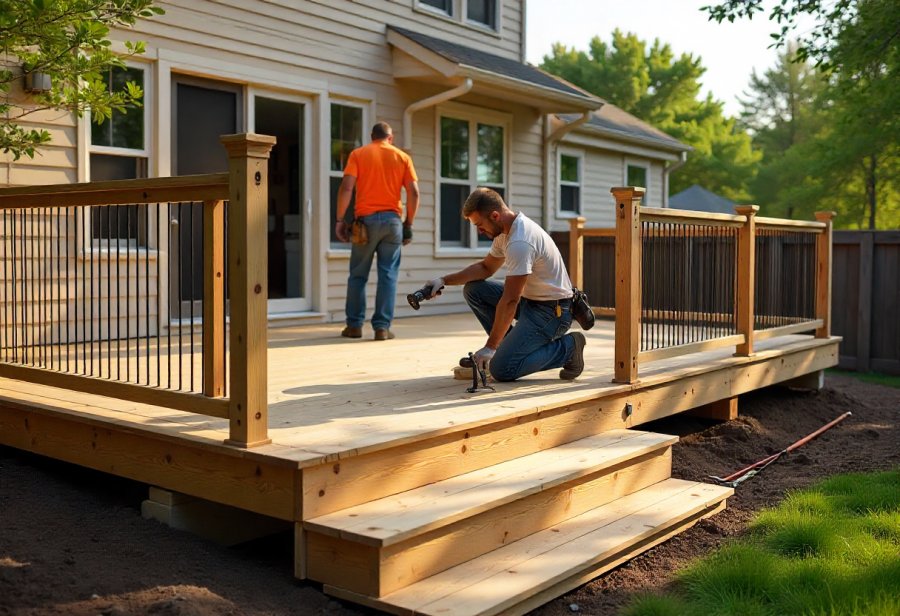
The success of a custom deck also hinges on craftsmanship. Skilled carpenters pay close attention to detail—from precise measurements to seamless joints—ensuring a stable, safe, and visually appealing result. Proper site preparation, support placement, and framing are vital to prevent future issues like shifting or water damage, making sure your deck remains sturdy and reliable.
Ultimately, a well-designed and expertly built deck becomes more than just an outdoor feature. It’s a space that invites relaxation, encourages connection, and adds value to your property. When the planning, materials, and craftsmanship come together, you create an outdoor sanctuary that’s tailored to your life and built to stand the test of time.
Key Elements That Make Your Custom Deck Stand Out
Creating a successful custom deck hinges on craftsmanship that leaves no detail overlooked. Skilled carpenters who focus on precision and high-quality work can elevate a good design into a durable, visually appealing outdoor feature. When every joint is seamless, measurements are exact, and finishes are smooth, the result isn’t just attractive—it’s built to last. Attention to these details ensures structural integrity and prevents common issues like warping, squeaking, or shifting over time.
Choosing the right materials is fundamental. Opting for weather-resistant options such as high-grade composite decking or pressure-treated lumber protects your investment against the elements. Pairing these with stainless steel fasteners and weatherproof finishes enhances durability and minimizes maintenance needs. Quality materials aren’t just about aesthetics—they are the backbone of longevity, ensuring your deck remains beautiful and functional for decades.
Design plays a vital role in balancing beauty with practicality. A visually striking deck should also serve your lifestyle—whether that means incorporating built-in seating, shaded areas, or accessible stairs. Thoughtful planning around these features creates a space that’s inviting and easy to use. When aesthetics and function align, your outdoor area becomes a seamless extension of your home and daily routine.
The construction process demands meticulous attention. Proper site preparation—including grading, leveling, and support installation—lays a foundation that prevents future problems like shifting or water damage. During framing, supports must be securely anchored and aligned, with hardware suited for outdoor conditions to resist rust. Correct spacing of boards allows for natural expansion and contraction, reducing warping or splitting. Regular inspections during construction help catch errors early, saving time and ensuring a high standard of quality.
Finishing touches like railings, lighting, and built-in features elevate the deck from a simple structure to a personalized outdoor retreat. These details require skillful execution to enhance safety, aesthetics, and longevity. When every element is crafted with care, your deck becomes a durable, beautiful space—one that reflects your style and withstands the test of time.
In the end, the key to a successful custom deck lies in the harmony of craftsmanship, material choice, and thoughtful design. Combining these elements creates a space that’s not only visually stunning but also reliable and practical. When built with care and precision, your deck will serve as a lasting haven for relaxation, entertaining, and everyday living.
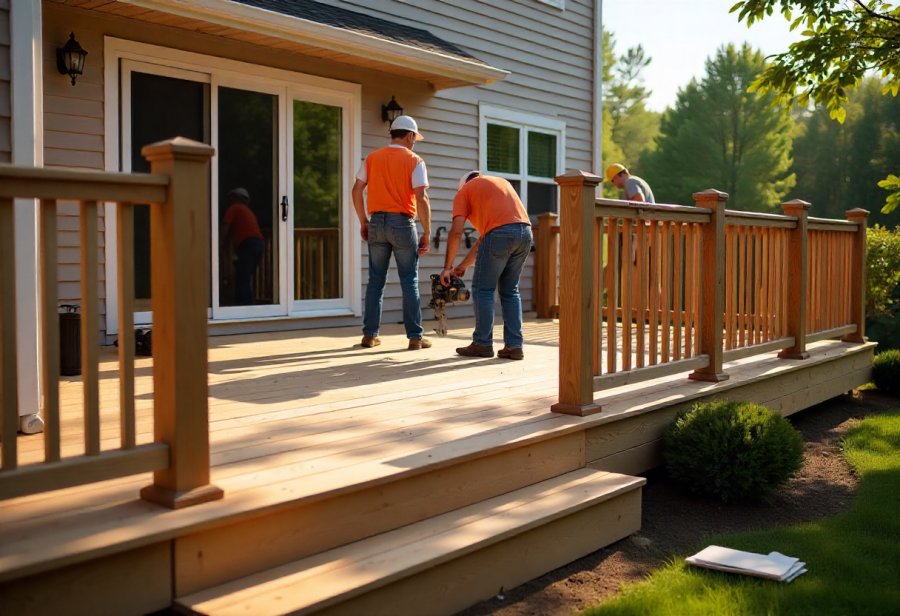
Step-by-Step Guide to Designing and Constructing Your Dream Deck
Building a custom deck begins with thorough planning that lays the groundwork for a smooth construction process. Start by evaluating your yard’s slope, drainage patterns, and sunlight exposure. Understanding these factors helps you design a deck that fits seamlessly into your space and performs reliably over time. Clear goals—such as creating a relaxing retreat, an entertaining hub, or a multi-level gathering area—keep the project focused and manageable from the outset.
Once you have a solid plan, move on to visualizing your design. Sketching ideas or using digital tools allows you to experiment with layouts, incorporate features like built-in seating or lighting, and refine the overall look. This step ensures your vision is clear, helping avoid costly changes later and aligning the project with your lifestyle and aesthetic preferences.
Material selection is equally important. Opt for durable, weather-resistant options like composite decking or pressure-treated lumber that resist fading, rot, and decay. Pair these with stainless steel fasteners and weatherproof finishes to maximize longevity. Choosing high-quality materials upfront means your deck will withstand the elements and look great for years, reducing maintenance and repairs.
Site preparation is a critical step that often gets overlooked. Clear debris, level the ground, and install sturdy supports and footings. Proper groundwork prevents issues like shifting, settling, or water damage that could compromise safety and stability. Accurate framing is essential; supports should be securely anchored and aligned, with hardware suited for outdoor conditions to resist rust and corrosion.
During construction, attention to detail makes all the difference. Use fasteners designed for outdoor use and space boards to accommodate natural expansion and contraction. Ensuring precise measurements and support placement results in a stable, smooth surface free of warps or squeaks. Regular inspections during this phase help catch and correct errors early, saving time and avoiding costly fixes later.
Finishing touches like railings, stairs, lighting, and built-in features turn a basic structure into a personalized outdoor space. These details require careful craftsmanship to ensure safety, aesthetic appeal, and durability. When executed correctly, they enhance usability and add character, making your deck a true extension of your home.
By combining meticulous planning, quality materials, and skilled execution, you create a deck that’s both beautiful and built to last. This seamless process transforms your vision into a durable outdoor retreat—ready for relaxation, entertainment, and everyday enjoyment for years to come.
Practical Tips to Kickstart Your Custom Deck Project
Starting a custom deck project can feel overwhelming, but breaking it into clear, manageable steps makes the process much smoother. Begin by checking local building codes and obtaining any necessary permits—this ensures your project is legal and avoids delays. Next, carefully assess your yard’s slope, drainage, and sunlight exposure. Understanding these factors helps you design a deck that fits seamlessly into your space and performs reliably over time.
With your site evaluated, sketch your ideas or use simple digital tools to visualize different layouts. This step allows you to experiment with configurations, incorporate features like built-in seating or lighting, and refine your overall design. Having a clear plan early on keeps the project focused and aligned with your lifestyle and aesthetic goals, saving you from costly changes later.
Material choice is equally crucial. Opt for durable, weather-resistant options such as composite decking or pressure-treated lumber that resist fading, rot, and decay. Pair these with stainless steel fasteners and weatherproof finishes to extend your deck’s lifespan. Investing in high-quality materials from the start reduces maintenance needs and ensures your outdoor space remains attractive and functional for years.
Site preparation often gets overlooked but is fundamental. Clear away debris, level the ground, and install sturdy footings and supports. Proper groundwork prevents issues like shifting, settling, or water damage that could compromise safety and stability down the line. During framing, double-check measurements and ensure supports are securely anchored and aligned. Attention to these details creates a solid foundation for your deck to withstand the elements.
As construction progresses, focus on precision. Use rust-resistant hardware and space boards to accommodate natural expansion and contraction. Ensuring accurate measurements and support placement results in a smooth, stable surface free of warps or squeaks. Regular inspections during this phase help catch errors early, saving you time and costly repairs later. When every element is crafted with care, your deck will stand strong and look great for years to come.
Future Trends and Lasting Lessons in Deck Building
Today’s trends in deck building are increasingly driven by a focus on sustainability and smarter outdoor living. Builders are turning to eco-friendly materials like recycled composites and sustainably sourced wood, which not only lessen environmental impact but also offer superior durability and low maintenance. These innovative options resist fading, staining, and decay better than traditional materials, making them a smart choice for long-term performance and aesthetics.
Alongside these material advances, integrated smart technology is transforming outdoor spaces. Automated lighting, outdoor heating, and sound systems controlled remotely are making decks more versatile and user-friendly. These features enhance comfort and convenience, turning a simple outdoor area into an extension of your modern lifestyle. Yet, balancing high tech with ease of upkeep remains a challenge for many homeowners.
Despite these advancements, some hurdles persist. Cost remains a key concern, as cutting-edge materials and smart features often come with a higher price tag. Homeowners want the latest benefits but also need to consider long-term value and affordability. Designing a deck that blends timeless appeal with modern innovations requires careful planning to avoid the risk of trendy features quickly becoming outdated.
A valuable lesson from current trends is that innovation works best when integrated thoughtfully. Smart features should complement the outdoor space without complicating maintenance or safety. Eco-friendly materials must meet performance standards to withstand harsh weather while maintaining their environmental benefits. Skilled craftsmanship remains essential—no matter how advanced the materials or technology, poor execution can undermine durability and aesthetics.
Looking ahead, the future of deck building promises even more technological and sustainable integration. Modular designs will allow homeowners to adapt and expand their decks easily over time. Manufacturing improvements will make eco-friendly, high-performance materials more accessible and affordable for complex layouts. Automation will extend beyond lighting, with climate control and watering systems seamlessly incorporated into outdoor spaces, enhancing usability and comfort.
Ultimately, successful decks will be those that balance innovation with craftsmanship and personalization. They will serve as enduring retreats, combining cutting-edge features with timeless design principles. When technology and sustainability are incorporated with care, outdoor spaces become more than just beautiful—they become practical, lasting extensions of daily life. The key is choosing features that genuinely enhance the outdoor experience without sacrificing quality or style, ensuring your deck remains a treasured part of your home for years to come.