Mastering calm, confident walks with your dog can transform your bond and daily routines, but are you truly prepared to unlock this peaceful connection? This guide dives deep into the art of leash training, emphasizing positive reinforcement, patience, and consistency to turn everyday outings into moments of trust and joy. From foundational techniques like the ‘heel’ command and managing distractions to advanced strategies for stubborn behaviors, it offers practical advice to foster resilience and self-control in your dog. The journey isn’t without challenges—reactivity, environmental triggers, and setbacks are addressed head-on with gentle, effective solutions. Building this calmness isn’t just about obedience; it’s about creating a bond rooted in mutual respect and understanding. As you implement these techniques, you’ll discover that a relaxed, joyful walk is within reach, transforming routine walks into shared experiences of connection. Are you ready to turn every walk into a peaceful, rewarding adventure?
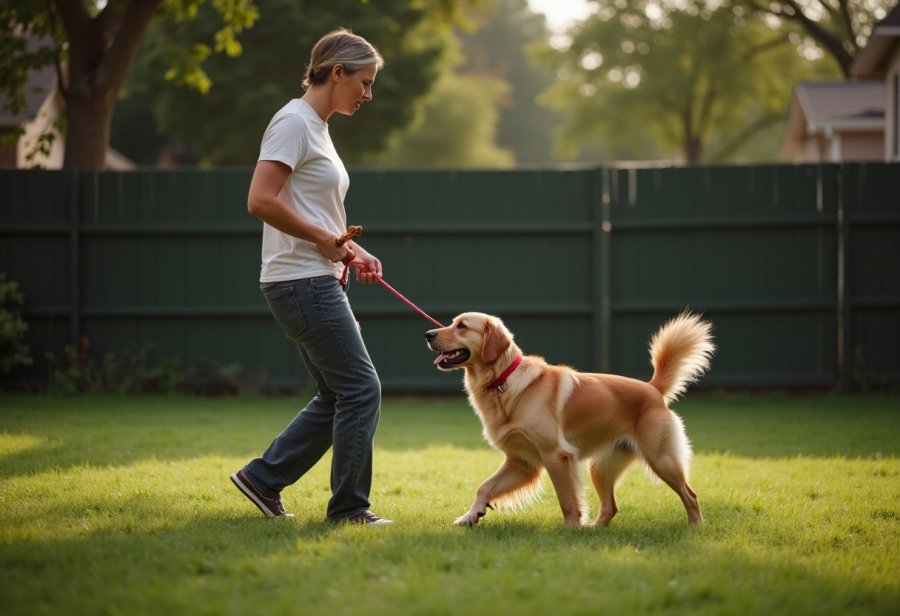
Transform Your Routine with Calm Dog Walking: A Journey to Trust and Joy
Walking calmly with your dog might seem simple, but it’s actually a skill that can transform your daily routines together. When your dog learns to walk at your side without pulling or fussing, it creates a sense of harmony that benefits both of you. Calm walks aren’t just about good behavior—they’re an opportunity to build trust, improve communication, and enjoy each other’s company without stress.
Many owners underestimate how much effort goes into teaching this kind of relaxed walking. It’s not just about keeping your dog close; it’s about guiding them to stay calm, focused, and at ease throughout the outing. When your dog feels safe and confident during walks, the experience becomes more enjoyable and less chaotic. This foundation of calmness helps prevent common issues like pulling, lunging, or overreacting to surroundings.
Achieving this level of calm takes patience and consistency. It’s a gradual process that turns routine walks into moments of connection and trust. As your dog becomes more relaxed, they’ll be more confident exploring new environments, and walks will become safer and more predictable. Your bond strengthens when your dog learns to stay calm and attentive, making each outing a shared success.
This guide aims to show you how to develop those peaceful, confident walks you’ve always wanted. By focusing on simple techniques, positive reinforcement, and steady practice, you’ll help your dog feel secure and calm by your side. The goal isn’t perfection but progress—transforming everyday walks into opportunities for mutual trust and joy.
Foundations of Calm Dog Walking: Building Trust and Clear Communication
Calm dog walking is rooted in understanding what influences canine behavior. At its core, it’s about creating a sense of safety and trust that encourages relaxed responses rather than reactive or anxious ones. When your dog feels secure, they’re more likely to stay calm and focused during walks. Positive reinforcement plays a vital role—reward your dog when they behave calmly, helping them learn that staying relaxed leads to good things. Clear communication and consistency are essential, as they help your dog grasp what’s expected and reduce confusion.
Learning some basic terms makes training more effective. The “heel” command, for example, teaches your dog to walk closely beside you without pulling ahead or lagging behind. The leash becomes a communication tool when handled gently, helping you maintain control and calmness. Reward-based methods like treats and praise encourage your dog to repeat desired behaviors, strengthening trust and cooperation. Building this trust involves showing your dog that walking calmly with you is both safe and rewarding, fostering a positive attitude.
Dog training has shifted from harsh corrections to reward-focused techniques. Trainers like Karen Pryor popularized clicker training, emphasizing gentle guidance and clear cues. This approach nurtures a bond based on trust, making calm leash walking more accessible. Patience and consistency are the foundation—recognizing each dog’s unique temperament and progressing at their pace ensures steady progress. These principles turn leash training into a positive experience rooted in kindness and understanding.
Understanding these core concepts helps you address your dog’s responses more effectively. Using clear cues, consistent rewards, and gentle guidance helps your dog associate calm walking with positive outcomes. This psychological foundation makes training smoother and more enjoyable, setting the stage for longer, more relaxed walks. When your dog feels secure and confident, everyday outings become opportunities for trust and connection instead of stress or frustration.
Managing your own expectations is key. Stay patient, especially with energetic or easily distracted dogs. Celebrate small successes, like walking several steps without pulling, and gradually increase challenges. Remember, progress isn’t always linear—setbacks are normal. Repeating foundational exercises and maintaining a calm demeanor from you will reinforce your dog’s understanding that calmness is a lifelong goal, not just a temporary phase.
Finally, keep in mind that every dog is different. Some may take longer to settle, while others respond quickly. Regularly revisit these core principles, adjusting your approach as needed. With patience, consistency, and gentle guidance, your dog will develop the self-control and trust necessary for calm, confident walks. This solid psychological foundation not only improves behavior but also deepens your bond, turning everyday walks into moments of mutual trust and joy.
Practical Techniques for Calm Walking: Step-by-Step Training and Exercises
Teaching your dog to walk calmly at your side requires consistent practice and effective techniques. Start in a quiet space, introducing basic commands like “heel” and “focus.” When your dog walks without pulling, reward generously with treats and praise, keeping the leash slack to avoid tension. Short daily sessions help your dog internalize these behaviors, and as they improve, gradually add mild distractions to build their focus and resilience.
Mastering the “heel” command is fundamental. Begin in a calm environment, holding a treat near your dog’s nose, then slowly move it to your side. When they walk beside you, say “heel” and reward immediately. If your dog pulls ahead or falls behind, gently stop and guide them back into position with the leash, repeating the cue. Consistency helps your dog associate staying close with calmness and focus.
Building trust during walks is equally important. Spend quality time praising calm behavior, allowing your dog to explore at a relaxed pace. Incorporate short pauses, rewarding your dog for maintaining focus during these moments, which reinforces that calmness brings positive attention. These small steps deepen your bond and make walks more cooperative.
Create a peaceful training environment by choosing routes with fewer distractions initially. When faced with external stimuli, use focus cues such as “look at me” and reward calm responses immediately. This gradual exposure helps your dog develop resilience and self-control, making walks more peaceful even in stimulating settings.
Strategically using treats and praise reinforces desired behaviors. Keep treats accessible so you can reward your dog quickly when they stay focused or walk calmly. Consistent reinforcement links calm walking to positive outcomes, motivating your dog to repeat the behavior naturally.
Patience and persistence are key. Progress might be slow, especially with energetic or easily distracted dogs, but staying calm and consistent pays off. If your dog pulls or gets distracted, gently guide them back on track without frustration, and celebrate small victories. Over time, these efforts lead to longer, more relaxed walks.
Remember, every dog learns at their own pace. Reinforce calm walking as part of your daily routine, making it a positive habit. Regular practice, gentle guidance, and plenty of praise turn training into a bonding experience. With patience and consistency, your dog will learn to walk peacefully at your side, transforming every outing into a moment of trust and connection.
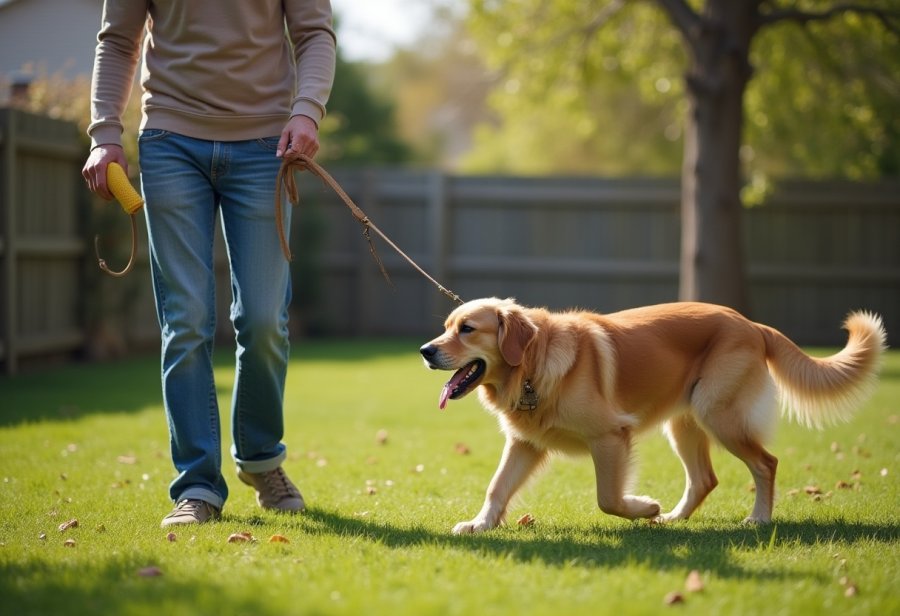
Implementing Calm Walking in Daily Life: Consistency and Real-World Application
Applying calm walking techniques in daily life depends on consistency and mindfulness. Starting each walk with a clear plan sets a positive tone, so use commands like “heel” from the outset and reward your dog whenever they stay close and relaxed. Keeping the leash loose is crucial; tension often leads to pulling and frustration. Gentle guidance paired with immediate praise reinforces good behavior without creating stress. Short, daily sessions help your dog absorb expectations without feeling overwhelmed, and gradually introducing mild distractions builds their focus and resilience.
Incorporating pauses during walks is effective for reinforcing calmness. When your dog shows signs of excitement or distraction, stopping briefly and rewarding their focus sends a clear message: staying relaxed is beneficial. Vary your routes and environments to expose your dog to different sights and sounds at a comfortable pace. This variation helps them understand that peaceful walking applies everywhere, boosting their confidence and trust in your leadership.
Stick to consistent cues and reward patterns to foster predictability. Clear routines reduce confusion and anxiety, making it easier for your dog to remain calm even in unfamiliar settings. Offer plenty of praise when they respond correctly, reinforcing that calm behavior leads to positive outcomes. Patience is essential—if your dog pulls or gets distracted, gently guide them back on track without frustration, celebrating small successes like several steps of focused walking.
Plan your routes to avoid overly stimulating environments initially, and gradually expose your dog to busier areas as their confidence grows. Use focus cues like “look at me” to redirect attention during challenging moments, rewarding calm responses immediately. This gradual exposure develops resilience and self-control, making walks more peaceful in any setting. Over time, consistent practice and reassuring tones help your dog learn that staying calm is always rewarded.
Turning calm walking into a routine transforms training into a natural part of your daily life. Regular practice, gentle reinforcement, and patience reinforce good habits, making these moments a dependable foundation for trust and connection. When setbacks happen, revisit basic exercises and reinforce positive behaviors without frustration. Small, persistent efforts gradually shape lasting calmness and confidence.
Remember, progress varies from dog to dog. Some may take longer to settle, but staying consistent and patient helps reinforce the desired behaviors. Celebrate every small win, like moments of focus or several calm steps, to keep motivation high. Embedding calm walking into your everyday routine ensures it becomes an instinctive, shared experience of trust and harmony, enriching your bond with your dog.
Maintaining Progress: Long-Term Strategies for Calm, Confident Walks
Once your dog has learned to walk calmly at your side, maintaining those good habits requires ongoing attention. Regular, short refresher sessions keep the skills fresh and prevent old behaviors from creeping back in. Even well-trained dogs benefit from occasional reminders, especially when they face new environments or more stimulating situations. Consistency is key to making calm walking a natural part of your routine rather than a temporary achievement.
Reinforcing calmness in different settings builds your dog’s confidence and resilience. In unfamiliar places or during busy outings, continue to praise and reward your dog for staying relaxed. This consistent reinforcement helps them understand that calm behavior always pays off, no matter the environment. Over time, this consistency minimizes reactive tendencies and promotes a steady, peaceful demeanor during walks.
Incorporate calm walking into your daily routines to turn it into a dependable habit. Use familiar cues and reward patterns so your dog knows what’s expected. Routine practice in familiar surroundings creates a solid foundation, making it easier for your dog to stay calm in new or challenging environments. When encountering triggers like other dogs or loud noises, redirect their attention with focus cues and reward calm responses immediately.
External triggers can be unpredictable, but your steady, reassuring tone helps your dog feel safe and under control. Planning routes with fewer distractions initially and gradually increasing exposure allows your dog to develop resilience at a comfortable pace. Patience and gentle persistence are essential, especially when setbacks occur.
Remember, progress isn’t always linear. Some days will be better than others, but consistency and patience are your best tools. Celebrate small victories—such as a few calm steps or focused attention—and recognize that every effort strengthens your bond. These small wins reinforce the idea that calm, confident walks are attainable long-term.
Tracking your dog’s responses over time can provide valuable insights. Keep a simple record of how they handle different situations, what techniques work best, and where challenges remain. This awareness helps you adjust your approach for continued success, ensuring your training evolves with your dog’s needs.
Integrating calm walking into your everyday life makes it a lasting part of your relationship. By staying committed and gentle, you help your dog internalize these behaviors as part of their normal routine. Over time, calmness becomes second nature, transforming walks from a source of stress into a shared experience of trust, joy, and connection.
Advanced Techniques and Troubleshooting: Deepening Control and Overcoming Challenges
Building on the basics of calm walking, advanced techniques help deepen your dog’s self-control and address stubborn behaviors. One effective method is using variable reinforcement schedules, where rewards are given intermittently rather than every time, which keeps your dog attentive and engaged even amidst distractions. This approach makes calmness and focus more durable, ensuring your dog understands that good behavior is always worth it, not just during training sessions.
Long-line training offers additional benefits by giving your dog more freedom to explore while maintaining gentle control. It encourages impulse control at greater distances, helping your dog learn patience and restraint when they’re curious or tempted to pull. Desensitization and counter-conditioning are also powerful tools for dogs that react strongly to other dogs, people, or loud noises. Gradually exposing them to triggers in controlled settings reduces reactivity over time and builds confidence.
When persistent issues arise, revisiting foundational exercises is often the best approach. If pulling or lunging continues, returning to short, calm sessions in low-stimulation environments rebuilds your dog’s confidence and focus. Tools like head halters or no-pull harnesses can provide better control without discomfort, especially when paired with positive reinforcement to foster trust. Consistency remains key—pairing these tools with gentle guidance helps your dog learn appropriate responses.
Addressing individual triggers and temperament is crucial. Some dogs need more gradual exposure or different rewards to stay motivated. If setbacks happen, don’t get discouraged. Patience and persistence are essential, and seeking advice from trainers or behaviorists can provide tailored strategies that target specific challenges.
These advanced techniques and troubleshooting strategies are designed to equip you with the tools needed to handle complex behaviors. They help you create a more resilient, confident dog and a peaceful walking routine. By continuously refining your approach, you’ll foster a deeper bond rooted in trust and understanding, making every walk a positive, shared experience.
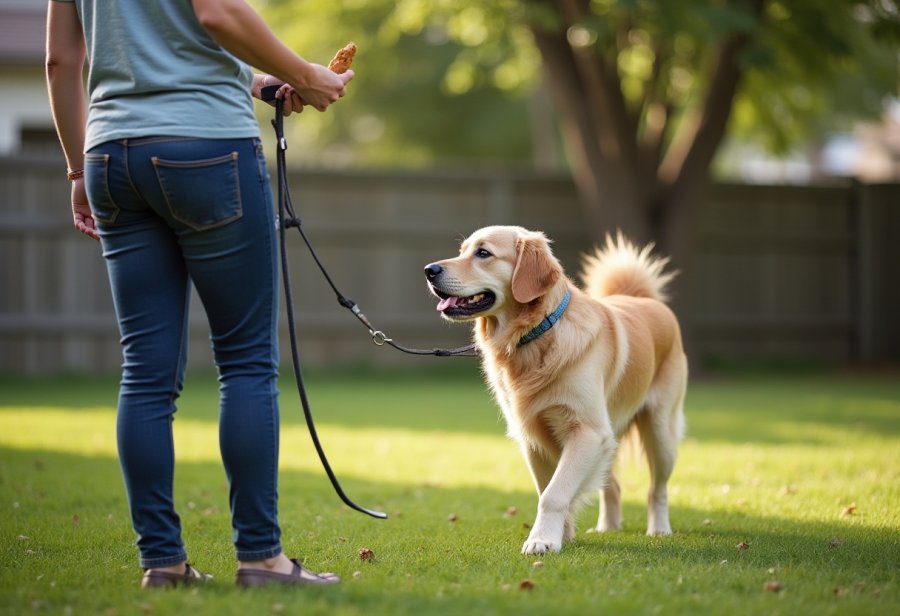
Risks and Mitigation Strategies: Preventing and Addressing Common Walking Challenges
Training your dog to walk calmly can present some challenges, but being aware of common issues helps you tackle them effectively. Leash reactivity is a frequent problem—dogs that lunge, bark, or pull when they see other dogs or people. Managing this requires patience and gradual exposure, starting in controlled environments and slowly introducing more stimuli as your dog gains confidence. Consistent cues and positive reinforcement are crucial for teaching your dog appropriate responses and building trust.
Distractions like loud noises or busy streets can also throw your dog off balance, leading to pulling or anxiety. To prevent this, begin training in quieter areas and gradually work up to busier settings. Using gentle guidance and immediate rewards for focus helps your dog associate new sights and sounds with positive experiences. Over time, this builds their resilience, making walks more peaceful despite environmental stimuli.
Inconsistent training can cause confusion, making it harder for your dog to learn calm, reliable behaviors. Stick to clear commands and reward patterns to reinforce expectations. Regularly practicing in familiar environments and maintaining a steady routine helps your dog understand what you want. Patience is vital—if setbacks happen, guide your dog back calmly and celebrate small successes to keep motivation high.
Harsh corrections or punitive measures can damage trust and escalate stress. Instead, focus on gentle guidance paired with positive reinforcement. This approach fosters a secure, cooperative relationship, encouraging your dog to respond calmly without fear or frustration. Consistently gentle handling turns training into a bonding experience rather than a battle.
External triggers like other animals or sudden loud noises can be unpredictable. Planning your routes to avoid overwhelming situations initially, then gradually introducing exposure, helps your dog develop confidence and self-control. Using focus cues like “look at me” and rewarding calm responses reinforce that staying composed is always rewarding, no matter the environment. With patience and persistence, you can address these challenges and ensure every walk remains safe and enjoyable for both of you.