Imagine transforming your business communication into a flexible, powerful tool tailored precisely to your needs. How can innovative solutions from Grandstream revolutionize network efficiency and ease deployment? Modern telephony now extends beyond basic voice calls, offering high-definition audio, video conferencing, and seamless integration with customer management systems—all customizable to fit your unique workflows. Grandstream’s IP phones, especially the versatile GRP series, exemplify this shift, with features like cloud-based management and zero-touch provisioning that streamline large-scale deployment and remote oversight. As security protocols like SRTP and TLS safeguard conversations, businesses gain confidence in their digital communications. Yet, amidst rapid technological advances, the challenge remains: how can organizations harness these innovations to stay agile, scale effortlessly, and deliver superior customer experiences? This evolution from traditional systems to tailored, cloud-managed solutions isn’t just a trend—it’s a strategic imperative for thriving in today’s digital landscape.
Transform Your Business Communication with Customizable Telephony Solutions
In today’s fast-paced business world, clear and reliable communication isn’t just a perk—it’s a vital part of staying competitive. Companies need systems that are flexible enough to adapt to their unique workflows, ensuring everyone stays connected without hassle or delay. That’s where customizable telephony solutions come into play, transforming traditional voice systems into powerful tools tailored to specific business needs.
Rather than settling for one-size-fits-all setups, organizations can craft communication networks that fit perfectly with their operations. Whether it’s optimizing call routing for different departments, integrating seamlessly with customer management tools, or personalizing voicemail options, customization puts control back into your hands. This level of flexibility helps streamline daily tasks, reduce miscommunication, and improve overall responsiveness.
Modern telephony isn’t just about making calls anymore; it’s about creating a unified, efficient communication environment. Digital solutions leverage internet protocols to deliver features like high-definition voice, video conferencing, and real-time analytics. When these features are customized to suit your organization’s specific requirements, they become more than just bells and whistles—they turn into strategic assets that drive productivity and enhance customer experiences.
Technology has shifted the landscape from traditional landlines to sophisticated, cloud-managed systems that can be tailored on the fly. Companies now have the ability to design their communication infrastructure to scale easily, supporting growth without the need for costly hardware upgrades or complex reconfigurations. This agility is essential in today’s digital economy, where rapid adaptation can make the difference between leading and lagging behind.
Personalized telephony solutions also play a crucial role in remote work and digital collaboration. Employees across different locations and roles need tools that are not only dependable but also specifically suited to their tasks. For example, sales teams benefit from integrations with CRM platforms, while support centers require advanced call routing. Customization ensures each team has the right tools, enabling faster decision-making, better service, and higher satisfaction.
As businesses increasingly adopt cloud-based platforms, deployment becomes faster and more manageable. Centralized control panels allow IT teams to configure, update, and troubleshoot systems remotely, reducing downtime and operational costs. This flexibility supports rapid scaling—adding new users or locations can be as simple as a few clicks—making growth smoother and less disruptive.
The shift toward personalized telephony isn’t just a trend; it’s a strategic move toward smarter business communication. Companies that leverage tailored solutions can respond faster to market changes, improve internal workflows, and deliver superior customer service. The power to customize each element of your telephony system turns it into a flexible, reliable backbone for your entire organization.
In essence, embracing customizable telephony solutions means transforming communication from a basic necessity into a competitive advantage. It’s about building a system that works for you—not the other way around. As technology continues to evolve, those who harness the full potential of flexible, personalized communication tools will be best positioned to thrive in a digitally driven world.

Tracing the Evolution of Telephony: From Copper Wires to Digital Networks
Modern telephony systems have come a long way since their inception in the late 19th century, when Alexander Graham Bell first demonstrated the practical telephone. Back then, communication relied on analog signals transmitted through copper wires, allowing people to speak across distances for the first time. These early setups were simple yet reliable, laying the foundation for today’s sophisticated voice networks.
As technology advanced, the introduction of switching systems in the mid-20th century marked a significant leap forward. These systems made it possible to connect calls more efficiently and introduced features like call forwarding, voicemail, and conference calling. Moving into the digital age, the shift from analog to digital signals improved clarity, security, and functionality, transforming traditional telephony into a versatile communication tool.
The real game-changer arrived with Voice over Internet Protocol, or VoIP. Unlike traditional landlines, VoIP converts voice into digital packets that travel over the internet, drastically reducing costs and enabling a host of customizable features. High-definition audio, video conferencing, and seamless CRM integrations are now standard, making VoIP essential for modern businesses seeking flexible and scalable communication solutions.
At the core of today’s telephony are key components working together seamlessly. IP phones, servers, and network infrastructure form the backbone of these systems. Voice signals are compressed and decompressed using codecs, ensuring high-quality audio even over bandwidth-limited networks. Signaling protocols like Session Initiation Protocol (SIP) manage call setup, control, and termination, acting as the language that enables devices to connect smoothly and reliably.
Security has become a vital aspect of contemporary telephony. Protocols such as Secure Real-time Transport Protocol (SRTP) and Transport Layer Security (TLS) encrypt voice and signaling data, safeguarding conversations from eavesdropping and tampering. As systems become more interconnected, maintaining privacy and compliance is crucial, and these protocols ensure communication remains private even within complex network environments. This evolution from traditional landlines to digital, IP-based systems has empowered organizations with unprecedented flexibility, scalability, and security, paving the way for smarter, more integrated business communications.
Leading the Way: Innovations and Trends Reshaping Telephony Today
The telephony landscape is evolving at a rapid pace, driven by innovative device features and smarter deployment strategies that empower businesses to stay competitive. Modern IP phones, like the latest models from Grandstream, come equipped with high-resolution screens, touch interfaces, and integrated functionalities such as video calling and app support. These advancements make communication more engaging and intuitive, helping teams connect more effectively across diverse locations. Cloud-based management solutions are also becoming the standard, allowing organizations to configure, deploy, and monitor their entire telephony infrastructure remotely. This approach simplifies setup, reduces the need for on-site technical support, and enables quick adjustments as business needs change.
Devices such as the Grandstream GRP series exemplify how streamlined deployment can be achieved on a large scale. Features like zero-touch provisioning allow new phones to be shipped directly to different sites and automatically configured once connected to the network. This eliminates the hassle of manual setup, ensuring consistency and saving valuable time during rollouts. Centralized management platforms, such as GDMS, give IT teams full control over hundreds or thousands of devices from a single interface—making device updates, troubleshooting, and monitoring straightforward and efficient. As a result, scaling the communication system to match business growth becomes seamless, with minimal disruption.
Network optimization features are increasingly integrated into modern devices, supporting high-quality, reliable calls even during peak usage. Advanced traffic management prioritizes voice data to prevent latency and maintain clarity, while built-in diagnostics and real-time monitoring tools give IT teams proactive visibility into system health. Encryption protocols like SRTP and TLS are standard, ensuring conversations stay private and protected against eavesdropping or tampering. These security measures are vital as telephony systems become more interconnected and sensitive information flows across networks, maintaining both compliance and confidentiality.
The shift toward cloud-managed telephony has revolutionized deployment and expansion, making scaling effortless. With centralized dashboards, organizations can easily add new users or locations, configure devices, push software updates, and troubleshoot remotely—all without extensive on-site support. This flexibility enables businesses to respond swiftly to market demands, whether expanding into new regions or adjusting for remote workforce needs. Hardware innovation also supports hybrid setups, combining softphones, mobile apps, and traditional IP phones, allowing tailored communication solutions that suit different roles while maintaining a cohesive management structure.
Keeping pace with these technological trends isn’t just about staying current; it’s about gaining a strategic edge. Companies leveraging advanced devices, cloud management, and network optimization tools can respond faster to market shifts, improve internal workflows, and deliver superior customer experiences. As the telephony environment continues to evolve, those who adopt these innovations will be better positioned to adapt, scale, and thrive in an increasingly connected, digital world.

Grandstream’s Cutting-Edge Devices and Solutions for Scalable, Custom Communication
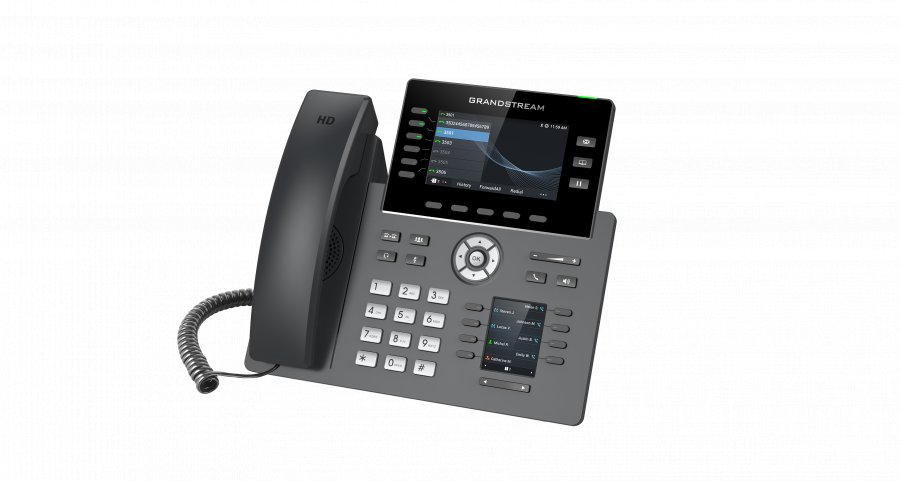
Grandstream distinguishes itself in the telephony market with a versatile range of devices tailored to meet the diverse needs of modern businesses. Their IP phones, especially the popular GRP series, combine reliability with scalability, making them suitable for both small teams and large call centers. These phones boast high-resolution color displays, programmable keys, and support for high-definition audio and video calls, all wrapped in intuitive interfaces that simplify daily communication. This user-centric design ensures quick adoption and minimal training, helping organizations deploy new systems smoothly.
A key strength of Grandstream’s solutions lies in their high degree of customization. Businesses can tailor call routing, security protocols, and user profiles to align perfectly with their operational workflows. Whether integrating phones with existing CRM platforms or configuring different access levels for various departments, these devices adapt seamlessly. This flexibility not only enhances productivity but also creates a unified communication environment, where every device functions harmoniously within the broader network.
Centralized management further amplifies the deployment and maintenance advantages. Grandstream’s Device Management System (GDMS) offers a cloud-based platform that enables IT teams to configure, provision, and monitor hundreds or thousands of devices remotely. This centralized control simplifies large-scale rollouts, ensures consistency across locations, and reduces manual setup time. With remote troubleshooting and updates, operational costs decrease while system uptime improves, especially for organizations with multiple sites.
Zero-touch provisioning exemplifies how Grandstream’s devices support quick and effortless deployment. New phones can be shipped directly to various locations and automatically configured once connected to the network. This eliminates the need for on-site technical support during installation, ensuring fast, uniform setups across all sites. As a result, scaling communication infrastructure becomes a straightforward process, supporting growth without complexity or delays.
Security remains a top priority for Grandstream. Their devices incorporate encryption protocols such as SRTP and TLS, safeguarding conversations from eavesdropping and tampering. This focus on security is vital in today’s digital landscape, where sensitive information often travels over voice calls. By embedding these protections into both hardware and management platforms, Grandstream ensures that organizations can maintain confidentiality and compliance without sacrificing ease of use.
Beyond hardware, Grandstream offers comprehensive cloud management options. These platforms allow remote configuration, updates, and troubleshooting, enabling IT teams to respond swiftly to operational changes. Whether adding new users, updating features, or troubleshooting issues, managing a large deployment becomes efficient and less disruptive. This flexible approach supports rapid expansion, minimizes downtime, and ensures consistent user experiences across all locations, making Grandstream solutions a reliable backbone for scalable, customized business communication.